Kansas City's seasons each demand something different from your trees. Here's how to stay ahead of the damage instead of cleaning it up.

Most people don’t call a tree service until something forces their hand. A limb comes down in the wind. A branch scrapes the roof every time it storms. A neighbor says something. It’s not a criticism; life is busy, and trees are easy to put off. But in Kansas City, where severe weather rolls through 40 to 60 days a year and certain tree species can be destroyed by a single ill-timed cut, “I’ll deal with it later” has a way of becoming expensive. This guide is about getting ahead of that. Knowing when to trim, why it matters here specifically, and what to watch for before the next storm season arrives.
The honest answer is that it depends on what kind of tree you have, and that answer matters a lot more in Kansas City than most homeowners realize. As a general rule, late winter is the best window for most species. When trees are dormant, their structure is fully visible, disease transmission risk drops significantly, and they’re primed to heal quickly once spring growth kicks in. For most Kansas City yards, that means scheduling your trim somewhere in February or early March, before the buds break.
That said, dead, damaged, or hazardous branches are a different story. Those should come down immediately, regardless of the season. If a limb is hanging over your roof or your car, waiting for the “right” month isn’t a strategy; it’s a gamble.
If you have oak trees (and in Kansas City, most people do), this is the most important thing you’ll read today. Oak wilt is a fungal disease that spreads through fresh pruning wounds when temperatures are above 50°F. Sap-feeding beetles carry the fungus from infected trees to healthy ones, and they’re most active in spring and early summer, exactly when a lot of homeowners decide it’s finally time to get out there and do some yard work.
Red oaks are especially vulnerable. A red oak infected with oak wilt can die within weeks. Not months. Weeks. And once it’s gone, you’re looking at stump grinding, removal, and eventually replanting, a far more involved and costly process than a properly timed trim would have been.
The safe window for oak trimming in Kansas City is December through February, when temperatures are consistently below 50°F and the beetles aren’t active. This is non-negotiable from an arborist’s standpoint. We’ve seen homeowners do everything right (hire a reputable crew, get a fair price, schedule the work) and still lose a tree because it was trimmed in April instead of January.
If you’re not sure if your oaks have been trimmed recently or if they’re showing early signs of stress, a professional assessment before spring arrives is worth every penny. Kansas City’s mature oak canopy, especially in older neighborhoods like Brookside, Hyde Park, and the Country Club District, represents decades of growth. That’s not something you want to risk on a timing mistake.
Oak wilt gets most of the attention, but Kansas City’s tree population faces a few other serious threats that are worth understanding before you schedule any trimming work.
Ash trees are in a particularly difficult spot right now. Emerald ash borer was confirmed in Johnson County back in 2013, and it has been steadily working through the metro ever since. The dangerous thing about emerald ash borer is that an ash tree can look perfectly healthy on the outside while being structurally hollow on the inside. A tree like that becomes a significant hazard in a storm, and Kansas City gets plenty of those. If you have ash trees on your property and haven’t had them assessed recently, that’s worth prioritizing before trimming decisions are made.
Silver maples are another common sight in Kansas City yards, and they come with their own set of concerns. They’re fast-growing, which homeowners tend to like, but that fast growth comes with brittle wood that’s prone to splitting in high winds. Regular trimming to reduce crown weight and remove weak branch unions makes a real difference in how a silver maple holds up during a derecho or a heavy ice storm.
Bradford pears (popular in newer Kansas City developments) have a structural problem baked into their growth pattern. Their branches tend to grow at narrow angles that make them prone to splitting right at the trunk as the tree matures. Trimming when they’re younger can help correct some of that, but older Bradford pears often reach a point where removal makes more sense than continued maintenance.
The broader point is this: tree trimming in Kansas City isn’t a one-size-fits-all job. The species in your yard, the soil conditions, the storm exposure, and the age of your trees all factor into what kind of care makes sense and when.
Want live answers?
Connect with a Squirrel Tree Service expert for fast, friendly support.
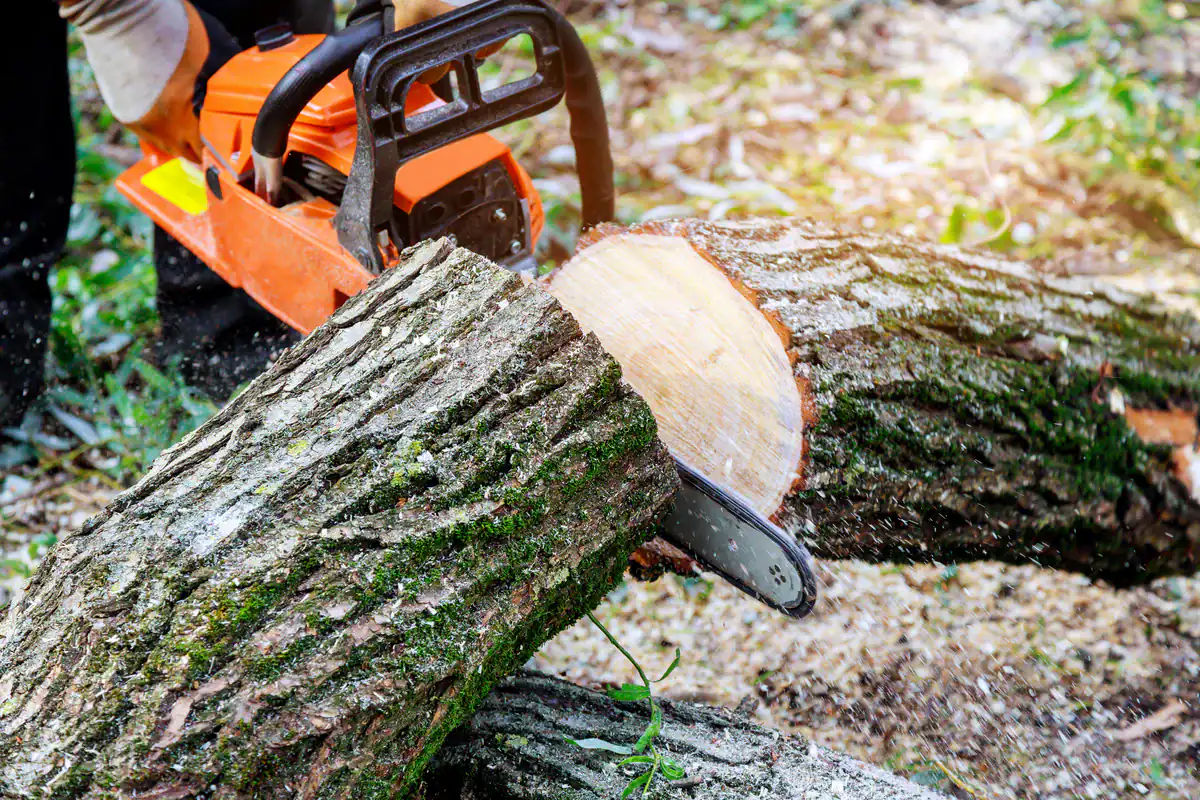
There’s a lot of variation in how tree trimming gets done, and not all of it is obvious from the outside. A reputable crew isn’t just cutting branches; we’re making decisions about where to cut, how much to remove, and what the tree’s structure will look like in two or three years as a result of those cuts.
The industry standard is to never remove more than 25% of a tree’s live foliage in a single trimming. Going beyond that stresses the tree and can trigger rapid, weak regrowth that creates new problems down the line. A good trimming leaves the tree looking natural, not hacked. If a crew finishes a job and the tree looks like it was attacked rather than maintained, that’s a red flag.
People use these terms interchangeably, and in casual conversation that’s fine. But technically, they describe slightly different types of work.
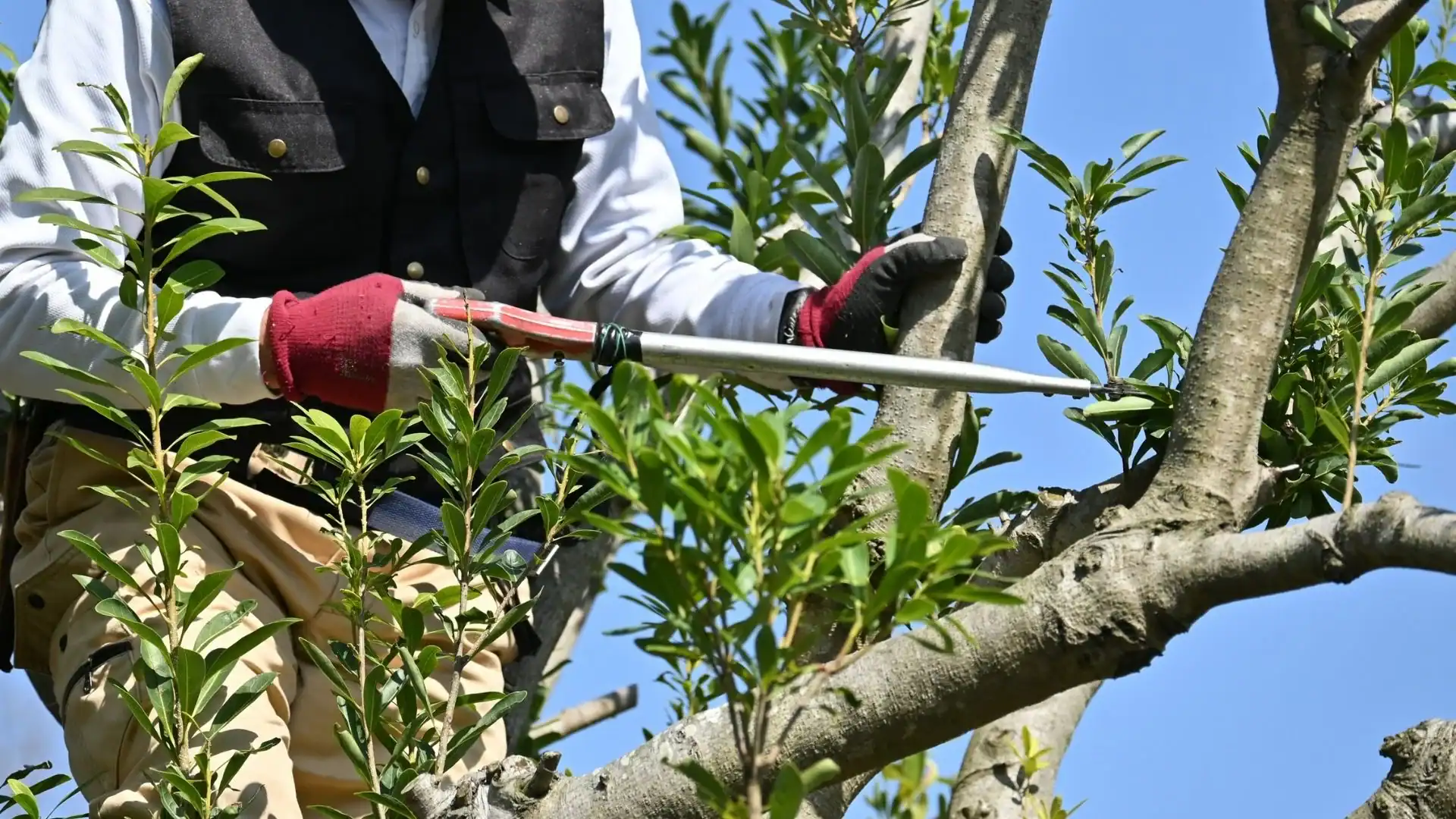
Trimming is generally about managing growth: shaping a tree, keeping it from overhanging a structure, controlling its size and spread. It’s the maintenance side of tree care, the kind of work you schedule every one to three years to keep things in order. Slower-growing species like oaks and hickories can sometimes go four to five years between trimmings, while fast-growing trees like silver maples may need attention more frequently.
Pruning is more targeted. It’s the selective removal of dead, diseased, or structurally compromised branches; this is the kind of work that’s less about aesthetics and more about the long-term health and safety of the tree. Pruning is also what you do after a storm takes out a major limb, when you need to clean up the wound and assess what’s left.
In practice, we do both at once when we come out to trim a tree. We’re also looking for dead wood, signs of disease, structural weaknesses, and anything that might become a problem in the next storm season. It’s not two separate jobs; it’s one thorough assessment.
The reason this distinction matters for Kansas City homeowners is timing. Aesthetic trimming has seasonal windows that vary by species. Pruning for safety (removing a dead branch, cleaning up storm damage) doesn’t wait for the calendar. If a branch is a hazard, it needs to come down now.
This is one of the most common questions we hear, and it’s a fair one. The honest answer is that not every tree that looks rough needs to come down. Sometimes a strategic trim resolves the issue: clearing dead wood, reducing weight on a compromised branch, and improving the tree’s structure so it’s better equipped to handle wind and ice.
That said, there are situations where removal is the right call. A tree that’s more than 50% dead or diseased is generally past the point where trimming provides meaningful benefit. A tree that’s leaning toward a structure after a storm, or one that’s lost major root support due to soil erosion or construction damage, may be too compromised to save safely. Ash trees that have been hollowed out by emerald ash borer fall into this category more often than not; what looks like a living tree from the outside may have almost no structural integrity left.
Kansas City’s heavy clay soils add another layer of risk. When those soils become saturated during heavy spring rains, which are common here from March through June, trees that were already structurally marginal can uproot with very little warning. That’s not a reason to panic, but it is a reason to have a professional eye on trees that are leaning, have surface root damage, or are located close to your home.
The approach we take is straightforward: we look at what’s going on with the tree before recommending anything. If trimming solves the problem, that’s what we’ll tell you. If removal is necessary, we’ll explain why in plain terms. The goal is for you to understand what you’re dealing with and make a decision that makes sense for your property, not to sell you the most expensive option.
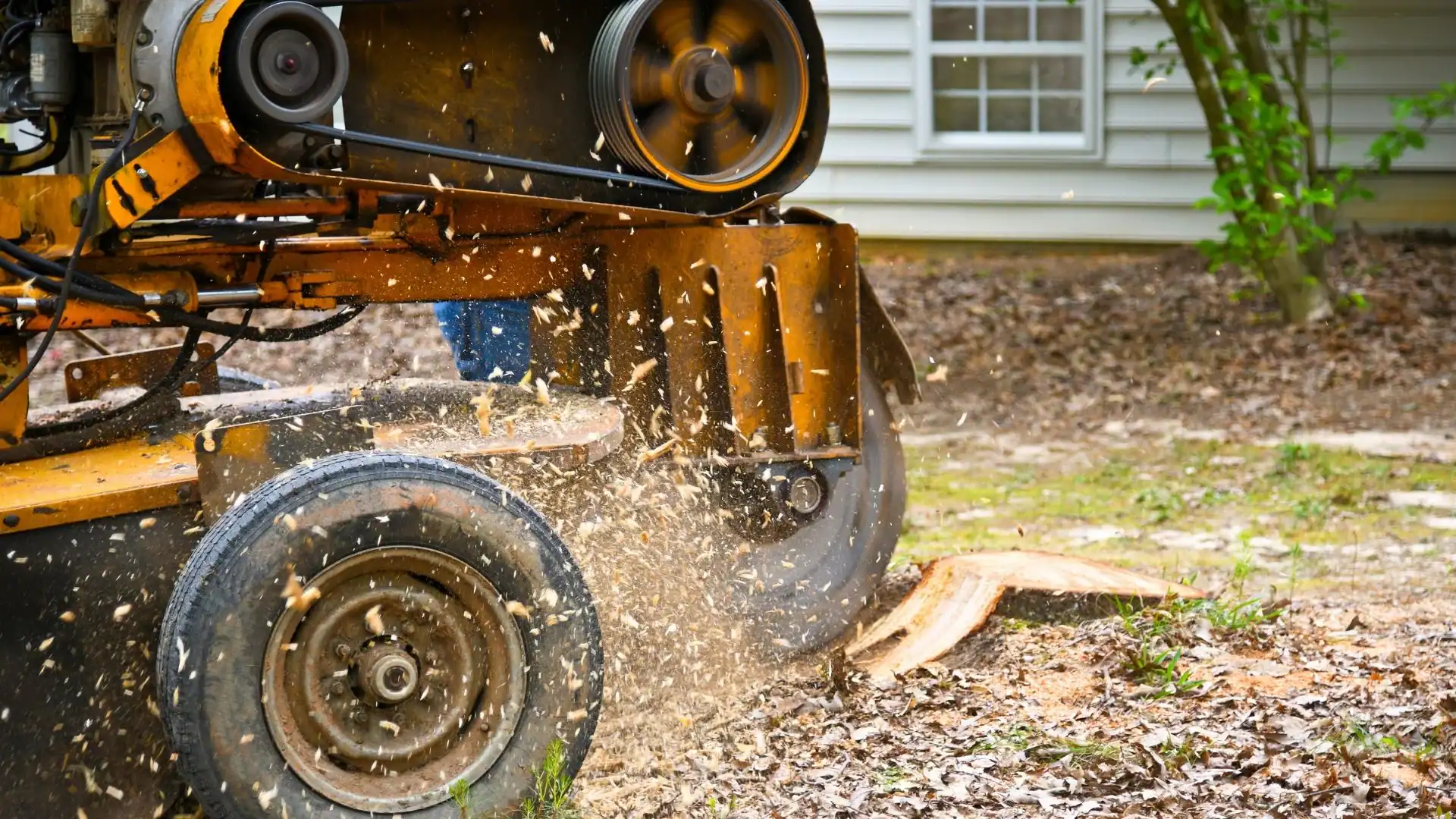
After removal, stump grinding is usually the next step. A leftover stump isn’t just an eyesore; it can become a tripping hazard, attract pests, and interfere with replanting or lawn care. Grinding it down below grade clears the way for whatever comes next, whether that’s new grass, a new tree, or land clearing for a different use entirely.
The right time to think about your trees is before something forces you to. Kansas City’s storm season doesn’t give much warning, and the window for safe oak trimming closes every spring, ready or not. A little attention in late winter goes a long way toward avoiding the kind of emergency that costs significantly more (in money, in stress, and sometimes in a tree you can’t get back).
When you’re choosing a tree service, look for one that’s licensed and insured, gives you a free estimate without pressure, and is willing to tell you when trimming is enough rather than pushing straight to removal. Cleanup should be included, not negotiated. And if you have oaks, make sure whoever you hire knows the local disease risk and respects the trimming calendar.
We’ve been doing this work in Kansas City for over a decade, with a crew that lives here, knows these trees, and takes the cleanup as seriously as the cut. If your trees are overdue for a look, reach out; most quotes are same-day, and there’s never any obligation.
Summary:
Article details:
Share: