Kansas City, KS & MO's spring weather doesn't give you much warning. Get your trees properly pruned before the wind makes that decision for you free same-day quotes, full cleanup included.
We've managed over 1,200 problem trees across the Kansas City, KS & MO metro with a 100% safety record no exceptions, no close calls.
A decade of hands-on tree work across both sides of the state line means we know this area's trees and what they need.
Every job is covered. You're protected from liability the moment we step onto your property — no gray areas, no shortcuts.
Most quotes are given the same day you call. No waiting around, no pressure just a straight answer and a fair price.
Not All Pruning Is the Same Ours Actually Helps Your Trees
Tree pruning isn't just about cutting branches back until they're out of the way. Done right, it's one of the most important things you can do for a tree's long-term health, structure, and safety. Done wrong and it happens more often than you'd think it can weaken a tree, invite disease, or leave it looking worse than before you started. We approach every pruning job by looking at what the tree actually needs. That might mean selectively thinning the interior canopy to improve airflow and let more light through. It might mean removing dead or dying limbs before they become a hazard. Or it might mean shaping a young tree early so it develops a strong structure that holds up for decades. The goal is always the same: a healthier tree that's safer for your property.
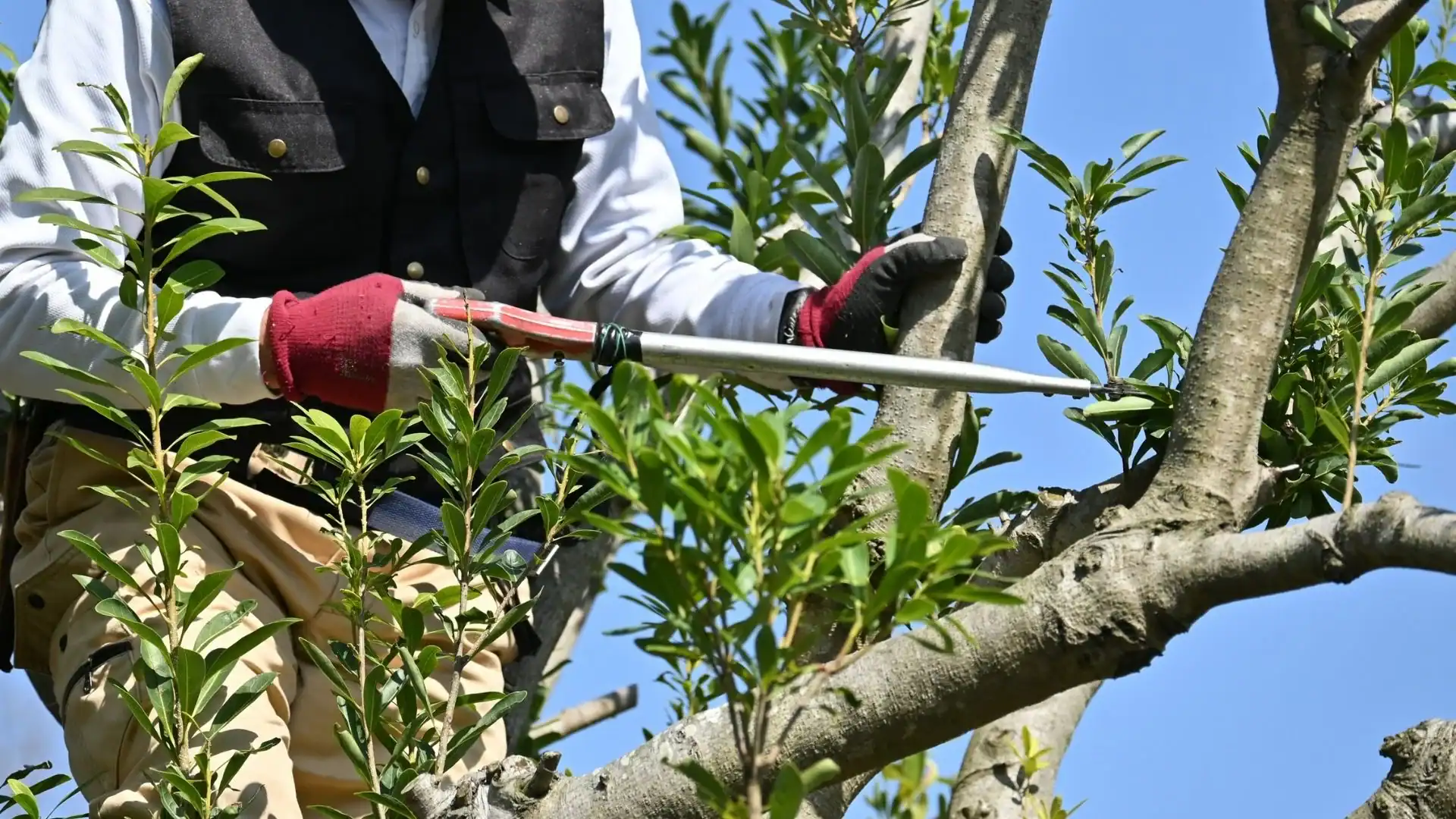

Overhanging limbs that threatened your roof, fence, or driveway are gone — before a storm sends them down on their own.
A thinned canopy lets wind pass through instead of catching it, which significantly reduces the risk of branch failure during Kansas City, KS & MO's severe spring weather.
Dead and diseased branches are removed before they spread problems to the rest of the tree or drop without warning.
Young trees that are pruned early develop stronger structure and need far less corrective work — and expense — down the road.
Well-maintained trees on a landscaped property can increase home value by as much as 6 to 19 percent, according to multiple independent studies.
Your yard is left completely clean when we're done — no piles of brush, no debris, nothing left behind for you to deal with.
Pruning Your Oaks in Spring Could Kill Them
This is one of the most important things Kansas City, KS & MO homeowners need to know, and most people never hear it until something goes wrong. If you have oak trees and a lot of KC neighborhoods do pruning them between April and June dramatically increases the risk of Oak Wilt. That's a serious fungal disease that spreads through picnic beetles, which are most active during those exact months. One fresh pruning cut during that window can be enough to infect a tree that's been standing for decades. The right window for pruning most trees in the Kansas City, KS & MO metro is late winter to early spring roughly January through March before new growth begins. Pruning during dormancy allows trees to heal faster, reduces the chance of disease taking hold, and puts less stress on the tree overall. There are exceptions depending on the species, but that general window holds for most of what we see across Overland Park, Olathe, Lenexa, Leawood, Mission, and Kansas City, KS & MO proper. If you're not sure when your trees should be pruned, that's exactly what our free quote visit is for. We'll take a look, tell you what we see, and give you a straight answer no pressure, no upsell.
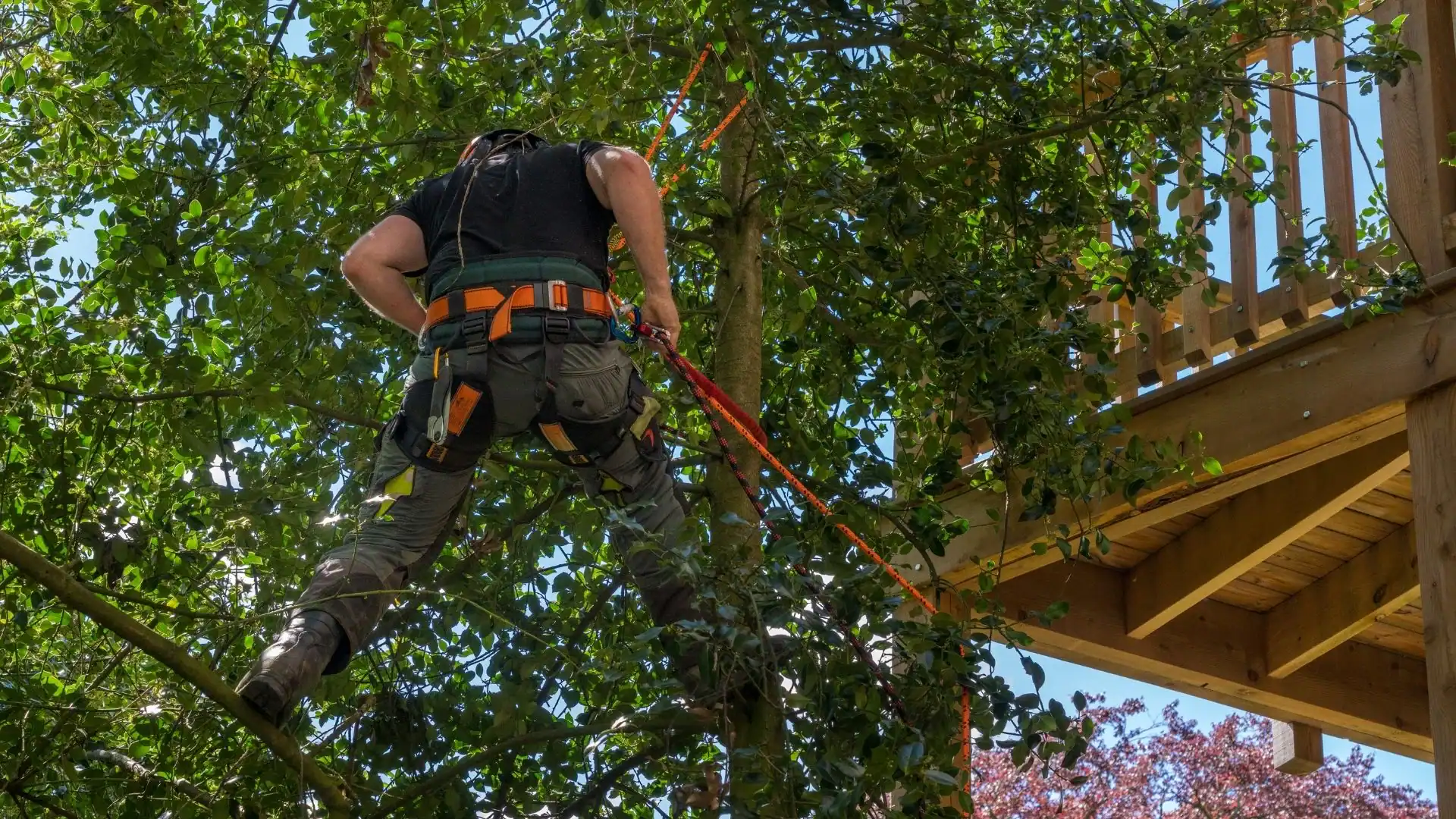
What We Actually Do When We Prune a Tree
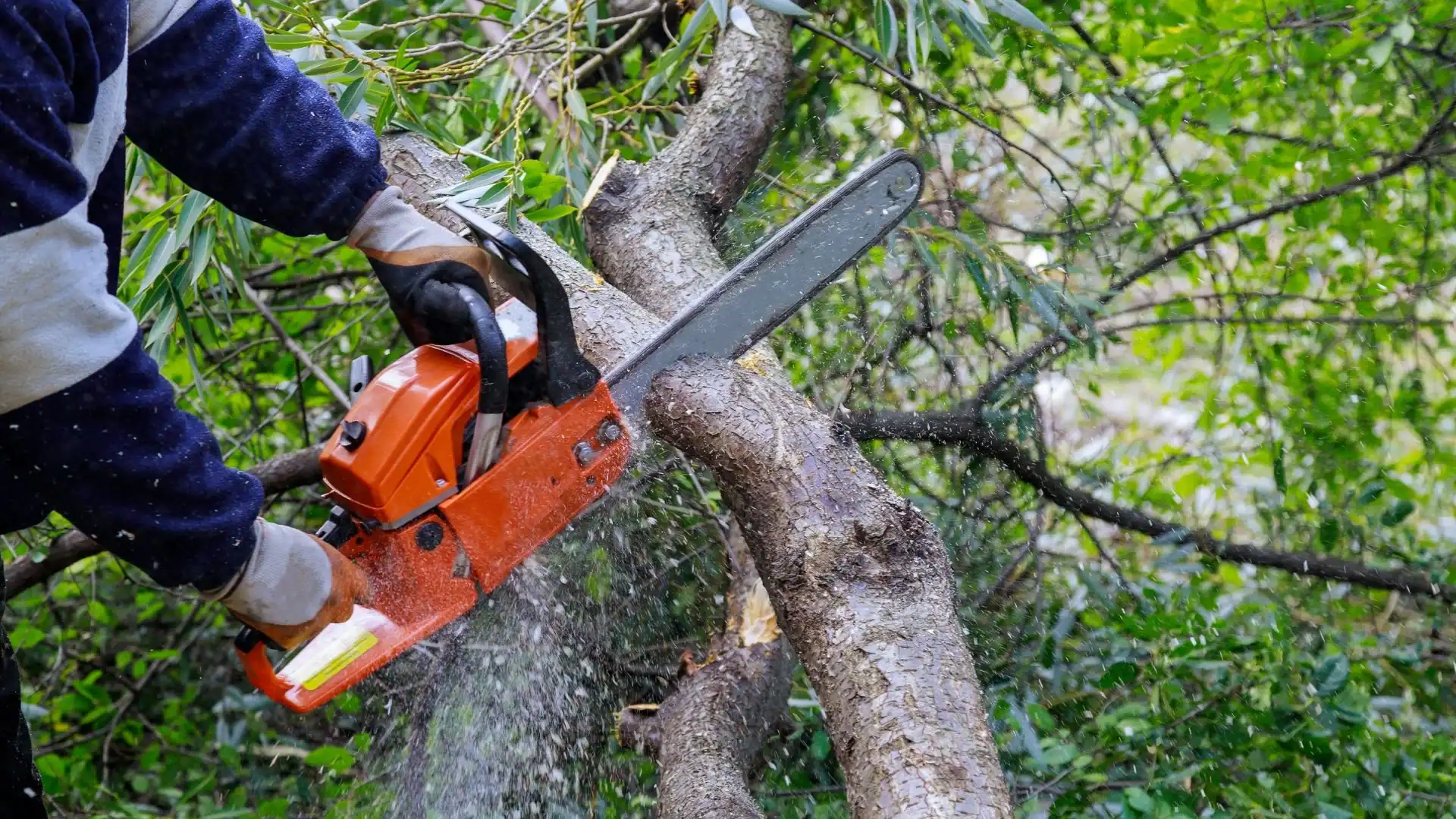
Pruning means different things depending on what a tree needs, and we don't take a one-size-fits-all approach. Crown thinning is one of the most common types of work we do it involves selectively removing branches from the interior of the canopy to improve light penetration and airflow without changing the tree's overall shape. It also reduces wind resistance, which matters a lot in a metro that sees the kind of severe spring weather Kansas City, KS & MO gets. Deadwood removal is exactly what it sounds like: taking out branches that are already dead, dying, or diseased. These aren't just an eyesore they're a liability. A dead branch doesn't give you much warning before it falls. For younger trees, structural pruning is about setting them up right from the start removing competing leaders, correcting crossing branches, and guiding growth so the tree develops a strong, balanced form. Crown reduction, which reduces the overall height or spread of a canopy, is something we use carefully and only when there's a real reason for it. And for fruit trees, annual pruning in late winter keeps production strong and helps prevent the disease issues that come with a crowded, poorly-ventilated canopy. Whatever your trees need, we'll tell you honestly and only do what's actually warranted.
These terms get used interchangeably, but there's a real distinction. Trimming is generally about keeping a tree looking neat managing its shape and size for aesthetic reasons. Pruning goes deeper. It's about the health and structure of the tree: removing dead, diseased, or structurally weak branches, improving airflow through the canopy, reducing hazard risk, and guiding how the tree grows over time. A good pruning job considers the biology of the tree, not just how it looks from the street. When you call us, we assess what the tree actually needs not just what's visually obvious.
For most trees in the Kansas City, KS & MO metro, late winter to early spring roughly January through March is the ideal window. Pruning during dormancy means the tree can put its energy into healing once new growth begins in spring. It also reduces the risk of disease and pest activity taking advantage of fresh cuts. Oak trees in particular should not be pruned between April and June due to the risk of Oak Wilt, a serious disease that spreads through beetles that are most active during those months. This timing applies whether your property is in Overland Park, Leawood, Mission, or anywhere else across the Kansas City, KS & MO metro. If you're not sure about your specific trees, we'll tell you during your free quote visit.
No — and this is a common source of confusion. Topping is the practice of cutting branches back to stubs, often dramatically reducing the height of a tree in one pass. It's not a legitimate pruning method. The International Society of Arboriculture and the USDA both condemn it. Topped trees are left structurally weakened, prone to disease, and often develop dense, fast-growing sprouts from the cut points that create more problems than the original branches did. We don't top trees. If a tree is too large for its space or poses a hazard, there are proper crown reduction techniques that address the issue without causing long-term harm and we'll walk you through what makes sense for your situation.
The general industry standard established by the ANSI A300 guidelines that govern professional tree care — is that no more than 25 percent of a tree's live crown should be removed in a single pruning session. Removing more than that puts significant stress on the tree and can impair its ability to recover. In some cases, particularly with mature trees that haven't been maintained in a long time, the right approach is to spread corrective work across multiple seasons rather than trying to fix everything at once. We follow these standards on every job not because we're required to, but because it's what actually keeps your trees healthy long-term.
Yes, and the difference matters. Fruit trees benefit from annual pruning in late winter, before bud break, to maximize production and keep the canopy open enough for air to circulate which reduces disease pressure significantly. The goal is a productive, manageable tree, not just a tidy one. Young trees are a different situation entirely. Structural pruning early in a tree's life — removing competing leaders, correcting crossing branches, establishing a strong central structure is one of the best investments a homeowner can make. A tree that's pruned correctly when it's young requires far less intervention as it matures, and it's far less likely to develop the structural failures that cause problems during Kansas City, KS & MO's severe storm seasons.
Full cleanup is included with every job no exceptions, no add-on fees. When our crew finishes, we clear everything: cut branches, debris, wood chips, anything that came down during the work. We leave your yard clean and safe. This is something our customers mention consistently in their reviews, and it's something we take seriously. We know what it's like to have a contractor finish a job and leave a mess for you to deal with. That's not how we operate. When we're done, your property should look better than it did when we showed up not just in the trees, but on the ground too.