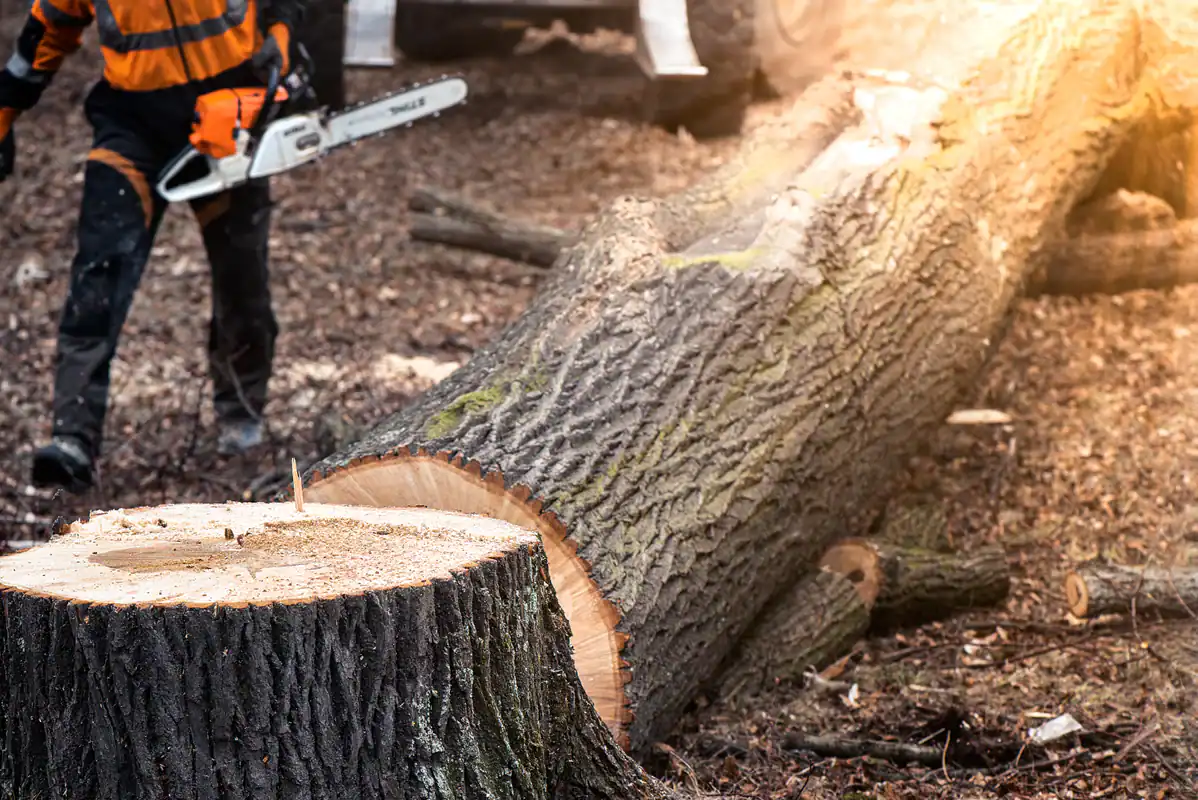
Land clearing is more involved than most people expect. Here's a plain-language walkthrough of the full process, from the first site visit to handing off a genuinely ready piece of ground.
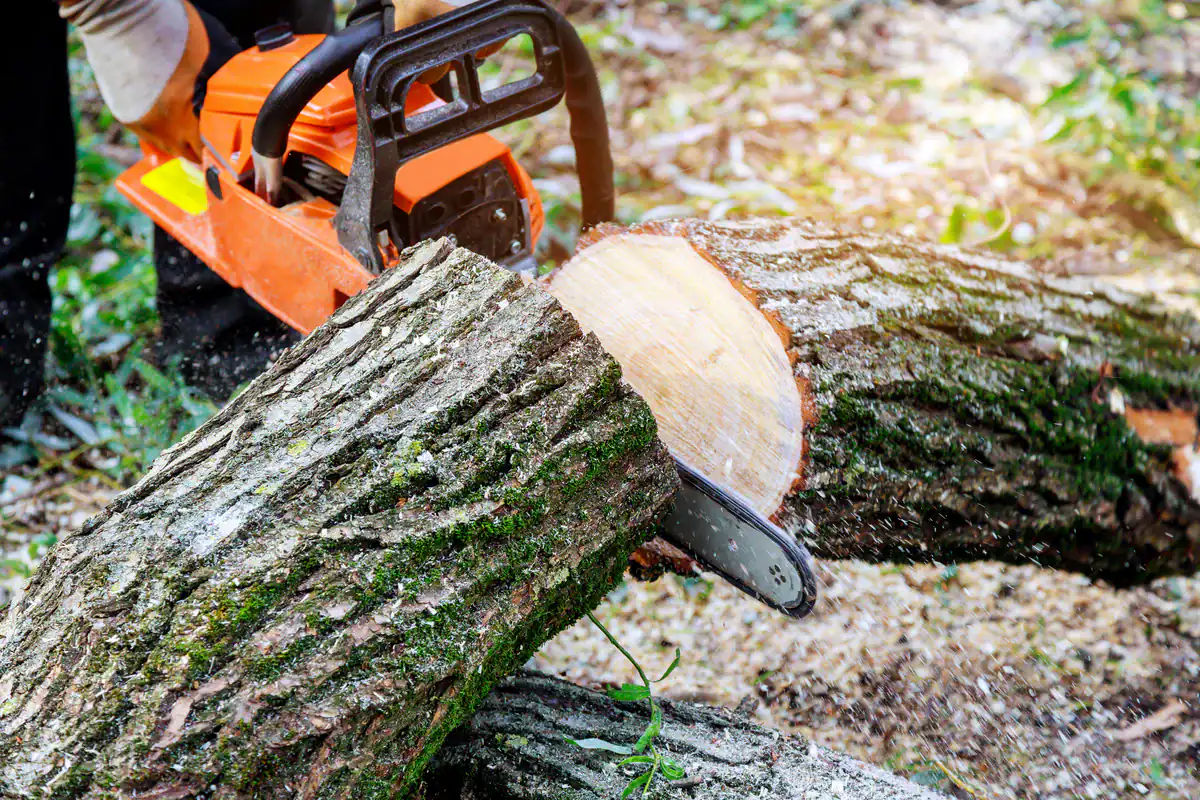
Most people who need land clearing have never hired a land clearing company before. They’ve got a raw lot in Lee’s Summit, an overgrown property in Grain Valley, or a stretch of land out in Cass County that needs to be cleaned up before anything else can happen — and they’re not sure where to start. What does the process actually look like? How long does it take? What happens to all the brush? Do you need a permit? These are the right questions to be asking, and this page answers all of them in plain language so you know exactly what to expect before anyone sets foot on your property.
Land clearing isn’t a single task — it’s a sequence of steps, and what happens early in the process directly affects the results at the end. A professional crew doesn’t just show up and start cutting. The job starts before any equipment moves, with a thorough walk of the property to assess what’s there, what needs to come out, and what should stay.
That site evaluation matters more than most people realize. It’s where a qualified crew identifies underground utilities, marks trees worth preserving, flags drainage patterns that could cause problems later, and gets a real picture of the vegetation density — not a guess from a satellite image. It’s also where an honest contractor will tell you what the job actually involves, rather than giving you a low number and adding charges later.
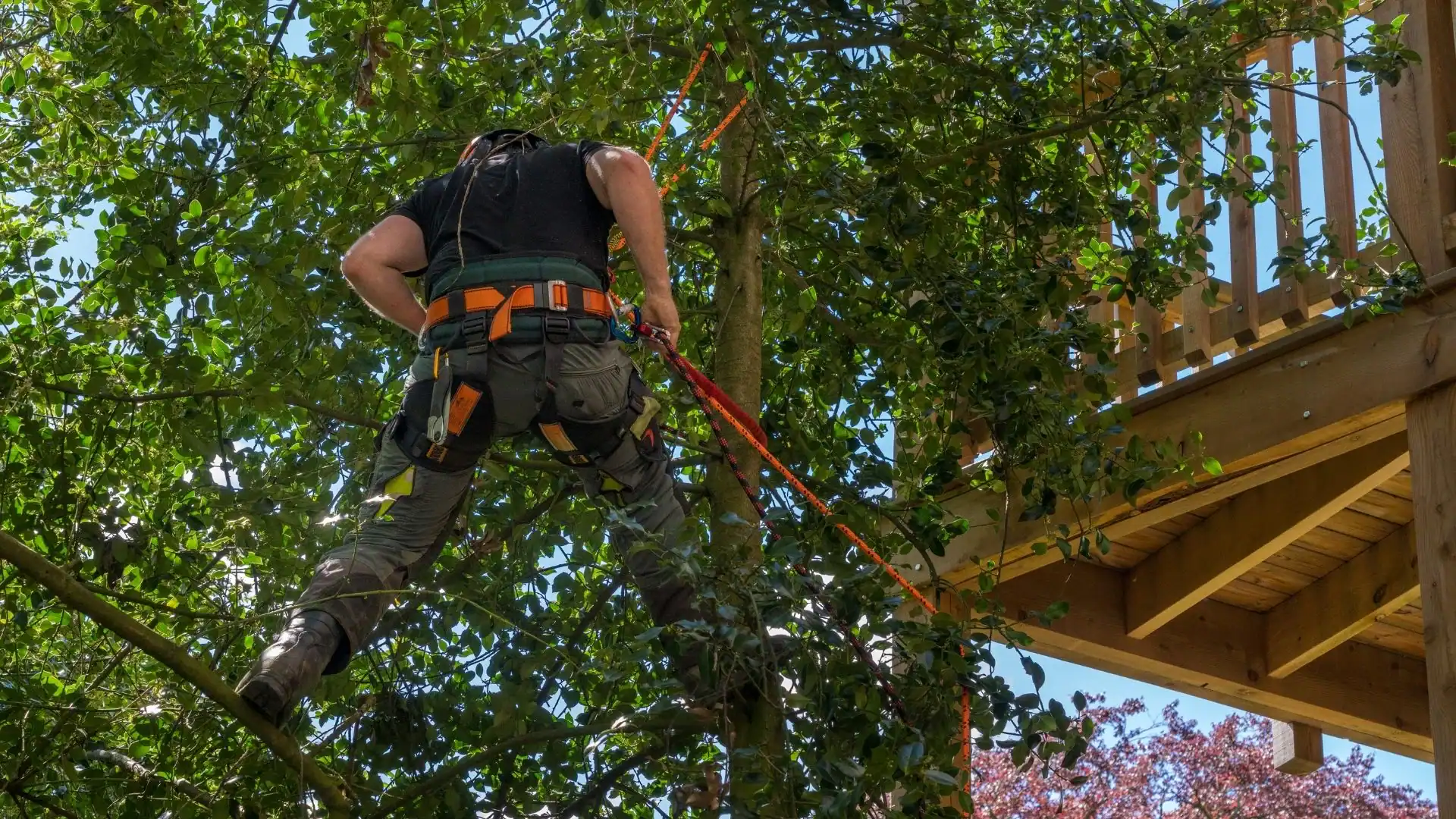
Once the site has been evaluated and the scope of work is agreed on, the actual clearing begins. Depending on the property, this can mean removing mature trees, cutting back dense underbrush, grinding stumps, or clearing invasive species that have taken over — and in the Kansas City, MO area, that often means dealing with eastern red cedar, honeysuckle, and multiflora rose.
These aren’t just nuisance plants. Left unchecked, eastern red cedar in particular spreads aggressively across pastures and open land throughout Missouri and Kansas, and it takes the right equipment and experience to clear it efficiently without tearing up the soil underneath.
The method used for vegetation removal depends on what you’re clearing and what the land is going to be used for afterward. Forestry mulching — where a specialized machine grinds trees and brush directly into mulch and leaves it on the ground — works well for residential lots and rural properties where the goal is to open up space without hauling debris off-site. It’s faster, it suppresses erosion, and it improves soil health by returning organic matter to the ground.
For properties headed toward construction, though, full stump and root removal is usually necessary. A foundation doesn’t care how clean the surface looks — what’s underground matters just as much.
Our background in tree services makes a real difference here. Most land clearing companies in the Kansas City, MO metro come from an excavation or grading background. We come from tree work, which means we understand root systems, tree structure, and how to assess what’s healthy versus what needs to come out. When a property has trees worth keeping — a mature oak near a future building site, a windbreak along a fence line — we know how to work around them without causing damage.
Debris handling is also part of this phase, and it’s worth asking about upfront. In the Kansas City, MO metro, open burning of land clearing debris is heavily restricted — stricter than in outstate Missouri — so burning is rarely a legal option here. The realistic choices are forestry mulching on site, chipping and hauling, or a combination of both. A contractor who doesn’t address this question clearly in their proposal is leaving you with an assumption that could turn into a problem.
This is one of the most common questions we hear, and the honest answer is: it depends on the size of the project, but many people are surprised to find out they do need one. Missouri requires a State Operating Permit from the Department of Natural Resources before vegetation removal begins on any project that will disturb one acre or more of land. That threshold catches a lot of residential lot clearing projects, not just large commercial developments.
If your property is in a larger planned development — even if your individual lot is under an acre — the cumulative disturbance can still trigger the permit requirement.
Proceeding without the permit when one is required isn’t just a paperwork problem. It’s a violation of both state and federal regulations, and it can result in stop-work orders, fines, and delays that cost far more than the permit itself. Part of what you’re paying for when you hire a professional land clearing contractor is the knowledge to navigate this correctly.
The permit process also typically requires a Stormwater Pollution Prevention Plan — a site-specific document that outlines how the project will minimize erosion and runoff during and after clearing. This is especially relevant in Kansas City, MO, where clay-heavy soils in counties like Jackson, Cass, and Johnson are prone to compaction and poor drainage when disturbed by heavy equipment.
A crew that understands local soil conditions and builds erosion control into the job from the start is protecting your investment, not just checking a regulatory box. If you’re clearing land on the Kansas side of the metro, the permit requirements are similar in intent but administered through Kansas agencies rather than Missouri DNR. Either way, a contractor who has worked extensively in the Kansas City, MO metro — on both sides of the state line — will know what applies to your specific property and can walk you through it before the first machine rolls in.
Want live answers?
Connect with a Squirrel Tree Service expert for fast, friendly support.
Here’s something that catches a lot of property owners off guard: a site that looks cleared isn’t always a site that’s ready for what comes next. Visually, the land might look open and clean. But if stumps and root systems are still underground, if drainage hasn’t been addressed, or if the soil has been compacted by heavy equipment without any remediation, you can run into expensive problems the moment construction or farming begins.
What “done” looks like depends entirely on what the land is going to be used for. Clearing for a new home in Raymore is a different job than clearing a pasture in Lafayette County or opening up a backyard in Blue Springs for a major landscaping project. The end use should drive every decision made during the clearing process — from how roots are handled to how the surface is graded when the work is complete.
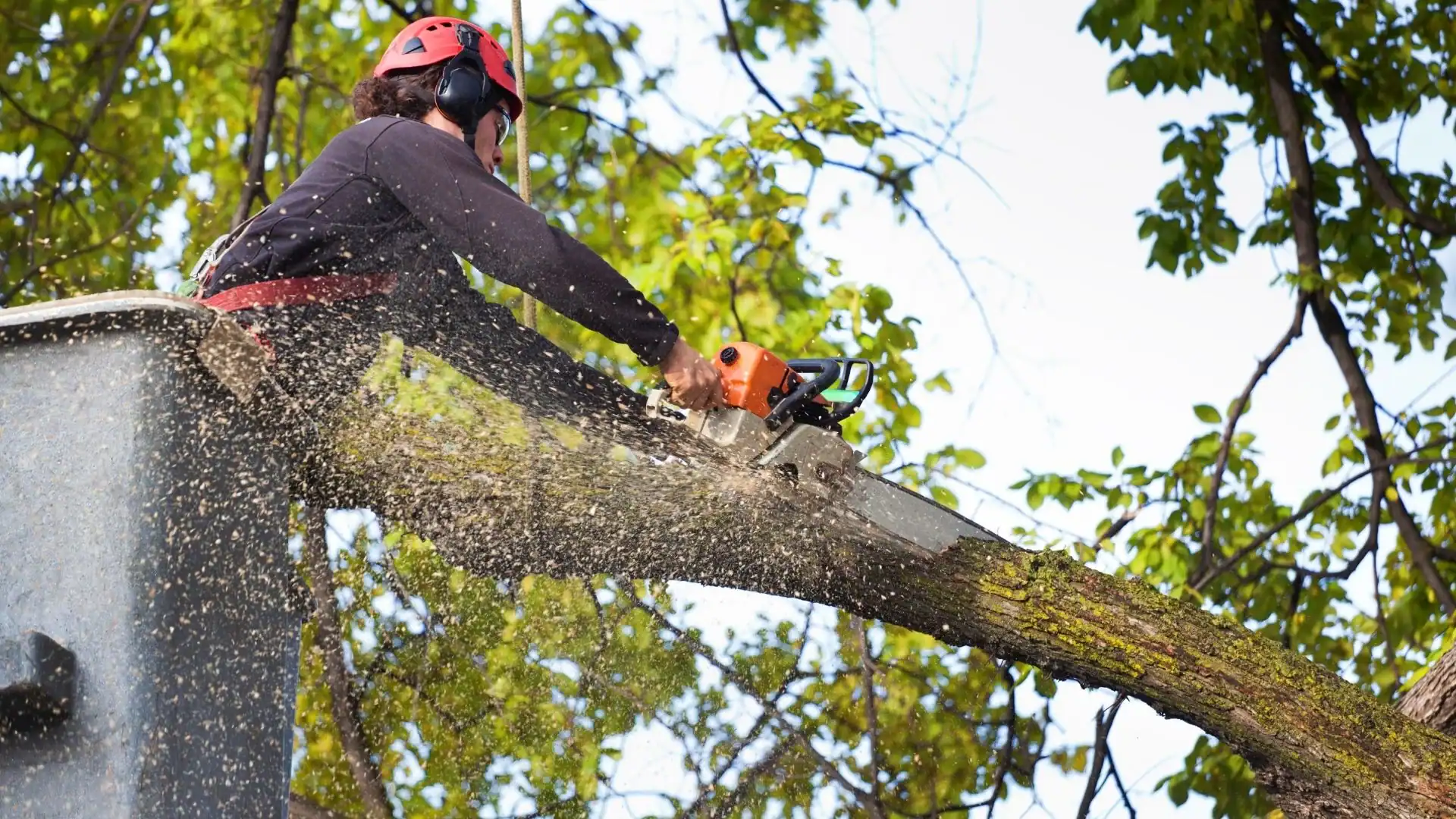
For construction, the priority is a structurally stable, properly drained site that can support a foundation, utilities, and the heavy equipment that will follow. That means full stump and root removal — not just grinding the stumps below grade, but ensuring the root systems won’t cause settling or drainage issues later. It also means thinking about rough grading early, so the site sheds water correctly rather than pooling against a future foundation. Skipping any of these steps during clearing creates problems that are significantly more expensive to fix once framing has started.
For agricultural use — clearing a pasture, reclaiming land that’s been taken over by cedar or invasive brush, opening up fence lines — the goals are different. Here, forestry mulching is often the right call. The mulch left on the ground protects the soil, suppresses weed regrowth, and breaks down over time into organic matter that improves the land. Reseeding after clearing is often the final step, and timing matters — clearing in fall gives cool-season grasses a chance to establish before winter, which means better erosion control and a more productive pasture by spring.
For residential landscaping projects — clearing an overgrown lot in Kearney, opening up a backyard in Independence, or reclaiming a property that’s been neglected for years — the focus shifts to precision. What stays matters as much as what goes. Mature trees, established shrubs, and existing grade lines all need to be considered so the finished result is actually usable, not just empty. In residential settings, cleanup matters enormously. We’ve earned specific praise from customers for cleaning up not just their own property, but the neighboring yard as well — because in a neighborhood, the job isn’t done until the whole area looks right.
The Kansas City, MO metro has no shortage of companies willing to clear land. What it has less of is companies that will tell you exactly what’s included in the quote, show up with the right equipment for your specific site, and leave the property in genuinely better shape than they found it — not just visually clear, but structurally and environmentally ready for the next phase.
A few things worth verifying before you hire anyone: Make sure the contractor is licensed and insured. On a land clearing job, an uninsured crew operating heavy equipment on your property is your liability, not theirs. Ask specifically what the quote includes — stump grinding, debris disposal, final cleanup — because a vague “basic clearing” price often excludes the things that cost the most. And ask whether the contractor will call 811 before any digging begins. Utility line strikes during clearing are a real risk, and a professional crew treats the call as standard procedure, not an afterthought.
Experience in the local market also matters more than it might seem. Kansas City, MO’s clay soils behave differently than sandy or loamy ground — they compact under heavy equipment, drain poorly when disturbed, and require specific handling to avoid long-term damage to the site. A contractor who has worked extensively in Jackson, Clay, Platte, and Cass counties understands these conditions firsthand. They’re not learning your property’s quirks on your dime.
We’ve completed over 300 projects across the Kansas City, MO metro, removed more than 1,200 trees with a 100% safety record, and maintained a 4.9-star rating across 40 independent reviews. That’s not marketing — it’s a track record you can verify. When you call us for a free estimate, you’ll get a straight answer about what your project involves, what it will cost, and what the site will look like when we’re finished. No fancy talk. Just honest work.
Land clearing is one of those projects where the details matter more than most people expect going in. The right process, the right equipment, and the right crew make the difference between a site that’s genuinely ready for what comes next and one that creates problems down the road.
If you’re working with a raw lot, an overgrown property, or land that needs to be prepped for construction, farming, or a major landscaping project anywhere in the Kansas City, MO metro, the best starting point is a real conversation with someone who knows the area, knows the regulations, and can give you an honest picture of what your specific project involves.
SQUIRREL MASTER TREE SERVICES LLC offers free estimates with no pressure and no vague pricing. Reach out and tell us what you’re working with — we’ll take it from there.
Summary:


Article details:
Share: