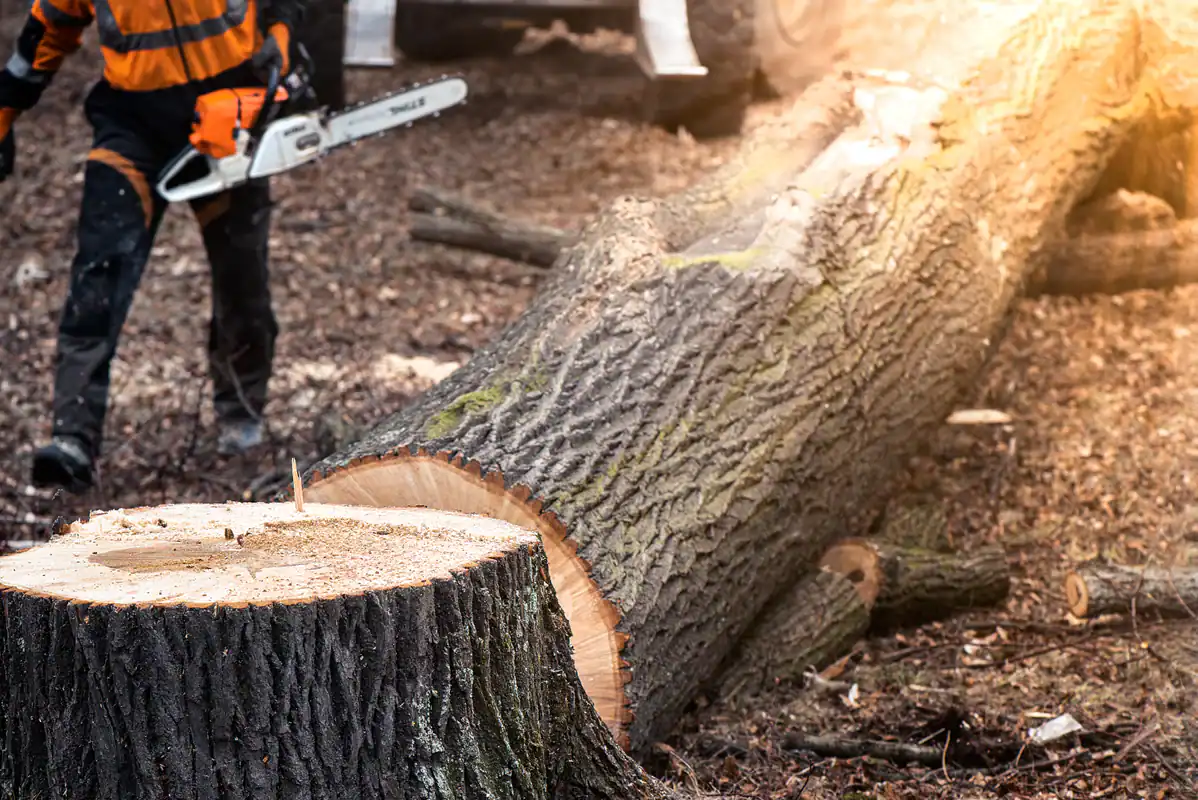
Kansas City's weather is hard on trees. Here's what to schedule each season — and why the timing matters more than most homeowners realize.
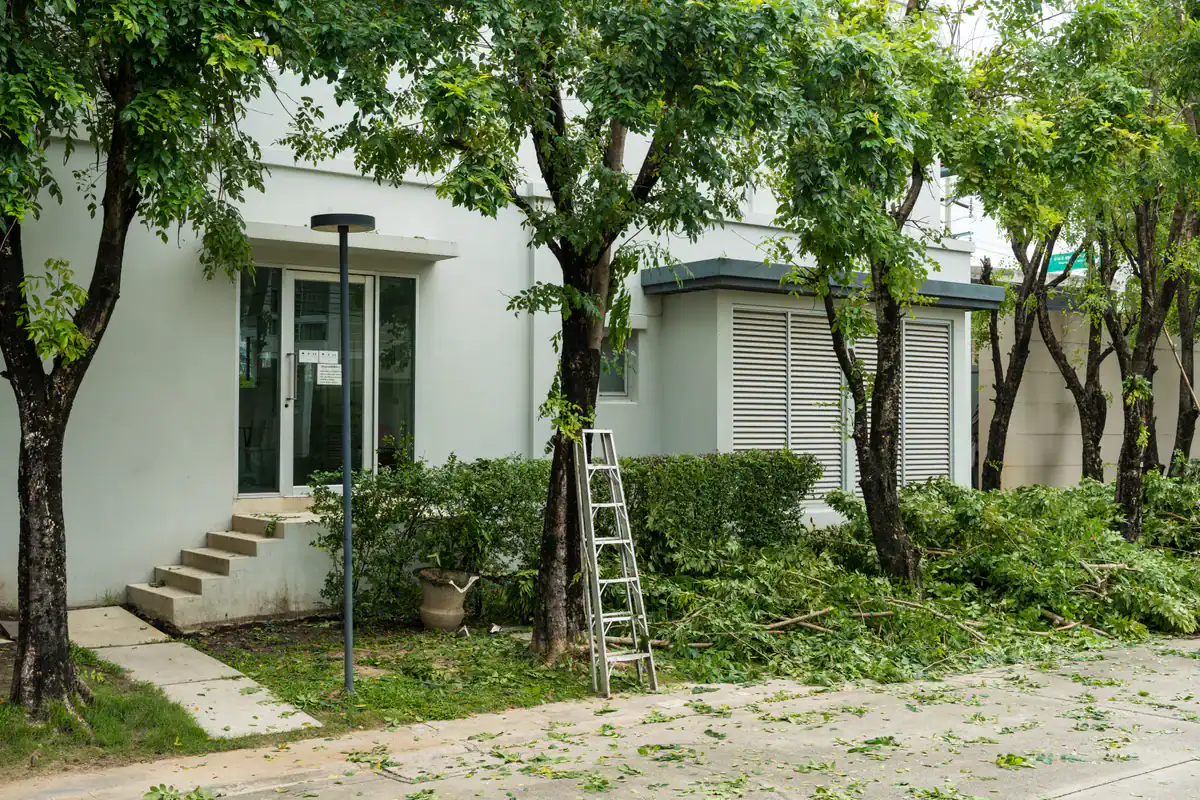
Kansas City doesn’t give trees an easy life. You’ve got spring thunderstorms, summer tornadoes, fall wind events, and winters that can drop an ice storm on you without much warning — the January 2025 ice storm being a recent reminder of that. If you own a home in the metro, there’s a good chance you’ve looked out your window after a storm and wondered whether that big oak in the backyard is still okay.
The answer, more often than not, depends on what you did before the storm. This guide covers the tree services that matter most throughout the year and explains when to schedule them so you’re not calling in a panic after something already went wrong.
There’s a right window for almost every tree service — and missing it doesn’t just mean the work gets delayed. It can mean paying emergency rates, dealing with a tree that’s more damaged than it needed to be, or watching a small problem turn into a removal job.
Kansas City’s climate is the main reason timing is so important here. The metro sits in a zone where hard freezes, saturated clay soils, severe thunderstorms, and prolonged summer heat all take turns stressing your trees. A tree that looks perfectly healthy in October can become a genuine hazard by March if it went into winter with structural problems no one caught.
Planning your tree care around the seasons — rather than reacting to damage — is the most practical thing a homeowner can do. We’ve seen this pattern play out across the Kansas City area for years: the homeowners who schedule regular maintenance are the ones who avoid costly surprises.
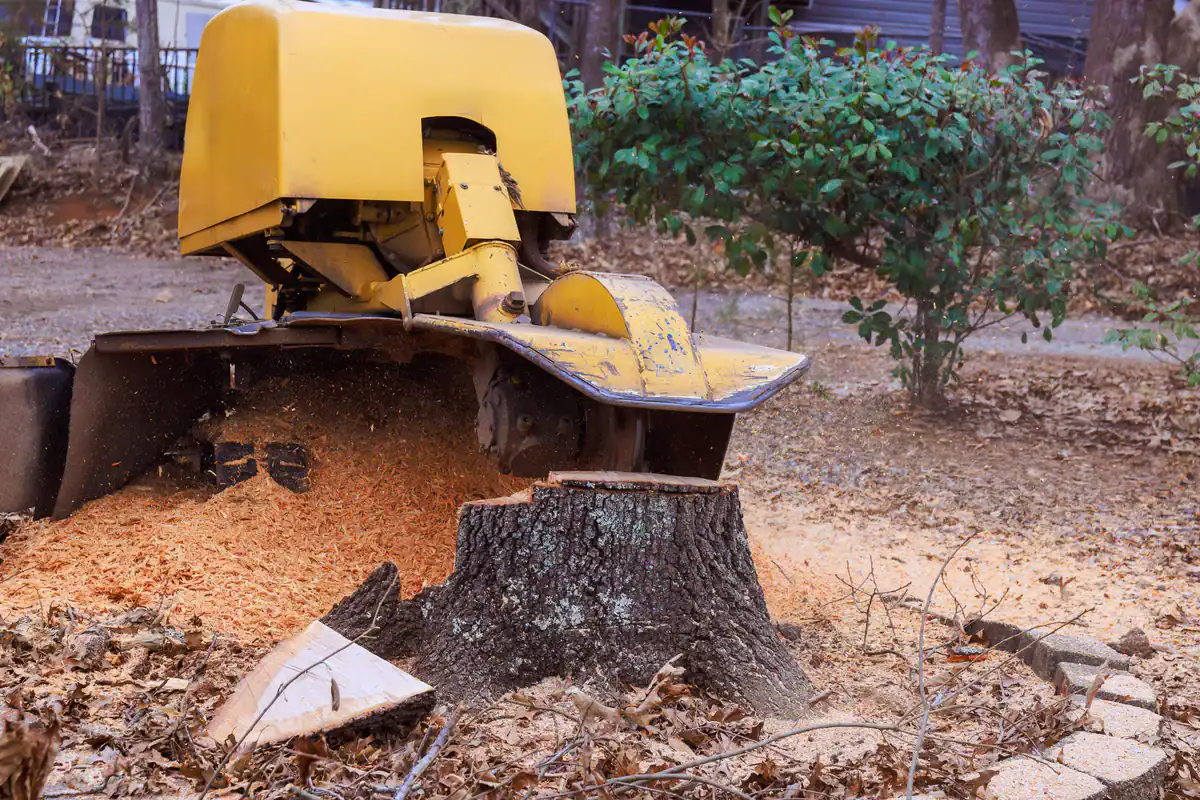
A tree inspection is the foundation of everything else on this list. It’s the step that tells you which trees need trimming, which ones are candidates for removal, and which ones just need to be watched. Without it, you’re guessing — and with trees, guessing tends to be expensive.
A professional inspection looks at things that aren’t obvious from the ground. That includes the structure of major branch unions, signs of disease or pest activity, root zone conditions, and whether the tree has any defects that make it more likely to fail under wind or ice load.
In Kansas City, one of the most common structural problems is a V-shaped branch union — a narrow attachment point that lacks the strength of a wider, U-shaped union. Under the saturated soil conditions that follow a heavy spring rain, trees with these defects are significantly more likely to uproot or split.
Spring is the best time for an inspection in the Kansas City area. After a winter that may have included ice accumulation, freeze-thaw cycles, and wind events, trees often carry damage that isn’t visible until the leaves come back in and you can see what’s missing or broken. Catching frost cracks, torn bark, or compromised limbs early in the season gives you time to address them before tornado season arrives.
If a tree on your property is near your roof, a power line, or a fence line, an annual spring inspection isn’t optional — it’s the kind of maintenance that keeps a manageable problem from becoming a serious one. We’ve inspected trees across the Kansas City metro — from established neighborhoods in Lee’s Summit and Raytown to newer developments in Overland Park and Lenexa — and the pattern is consistent: the homeowners who schedule regular inspections are the ones who avoid the costly surprises.
Tree trimming is probably the most misunderstood service on this list. Most people think of it as a cosmetic job — something you do when the tree looks overgrown or branches are hanging too low over the driveway. But trimming done at the right time, with the right cuts, is one of the most effective things you can do to protect a tree’s long-term health and structural integrity.
The best window for structural trimming in Kansas City is late winter — roughly February through March. Trees are still dormant, which means they handle the stress of pruning better and heal faster once spring growth kicks in. The leafless canopy also makes it much easier to see what’s actually going on structurally.
Deadwood, crossing branches, and weak attachments are all easier to identify and address when there’s no foliage in the way. Summer trimming isn’t off the table, but it should be targeted and light — removing a specific hazardous limb, for example, rather than a full crown reduction. Fall is generally the wrong time for heavy pruning. Cutting large sections of a tree in fall stimulates new growth that won’t have time to harden before the first freeze, leaving the tree more vulnerable heading into winter.
For Kansas City homeowners with oaks, there’s an additional timing consideration. Oak wilt — a serious fungal disease present in the region — spreads most aggressively in spring when sap beetles are most active. Pruning oaks between April and June creates fresh wounds that attract those beetles and dramatically increases the risk of infection. If you have oaks on your property, trimming them in winter is not just a best practice — it’s a genuine disease prevention measure.
The cost to prune a tree ranges from $75 to $1,500 depending on size, species, and condition. Trimming done on schedule tends to stay on the lower end of that range. Trimming a tree that’s been neglected for years — or one that’s been damaged by a storm and needs emergency attention — costs considerably more.
Want live answers?
Connect with a Squirrel Tree Service expert for fast, friendly support.
Not every tree problem can be solved with a trim. Sometimes a tree needs to come down — and the longer you wait on a genuinely hazardous tree, the more risk you’re carrying on your property. Stump grinding and land clearing are services that often get pushed to the back burner, but both have real consequences when they’re delayed.
Understanding what each service involves, and when it makes sense to schedule it, helps you make better decisions — and avoid the kind of reactive call that tends to happen at the worst possible time.
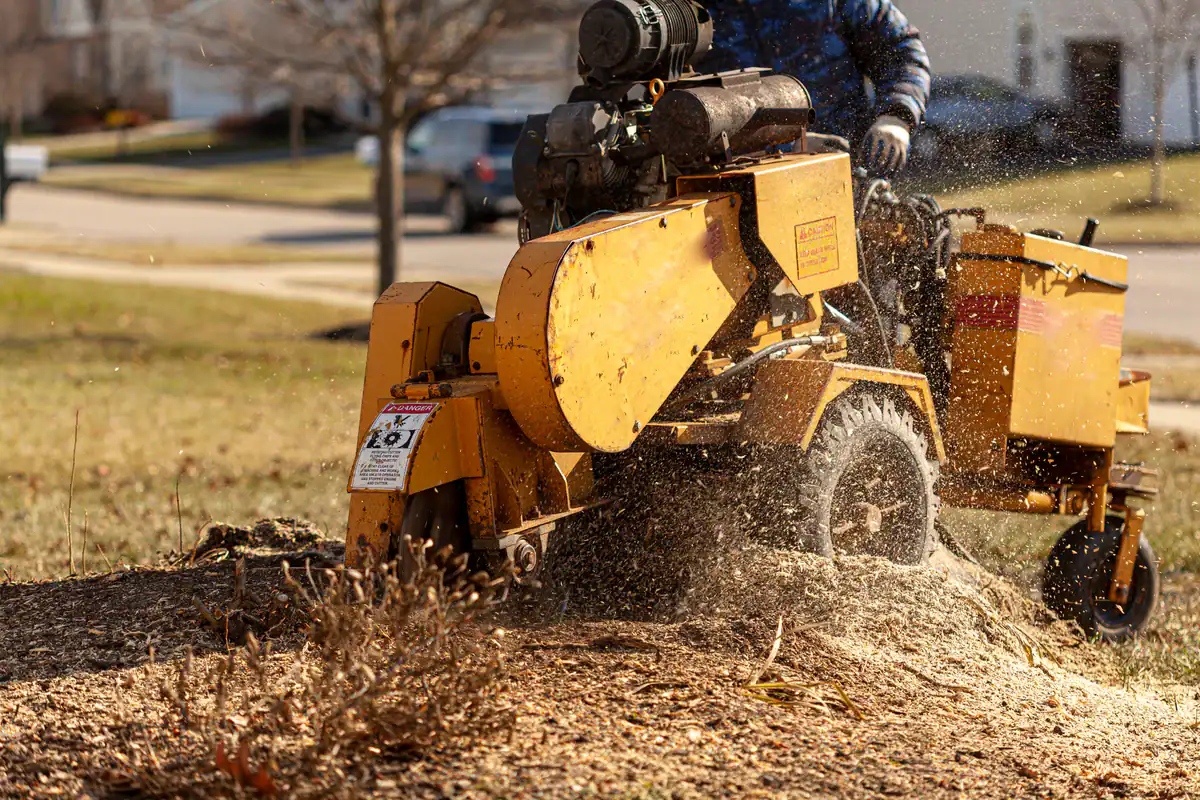
This is one of the most common questions homeowners ask, and it’s a fair one. A tree can look completely alive — full canopy, green leaves, no visible damage — and still be a serious structural hazard. The signs that matter most aren’t always visible to someone without training.
A few situations where removal is typically the right call: the tree has significant root damage or decay at the base; it’s leaning noticeably toward a structure, especially if that lean developed recently; large sections of the crown are dead or dying; the trunk has visible cracks, cavities, or fungal growth; or the tree sustained major storm damage that compromised its structural integrity.
In Kansas City, trees growing in heavy clay soil are particularly susceptible to uprooting after extended wet periods because the roots can’t anchor as effectively as they would in better-draining soil. This is especially true for trees that have been stressed by previous storms or drought cycles.
Tree removal costs range from $200 to $2,000 or more depending on the size of the tree, its location on the property, and how complex the removal is. A large tree close to a structure — or in a tight neighborhood lot — requires more planning and precision than a tree in an open yard. Emergency removal after a storm, when the tree has already partially failed, can run two to three times the cost of a planned removal. That’s the number that should motivate homeowners to get a hazardous tree assessed before a storm makes the decision for them.
We’ve safely removed more than 1,200 trees across the Kansas City metro — including large trees in dense neighborhoods where working space is limited — with a 100% safety record. That kind of work requires more than a crew with a chainsaw. It requires proper equipment, a clear plan, and the experience to anticipate how a tree will behave when it comes down.
Stumps have a way of just sitting there. The tree is gone, the yard looks mostly fine, and grinding the stump feels like an optional extra. It’s one of the most commonly delayed services in residential tree care — and one of the more regrettable ones once homeowners find out what a neglected stump can attract.
Rotting stumps are a reliable entry point for termites, carpenter ants, and wood-decay fungi. Once those pests establish themselves in a stump, they don’t always stay there — they can spread to healthy trees nearby, or in some cases, toward the home’s structure. Beyond the pest issue, stumps are a tripping hazard, they make mowing more difficult, and they take up space that could be used for landscaping, a garden bed, or just a cleaner-looking yard.
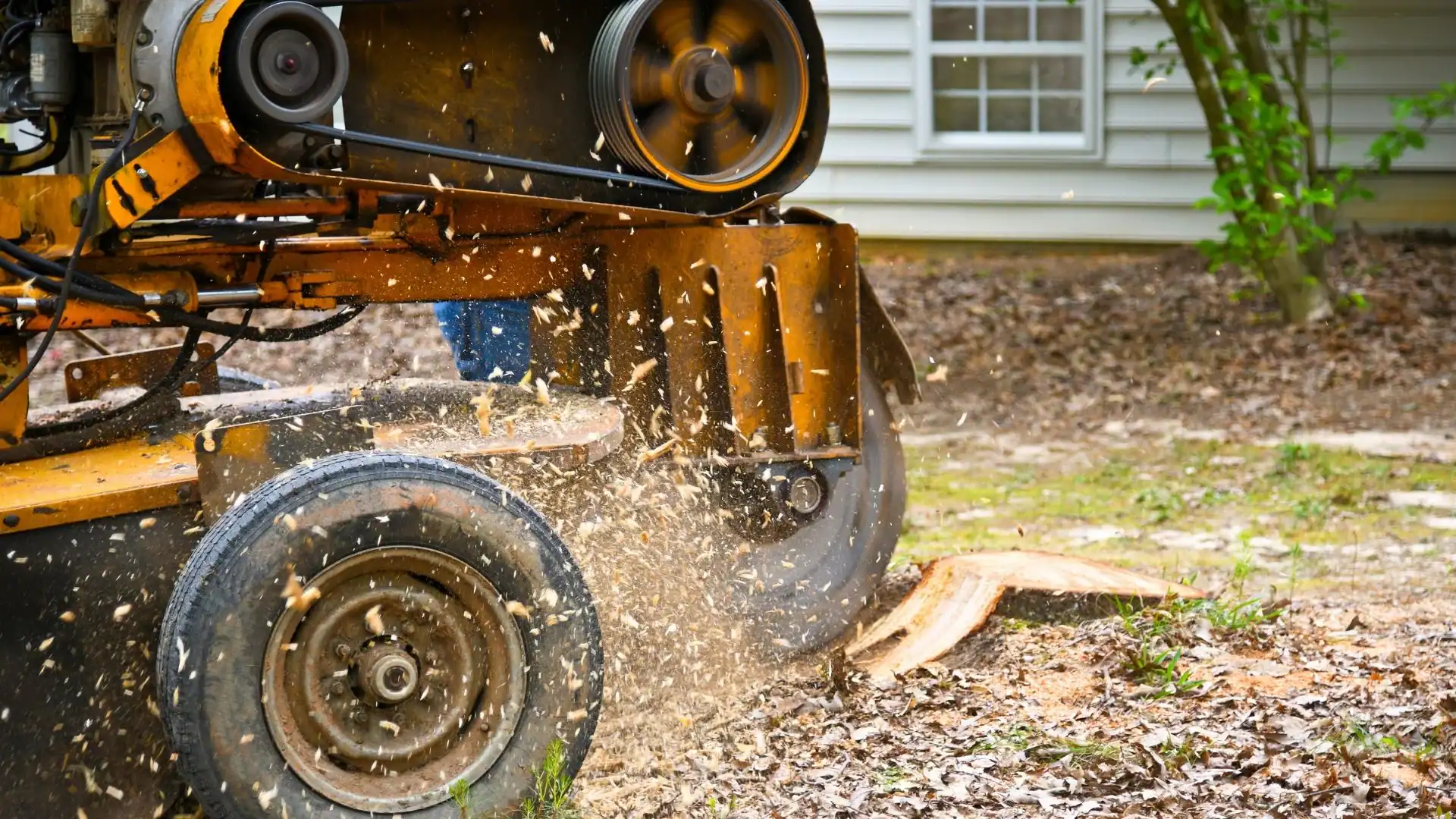
Stump grinding removes the stump to below ground level — typically a few inches below the surface — so the area can be filled, seeded, or landscaped over. The average cost for stump grinding is around $250, with a range from $30 on the low end for a small stump to $1,600 for a large hardwood stump. Professionals typically charge between $2 and $5 per inch of stump diameter. If you have multiple stumps, scheduling them together almost always reduces the per-stump cost.
Land clearing is a different service with a different set of triggers. It’s not just for large construction projects — residential land clearing is commonly needed when a homeowner wants to add a garage, put up a fence, create a garden space, or simply reclaim a section of the yard that’s been overtaken by brush and overgrowth. In the Kansas City metro, where many older properties have mature trees and dense vegetation along property lines, land clearing is a more common request than most people assume.
The work involves removing trees, brush, stumps, and debris from a defined area and leaving it ready for whatever comes next. Spring and early summer are the most practical times to schedule both stump grinding and land clearing in the Kansas City area — the ground is workable, conditions are favorable for site prep, and you’ll have the cleared space ready before the heart of the growing season.
The through-line in all of this is timing. Every service covered here — inspections, trimming, hazardous tree removal, stump grinding, land clearing — has a window where it’s most effective and most affordable. Waiting until something fails almost always costs more, takes longer to fix, and carries more risk than addressing it on a planned schedule.
Kansas City’s weather isn’t going to get more predictable. The metro’s combination of tornado season, ice storms, and clay-heavy soils means the trees on your property are working harder than they would in a gentler climate. They benefit from regular attention — and so does your peace of mind.
If you’re not sure where to start, a spring inspection is the right first step. From there, the path forward is usually clear. Squirrel Master Tree Services offers free estimates with straightforward pricing — no upfront costs, no hidden fees — and serves homeowners across both the Kansas and Missouri sides of the Kansas City metro. Reach out and we’ll take a look.
Summary:

Article details:
Share: