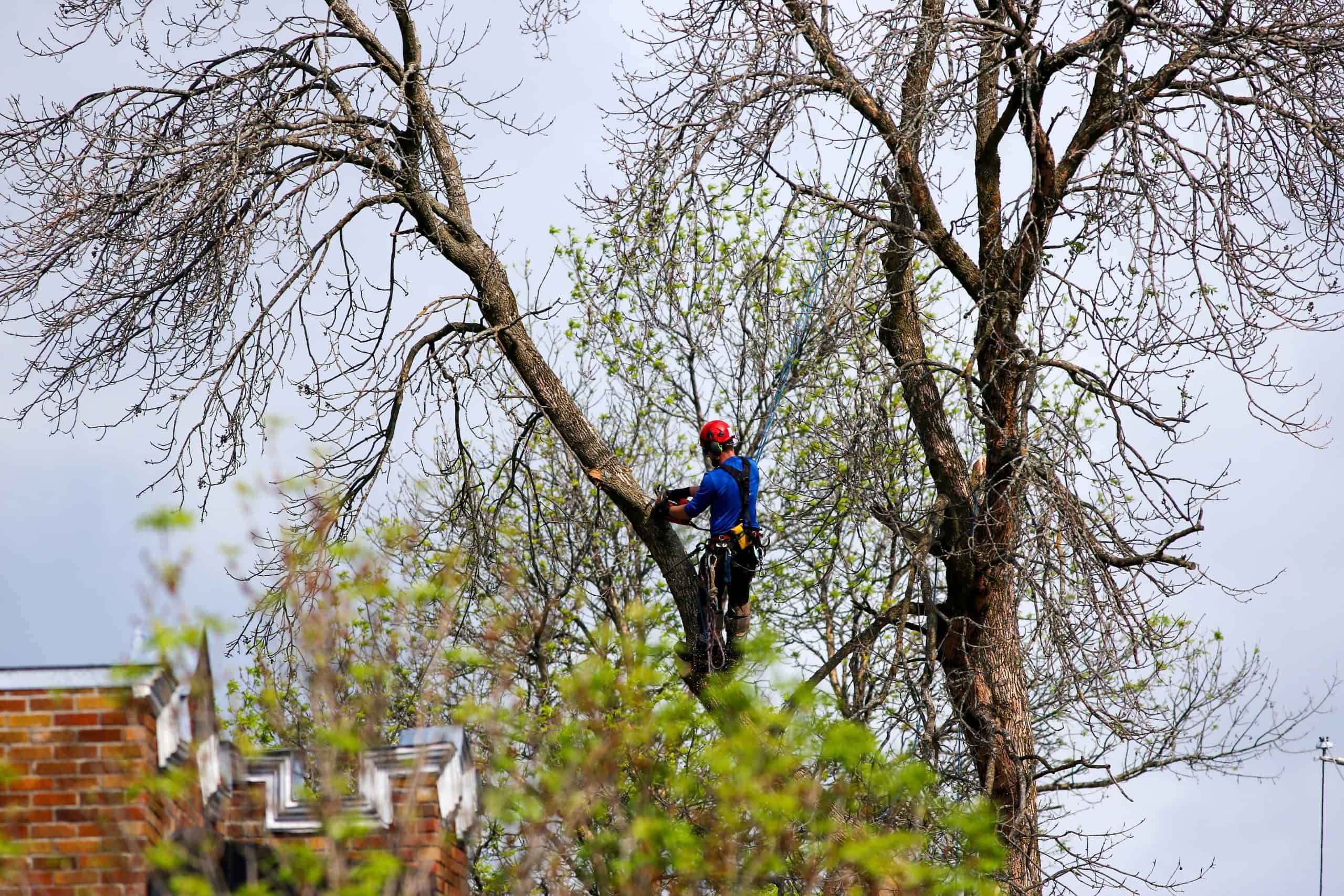
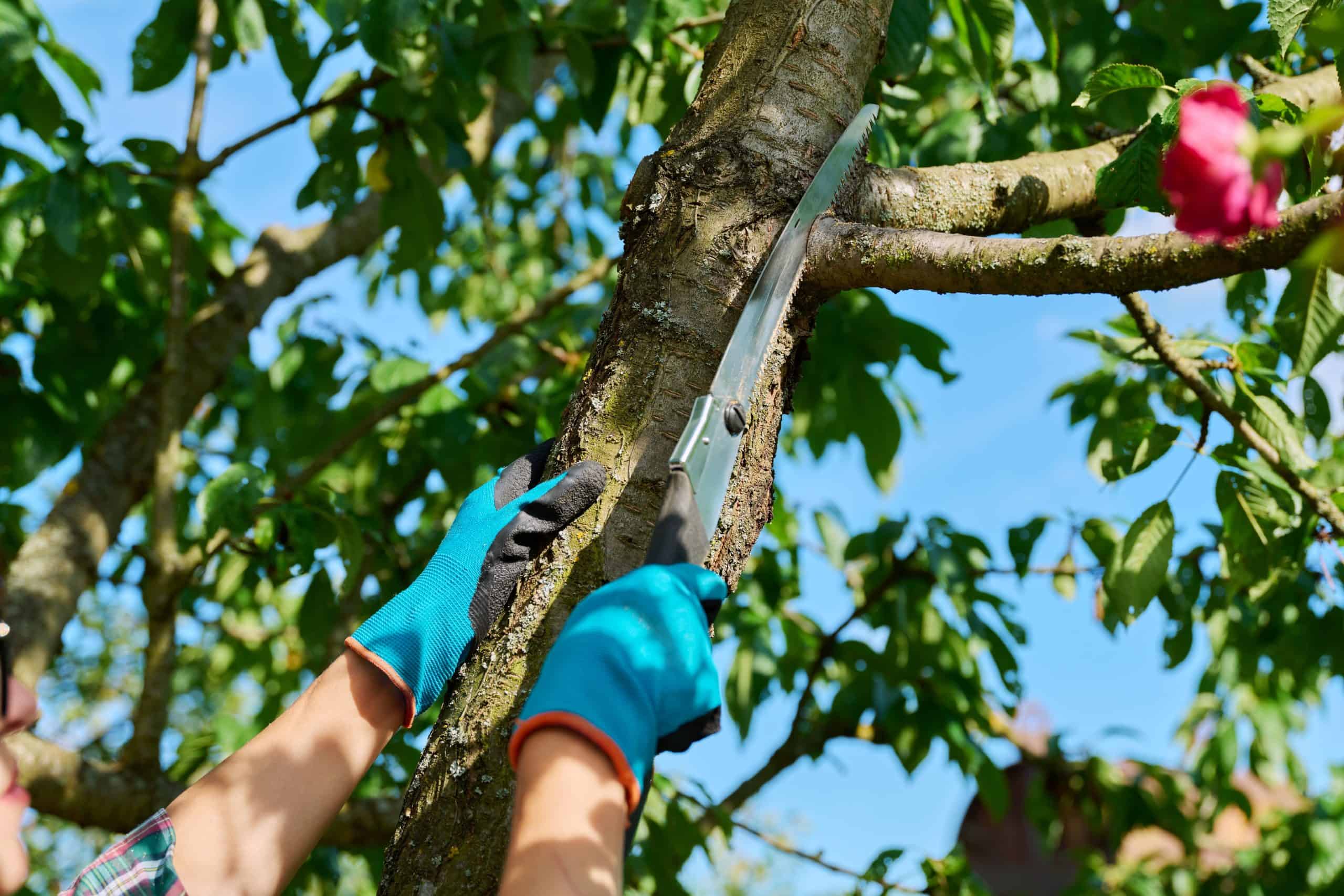
Overland Park sits directly in the path of Kansas City, KS & MO’s worst weather. The area has been under severe weather warnings 90 times in the past year alone, with damaging winds and hail showing up on radar 130 times in that same stretch. When a summer thunderstorm pushes straight-line winds through your neighborhood, the difference between a clean yard and a roofline full of branches often comes down to how well your trees were maintained before it hit.
Professional tree trimming thins the canopy so wind moves through it instead of catching it. Dead wood gets removed before it becomes a projectile. Limbs that have grown over your roof, your driveway, or your fence get cut back before they cause damage that costs far more than the trimming would have.
For homeowners in Overland Park’s established subdivisions — where 40- and 50-year-old oaks and maples have grown into full-size canopies — this isn’t optional upkeep. It’s the kind of maintenance that protects a home worth protecting. Beyond storm prep, well-trimmed trees just look better and stay healthier longer. Proper canopy trimming improves airflow, reduces disease pressure, and keeps your property looking maintained. In a city where median home values are pushing toward $450,000 and HOAs have landscaping standards to back them up, that matters.
Squirrel Master Tree Services is a family-owned, fully insured tree care company based in Kansas City, KS & MO, KS — and Overland Park is one of the core areas we work in regularly. We’re not a national franchise dispatching crews from a regional hub. We’re a local operation with 10-plus years of experience working in Johnson County neighborhoods, including the kind of mature, dense canopies that define the older subdivisions along the Metcalf corridor and the newer developments filling in south of 135th Street near Blue Valley.
We’ve safely managed more than 1,200 trees across the Kansas City, KS & MO metro with a 100% safety record. Our customers in Overland Park consistently call out fair pricing, same-day cleanup, and the fact that we don’t leave a mess behind. That’s the standard on every job, whether it’s a single overgrown branch or a full canopy raising on a mature oak in Cedar Creek.
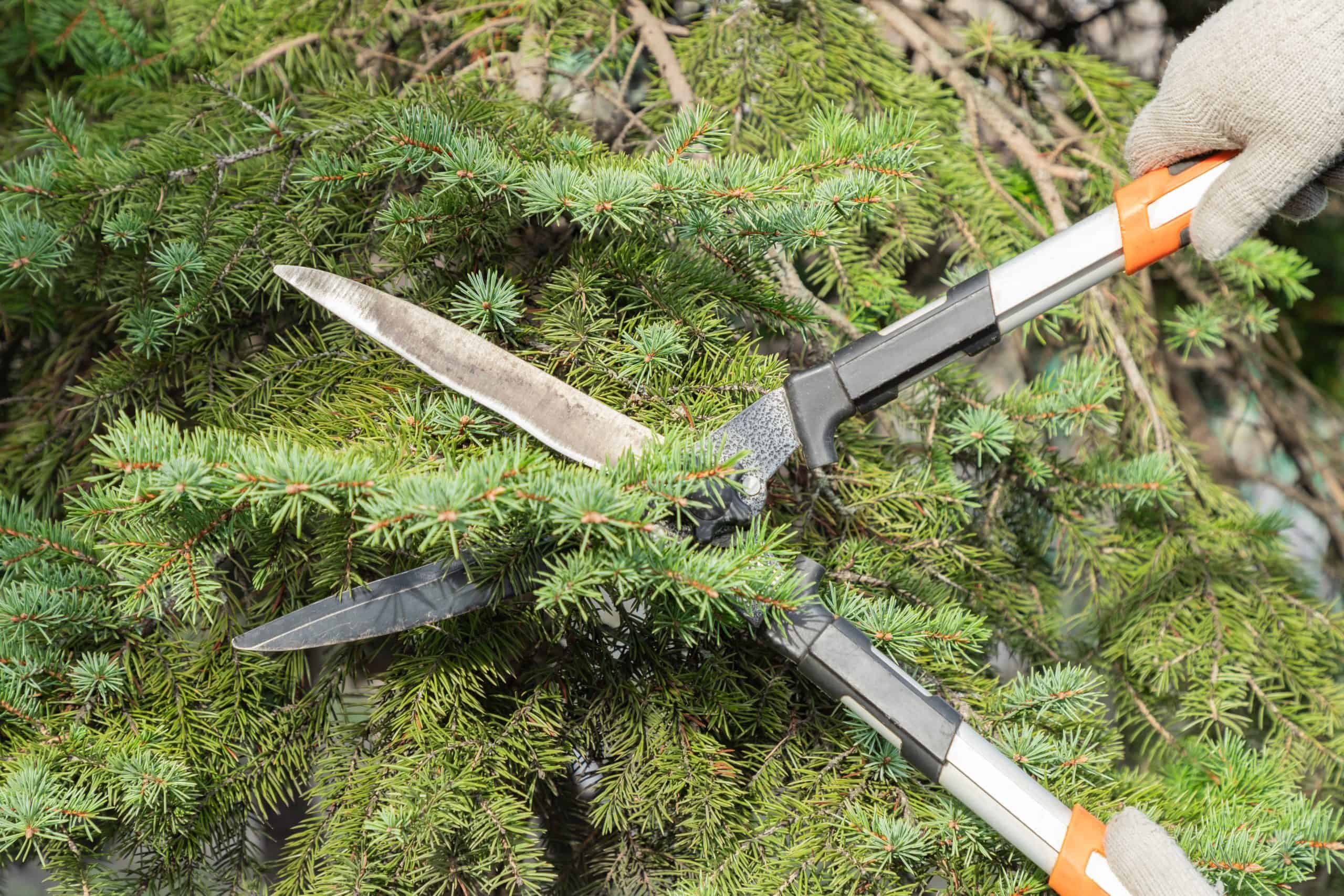
It starts with a free quote — and in most cases, we can get you that quote the same day you reach out. We come to the property, walk the yard, and look at what you’re actually dealing with. That might be a single branch that’s been bothering you for months, or it might be a full canopy that’s grown over your roofline and hasn’t been touched in years. Either way, you get a straight answer on what it’ll take and what it’ll cost before any work begins.
One thing worth knowing for Overland Park homeowners: no permits are required for tree trimming or removal on private residential property. If your tree is between the sidewalk and the street — what the city calls the right-of-way — that’s a different situation, and those trees fall under city management. For everything on your own property, there’s no paperwork, no waiting period, and no city approval process standing between you and getting the work done.
Once the job starts, we handle everything from the first cut to the final pass with a blower. All branches, chips, and debris are cleared before we leave. If you want to keep the wood or mulch, just say so — otherwise it goes with us. Overland Park’s clay soil and tight lots in older neighborhoods require careful work around irrigation lines, fences, and neighboring landscaping, and that’s exactly how we approach it. You do a walkthrough when it’s done. If something isn’t right, we make it right.
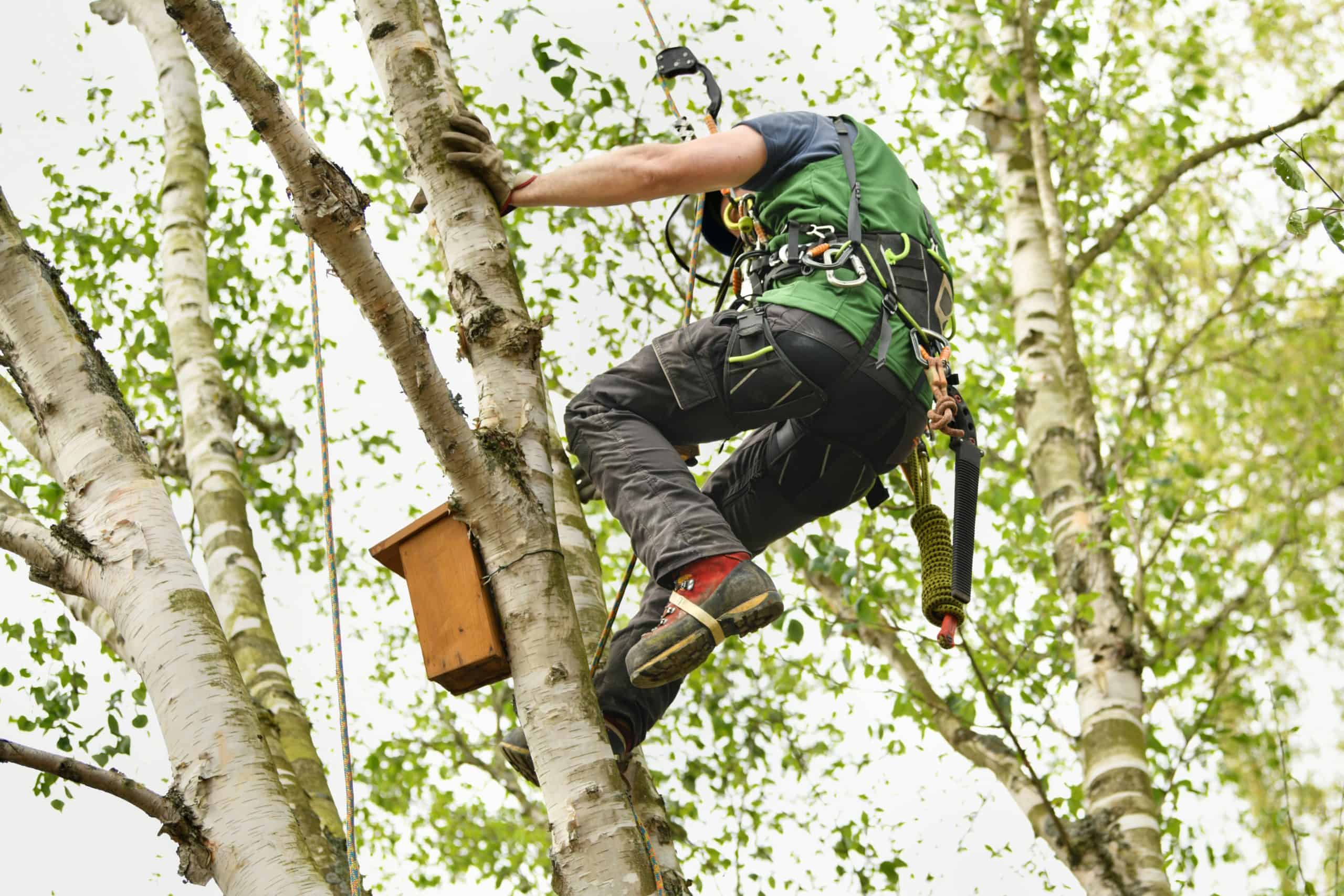
Ready to get started?
Tree trimming covers a range of work depending on what your trees actually need. Canopy raising — lifting the lower canopy to create clearance over driveways, sidewalks, and structures — is one of the most common requests in Overland Park’s established neighborhoods. The city’s own code requires adjacent property owners to maintain eight feet of clearance over sidewalks and 12.6 feet over streets for right-of-way trees, and many homeowners find their private trees have grown well past those thresholds too.
Raising the canopy on a mature oak or sycamore changes the whole feel of a yard and resolves clearance issues without removing a tree that adds real value to the property. Overgrown tree trimming, tree shaping, and dead branch removal are all part of what we handle. For homes in south Overland Park’s Blue Valley developments — where trees planted in the early 2000s are now 15 to 25 years old and growing faster than expected — structural pruning at this stage sets the tree up for decades of healthy growth.
For the older neighborhoods north of 95th Street, the work is often more about managing what’s already large and keeping it from becoming a hazard. Every job includes full cleanup. No piles left in the yard, no debris on the neighbor’s property, no half-finished edges. We leave the property the way a well-maintained Overland Park yard should look. Free same-day quotes are available, and we’re fully insured on every job — general liability and workers’ compensation — so there’s no financial exposure on your end if anything unexpected happens.
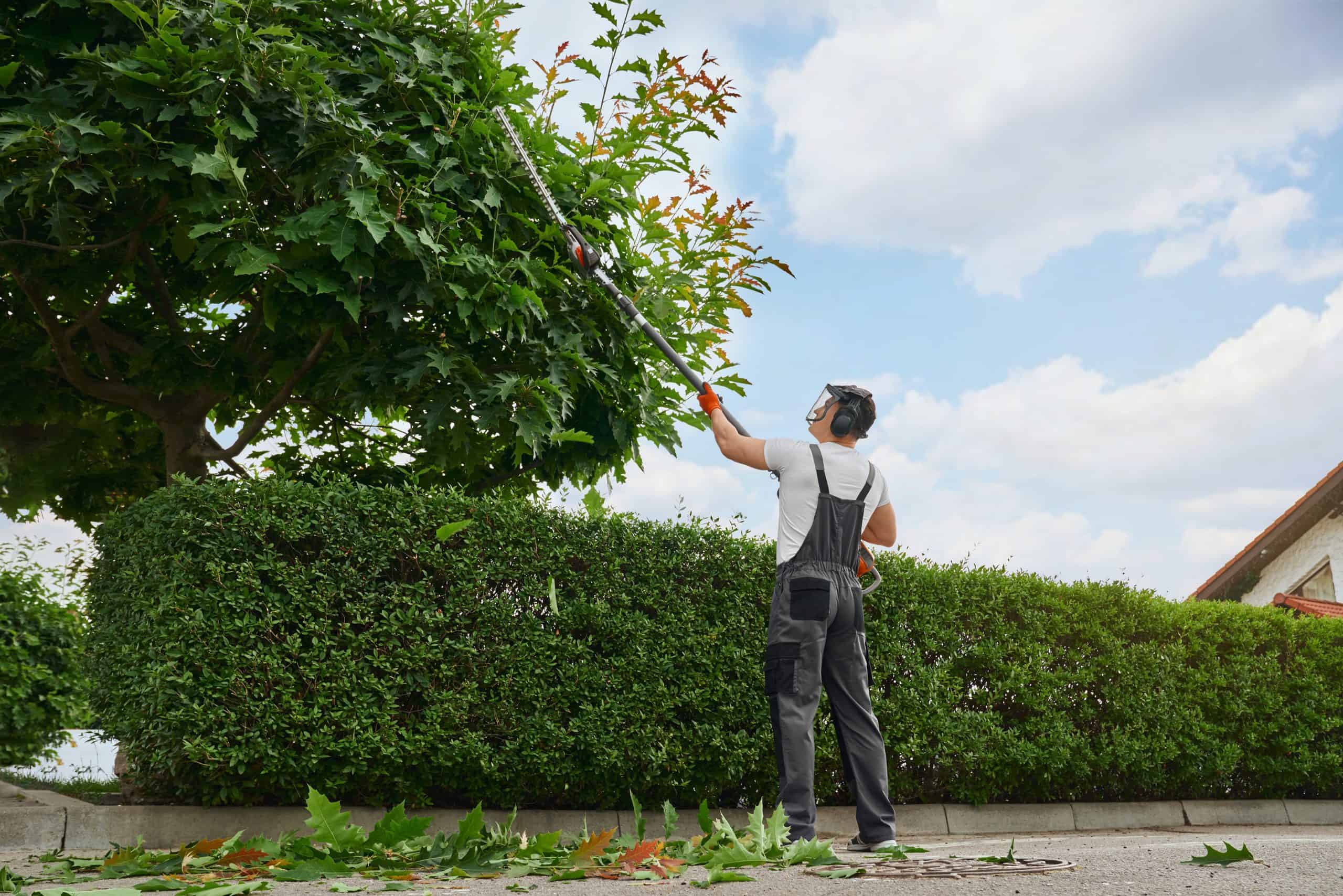
For trees on your own private residential property in Overland Park, no permit is required — for trimming or removal. You don’t need to file paperwork, wait for city approval, or notify anyone before the work begins. That’s one of the more homeowner-friendly policies in Johnson County, and it means you can move quickly when a branch is posing a risk or a tree has grown into a problem.
The one exception is trees in the right-of-way — the strip of land between the sidewalk and the street. Those trees are managed by the city, and removing or significantly altering them requires city authorization. Trimming for clearance is still the adjacent property owner’s responsibility, but any major work needs to go through the city forester first. If you’re not sure whether a tree is on your property or in the right-of-way, we can help you figure that out during the free on-site quote.
Canopy raising means removing the lower branches of a tree to lift the bottom of the canopy higher off the ground. The result is more clearance beneath the tree — over driveways, walkways, patios, fences, or structures — without reducing the overall size or health of the tree itself. It’s one of the most practical trimming services for homeowners in Overland Park’s older subdivisions, where mature oaks and sycamores have been growing for 40 or 50 years and their lower limbs now hang low enough to scrape vehicles, block sightlines, or brush against rooflines.
It also comes up frequently in HOA-governed neighborhoods where landscaping standards include clearance requirements. If you’ve received an HOA notice about overhanging branches or low-hanging limbs near a shared boundary, canopy raising is usually the cleanest fix. We handle the trimming, haul everything away, and can provide documentation of the work if your HOA requires it.
Late winter to early spring — roughly February through March — is generally the best window for most tree species. During dormancy, the tree isn’t actively growing, which means trimming causes less stress and the cuts heal more efficiently once spring arrives. It’s also easier for our crew to assess the structure of the tree without leaves in the way, which matters when you’re looking for dead wood, crossing branches, or co-dominant leaders that need to be addressed.
That said, Overland Park’s storm season runs hard from April through June, and waiting until after the first big storm to think about trimming is a pattern that costs homeowners real money. Getting canopy work done in late winter — before the severe weather season kicks in — is the smarter move. Emergency trimming and storm damage cleanup are available year-round, but proactive trimming in the dormant window is almost always less expensive and less stressful than reactive work after a branch has already come down on something.
Tree trimming costs vary based on the size of the tree, how many trees you’re having done, how accessible they are, and what the work actually involves. Nationally, most homeowners pay somewhere between $300 and $900 per tree, with smaller trees on the lower end and large mature trees — the kind that define a lot of Overland Park’s established subdivisions — toward the higher end of that range.
We don’t publish set prices because every yard is different. A 60-year-old oak in Nottingham Forest with limbs over a roofline is a different job than a 20-year-old maple in a Blue Valley development that just needs structural pruning. What we do offer is a free, same-day quote so you know exactly what you’re looking at before any work begins. No pressure, no obligation — just a straight number based on what’s actually in your yard. Most quotes are given the same day you reach out.
They’re related, and the terms get used interchangeably all the time — but there is a practical distinction. Trimming is primarily about managing the shape, size, and clearance of a tree. It’s what you do when branches are growing too close to a roofline, hanging over a driveway, or pushing past a fence line. The goal is control and clearance.
Pruning is more targeted toward the health and structure of the tree itself. It involves removing dead, diseased, or crossing branches that are affecting how the tree grows — not just where it grows. A good pruning job improves airflow through the canopy, reduces disease pressure, and helps the tree develop a stronger structure over time. In practice, most professional tree work involves both: you’re shaping the tree and addressing its health in the same visit. When you call for a quote, we’ll look at what the tree actually needs and walk you through what we’re recommending and why.
A few things are worth looking at. If you have branches hanging over your roof, your car, or a neighbor’s property — that’s not a “wait and see” situation, especially heading into Overland Park’s spring storm season. Dead or dying branches are another clear sign. They don’t need a storm to fall; they can come down on a calm day, and they tend to fall without warning. If you’re seeing large sections of a branch with no leaves during the growing season, that wood is likely dead and should come down.
Beyond obvious hazards, trees that haven’t been touched in five or more years — common in Overland Park’s older neighborhoods like Cedar Creek and Deer Creek — often have structural issues that aren’t visible from the ground without a trained eye. Co-dominant leaders, included bark, and tight branch unions are the kinds of things that look fine until they don’t. A free on-site assessment is the most reliable way to know where you actually stand, and it costs you nothing to find out.
Other Services we provide in Overland Park