More Kansas City homeowners are choosing tree removal as a starting point, rather than a last resort. Here is what is driving that shift and what it means for your yard.
If you’ve been staring at your backyard and feeling like something needs to change, you’re not alone. Across Kansas City, from Brookside to Overland Park to Lenexa, homeowners are rethinking what their outdoor spaces serve. Increasingly, that process starts with an honest look at the trees, not because something fell or died, but because the tree that made sense twenty years ago is now standing in the way of the yard you desire. This page is for people in that exact moment, weighing the decision, doing the research, and trying to figure out the right move.
The old framing around tree removal was reactive. A tree falls in a storm, a limb comes down, or a disease takes hold, prompting a call for help. That remains a significant part of the picture, especially in a metro area that sees the severe weather Kansas City experiences.
However, something has shifted. More homeowners are approaching tree removal as a design decision, not a last resort. They are planning patios, native plant gardens, and low-maintenance outdoor spaces, and they realize the tree has to come out before any of that can happen. The removal isn’t the problem; it is the first step in solving one.
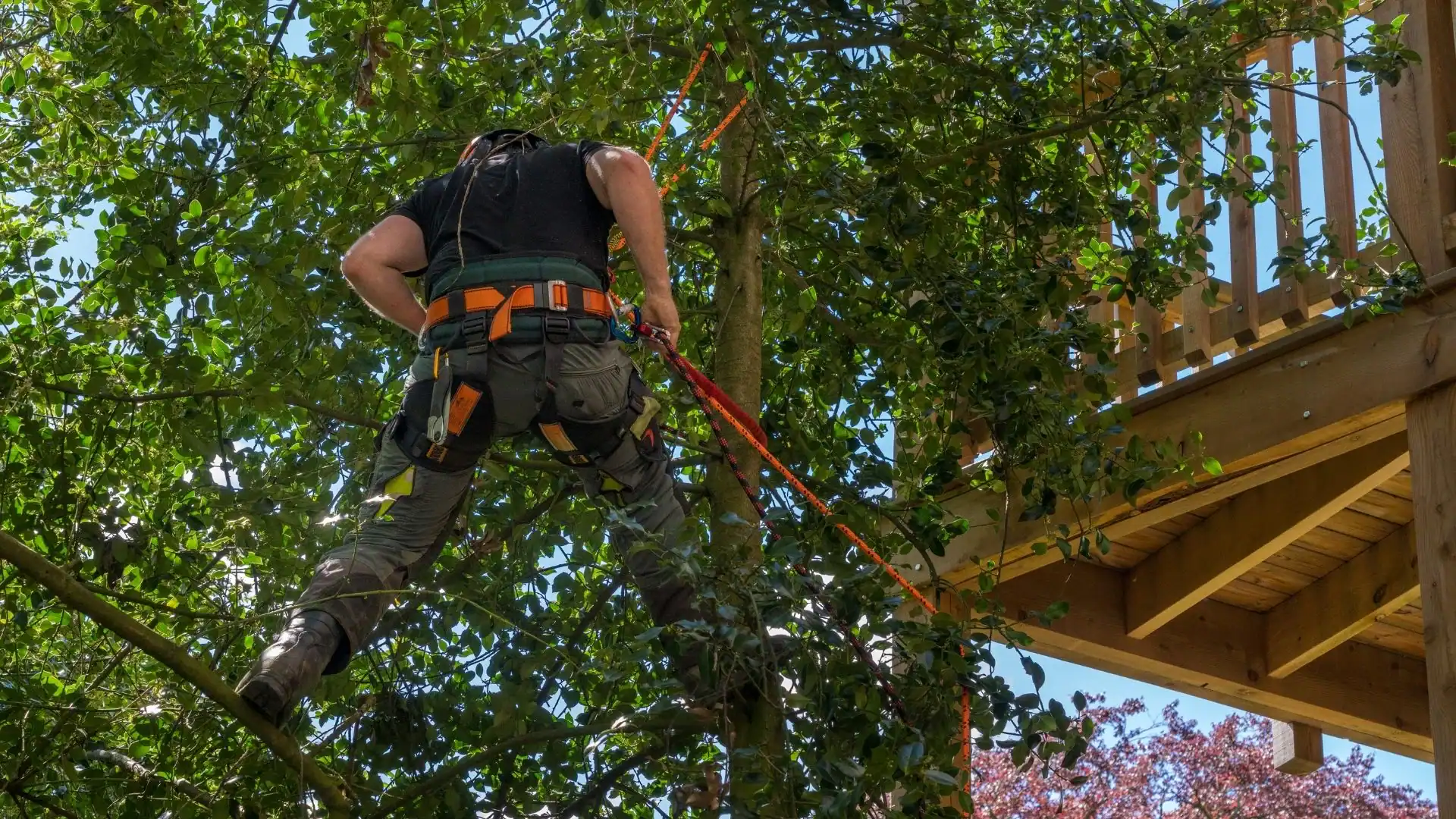
If you have an ash tree in your yard, there is a strong chance you already know something is wrong. The Emerald Ash Borer has been working through Kansas City’s tree canopy for years, and the entire state of Missouri, along with Kansas, is now under quarantine.
Kansas City Parks and Recreation estimates 4.6 million ash trees in the metro area are at risk. Tens of thousands have already been killed, and many are still standing.
Green ash and white ash were among the most commonly planted shade trees in Kansas City suburban neighborhoods built in the 1970s through the 1990s. That means a significant share of the mature canopy in places like Mission, Leawood, and the older Overland Park neighborhoods consists of trees that are either already dead or actively dying.
Here is the part most people don’t think about until it is too late: the longer a dead ash tree stands, the more brittle and unpredictable the wood becomes, which makes removal progressively more complicated and costly.
What we see with many Kansas City homeowners right now is that the EAB situation has forced a decision they weren’t quite ready to make. The tree is gone or going, and now there is an open patch of yard that needs a plan. That moment, the blank canvas after the ash comes down, presents a real opportunity. A dead tree that has been dominating your yard for years can become a garden bed, a patio, a stretch of native grasses, or a clean lawn.
However, you have to get the stump out first, and you need a vision for what comes next. The Ward Parkway corridor is a good example of how seriously the city is taking this. The city has tagged and monitored ash trees along that historic stretch, and the removals happening there reflect a broader reality playing out in neighborhoods all over the metro. Kansas City is losing ash trees regardless of whether homeowners act proactively. The real question is whether you get ahead of it on your terms, with a plan, or wait until the tree becomes a hazard and your options narrow.
There is a separate trend happening alongside the EAB situation, driven less by crisis and more by lifestyle. Kansas City homeowners, particularly those who have owned their homes for a decade or more, are increasingly moving toward yards that don’t demand constant attention, such as artificial turf, drought-tolerant native plants, gravel and paver surfaces, and structured garden beds that don’t require weekly maintenance.
The problem is that many mature trees do not fit that vision. Silver maples and cottonwoods, two of the most common trees in established Kansas City neighborhoods, are heavy droppers. They shed leaves in fall, seed pods in spring, and branches after every storm. If you are trying to maintain a clean, low-effort yard, a mature silver maple directly overhead works against you at every turn.
Add in root systems that crack paver surfaces and compete aggressively with anything you try to plant nearby, and removal starts to look less like giving up and more like making a smart call.
Landscape companies across Kansas City, including those working in Brookside and the surrounding south Kansas City neighborhoods, have documented this pattern specifically. Homeowners come in wanting a backyard redesign, and the first conversation is often about which trees stay and which ones have to go. The tree isn’t always the enemy, but it is often the obstacle.
The honest assessment, the one that serves the homeowner well, looks at each tree individually and asks if it fits the plan, rather than just checking if it is technically alive. If trimming solves the problem, we will say so. We don’t push removal when it isn’t the right answer. But when a tree stands between you and the yard you want, we will tell you that clearly too.
Want live answers?
Connect with a Squirrel Master Tree Services LLC expert for fast, friendly support.
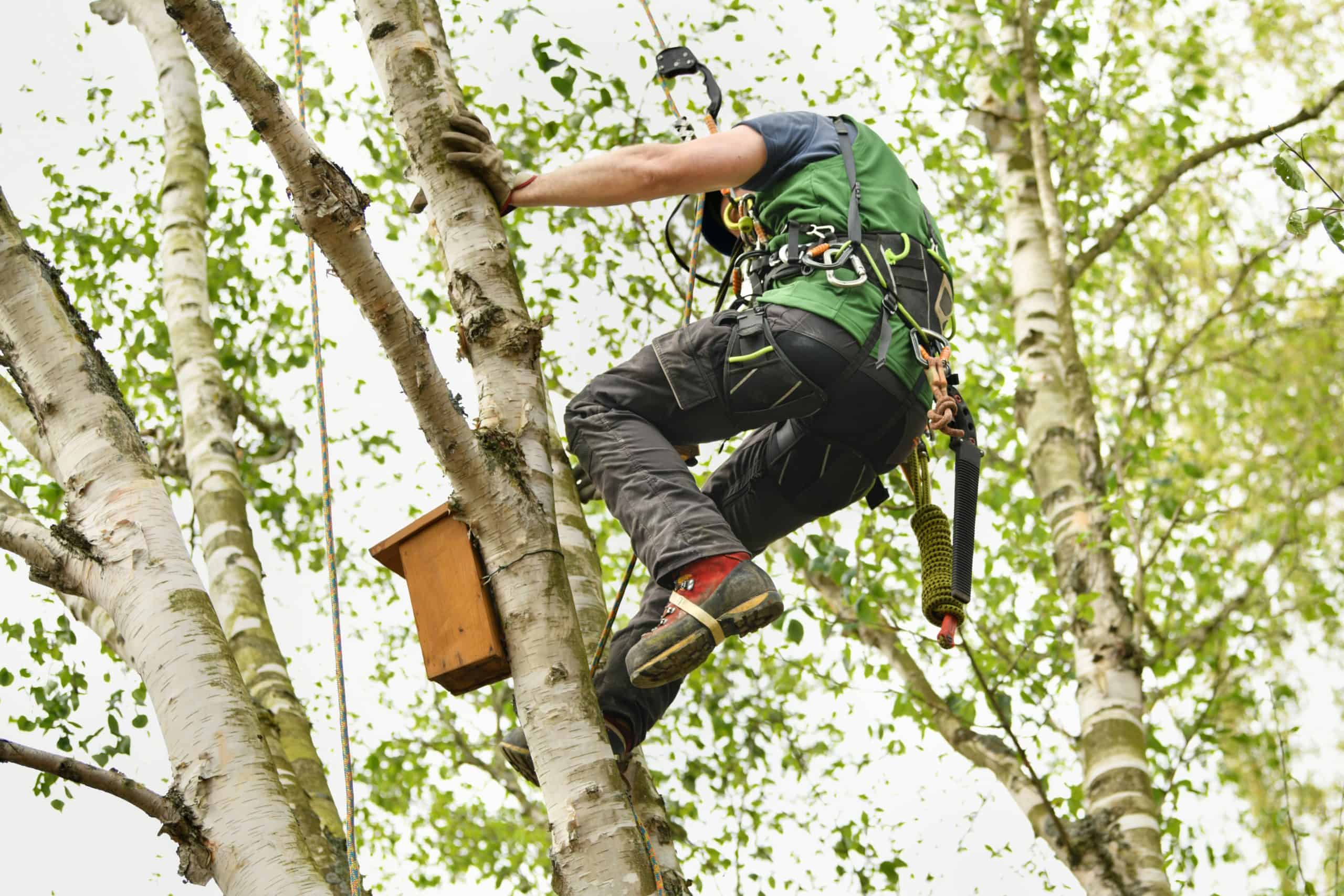
Tree removal looks simple from the outside, but it is not. Professional removal is a planned, methodical process that involves working through the tree piece by piece with rigging and safety protocols that account for everything nearby: your roof, your fence, your neighbor’s property, and the power lines overhead.
The difference between a crew that knows what they are doing and one that doesn’t shows up in the planning phase before the first cut. That is why the assessment matters as much as the removal itself.
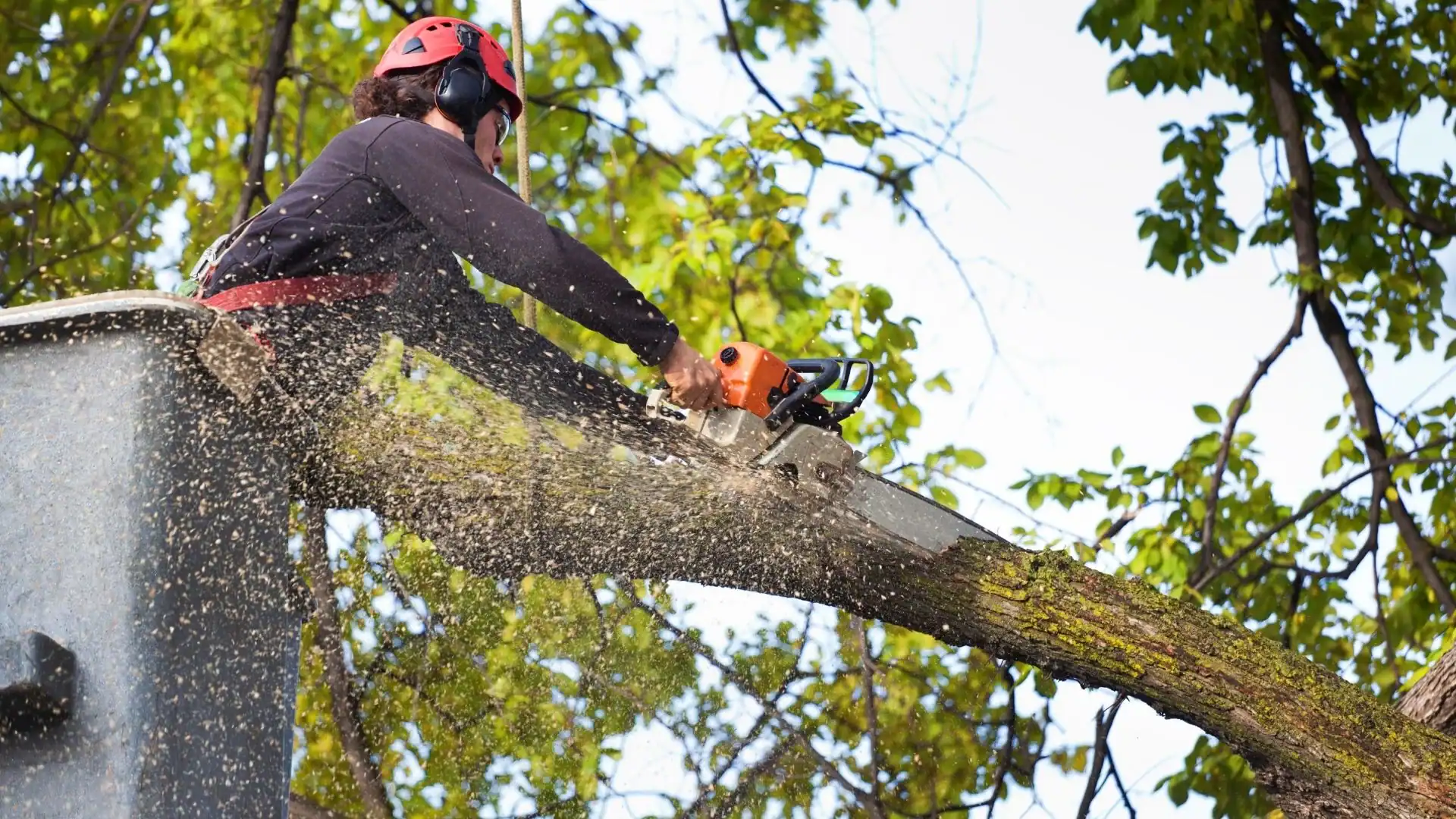
A proper tree removal starts with a site assessment rather than a phone estimate. Someone who knows trees needs to look at the tree in person to check its height, lean, wood condition, fall zone, and proximity to structures. That assessment shapes everything else, including the approach, equipment, timeline, and cost.
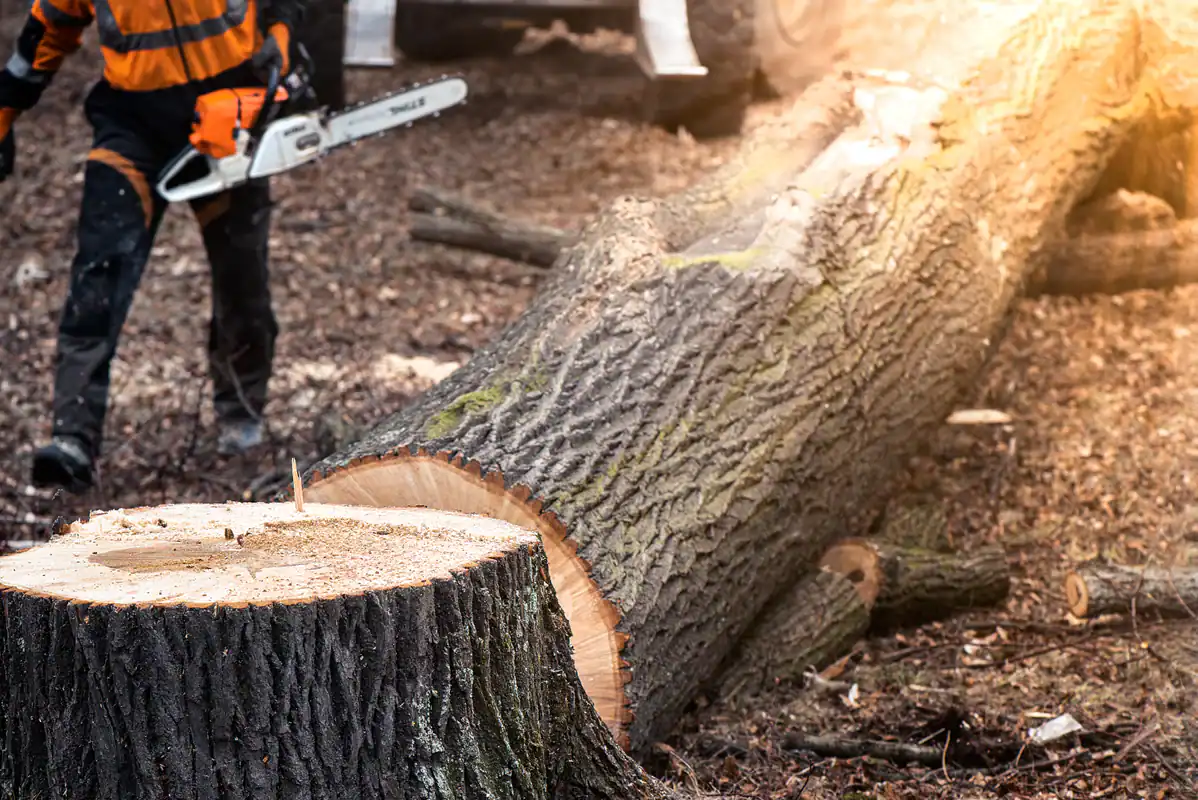
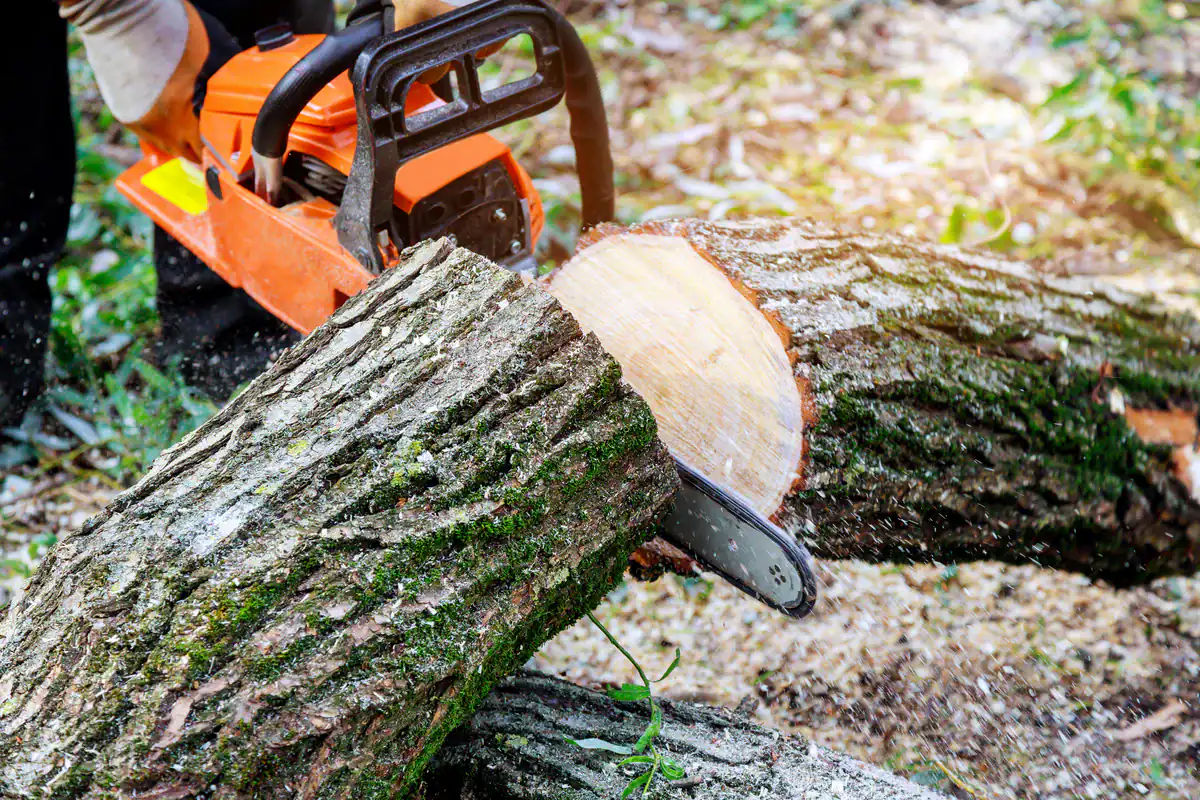
From there, the job involves removing the tree in sections, starting with limbs and moving down to the trunk in manageable pieces toward the stump. Debris, such as branches, brush, and wood, gets cleared as the job progresses. When we finish a job, the yard is clean, leaving no piles for you to deal with and no wood scraps scattered across the lawn.
If you want to keep the wood or the chips, just say so before we start. Otherwise, everything goes.
One detail worth knowing upfront is that stump grinding is a separate service from tree removal. It is not automatically included, and it is one of the most common sources of surprise on a final invoice when a homeowner assumes it is part of the base job. We bring this up at the quote stage because it matters, especially if you plan to do anything with that space afterward.
You cannot lay sod, install a paver patio, or plant a garden bed where a stump and its root system remain in the ground. Stump grinding provides the clean slate you need.
We carry full liability insurance and workers’ compensation, and we hand over the certificate before a single branch comes down. That is a crucial safeguard. Workers’ comp specifically protects you; if a crew member is injured on your property and the company lacks coverage, you can be held liable. It is always worth asking for that documentation from any tree service company you consider.
This is the question most homeowners ask when they search for tree removal. They suspect something is wrong, but they are unsure if they are looking at a removal job or a trimming job, and they are wary of being steered toward the more expensive option unnecessarily.
That wariness is reasonable because the industry has a real upsell problem. Some companies default to removal because it is a bigger job, regardless of whether the tree needs to come out.
An honest assessment from someone who is ISA certified, meaning they have passed a comprehensive exam on tree biology, structural assessment, disease diagnosis, and safe removal practices, is the only way to get a straight answer. Our owner is an ISA Certified Arborist with more than 15 years of experience, and the person who shows up to assess your tree is the most qualified person on the job, not a sales rep or a laborer, but the arborist.
When we look at a tree, we evaluate the condition of the wood, the structural integrity of the canopy, the root system, proximity to structures, and whether there is a realistic path to keeping it healthy. If trimming solves it, we will tell you that. We have said it before and we will say it again: we don’t push removal when it isn’t needed.
That said, situations exist where removal is clearly the right call and waiting makes it worse. A dead ash tree standing for two seasons is more brittle and unpredictable than one that came down last year. A tree with significant internal decay that is not visible from the ground can fail without warning. A tree leaning toward your roof after a storm will not correct itself.
In those cases, the honest answer is to take it down cleanly, safely, and with a plan for what the yard looks like afterward. We have removed more than 1,200 trees across the Kansas City metro area with a 100% safety record. That number matters because it reflects the planning that goes into every job, not just the ones that look complicated on the surface.
If you are in the middle of this decision, whether it involves an ash tree taken by the EAB, a silver maple fighting your yard redesign, or a tree you simply aren’t sure about, the best first step is a straight assessment from someone who knows what they are looking at.
You don’t have to commit to anything to get a quote. Most quotes happen the same day you call, they are always free, and there is no pressure to sign on the spot. You will walk away knowing what you are dealing with, which is usually the hardest part.
SQUIRREL MASTER TREE SERVICES LLC has been doing this work across the Kansas City metro for over a decade, serving homeowners on both sides of the state line from Kansas City, MO to Overland Park, Olathe, Lenexa, and Leawood. If you are ready to talk through what is happening in your yard, reach out, and we will give you a straight answer.
Summary:
Article details:
Share: