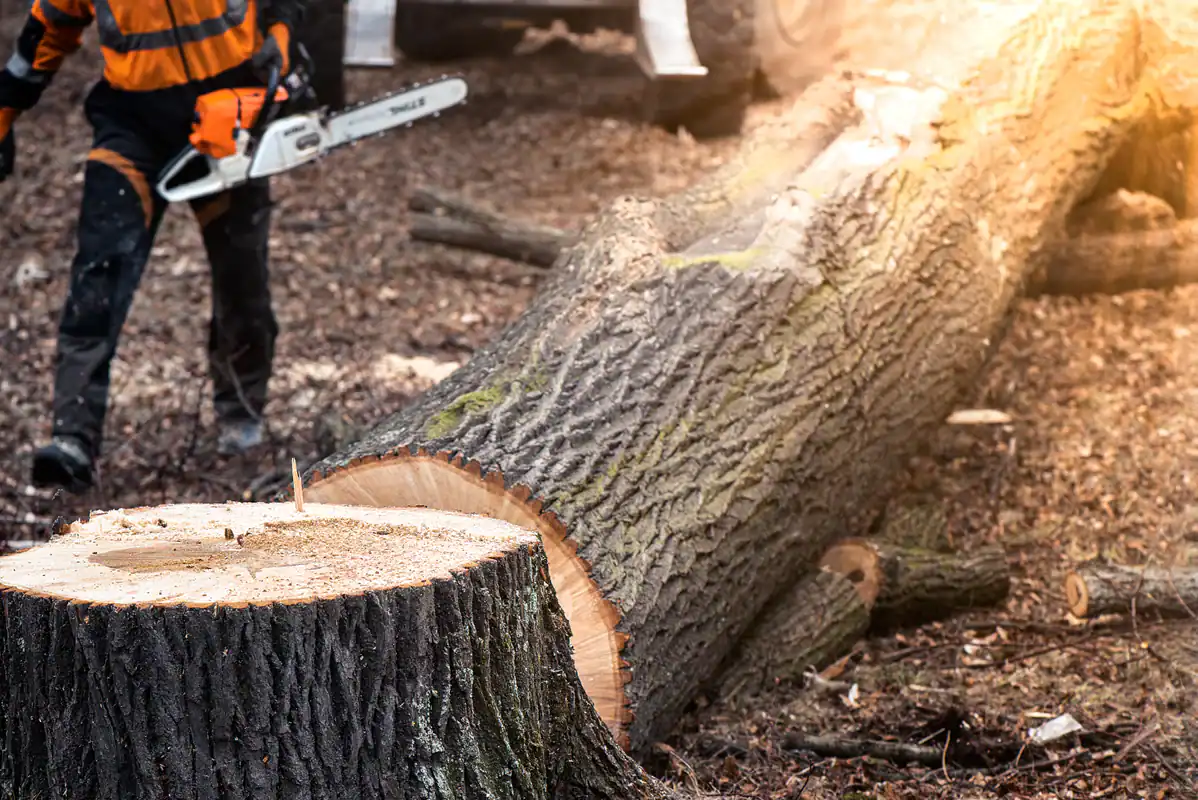
Most Kansas City homeowners only think about tree removal after something goes wrong. Here's why acting earlier is the smarter move — and what to look for.
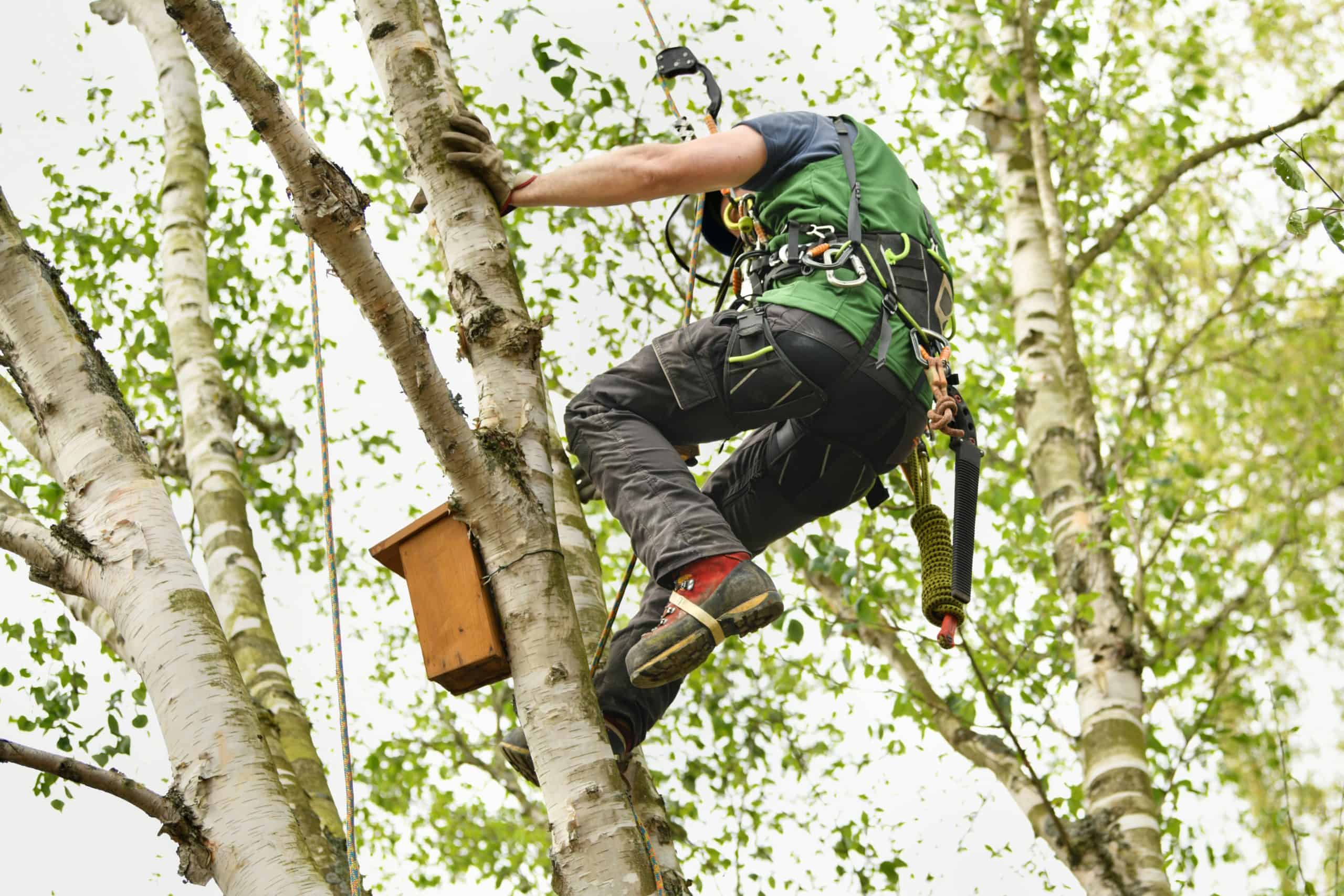
There’s a version of this story that plays out every spring and winter across Kansas City. A storm rolls through, a limb comes down, and a homeowner is suddenly on the phone trying to find someone — anyone — to come out fast. The tree was on their radar. They just kept putting it off.
More Kansas City homeowners are starting to flip that script. Instead of waiting for a weather event to force the call, they’re getting a professional assessment before anything goes wrong. It’s a smarter approach, and once you understand what’s actually at stake, it’s hard to argue with.
Kansas City’s most beloved neighborhoods — Brookside, Waldo, Hyde Park, Midtown, the Northland — are defined in part by their tree canopies. These are mature, established trees, and many of them have been growing for 60, 80, even 100 years. That’s part of what makes these neighborhoods feel the way they do.
But age changes a tree. What looks healthy from the sidewalk can be structurally compromised in ways that aren’t visible until something fails. In Kansas City, where spring tornadoes, summer straight-line winds, and January ice storms are regular occurrences, “waiting to see” carries real financial risk — and safety risk.
Kansas City sits in a part of the country where the weather doesn’t give trees much of a break. Spring brings tornado season — April and May are the highest-risk months for the Kansas City metro. Summer thunderstorms regularly produce straight-line winds that exceed 60 or 70 miles per hour. And winter ice storms, particularly in January and February, are a recurring hazard that most people underestimate.
Ice is especially deceptive. A tree that looks perfectly fine in November can be carrying hundreds of extra pounds of ice by February. That added weight doesn’t just stress branches — it exploits whatever structural weakness already exists in the trunk, the crotch, or the root system. Trees that were borderline before an ice storm often don’t survive one.
Kansas City’s soil adds another layer to this. The clay-heavy ground that’s common across the metro produces shallower root systems than most homeowners expect. A tree that appears firmly rooted can actually have a root structure that’s much more vulnerable to wind throw than it looks. That’s not something you can assess from your driveway.
The emerald ash borer has hit the Kansas City metro hard over the last decade. Ash trees that were once a dominant part of the street tree landscape in neighborhoods like Brookside and Waldo have been dying at scale. The problem with a dead ash tree isn’t just that it’s dead — it’s that ash becomes extremely brittle within two to three years of dying. A tree that seemed manageable in year one can be a serious falling hazard by year three.
Bradford pear trees are another local factor worth mentioning. They were planted widely across Johnson County suburbs through the 1990s and early 2000s, and they’re now reaching the age at which they commonly split — usually at the crotch, usually under ice or wind load, and usually in a direction no one planned for.
This is the question most homeowners are really asking when they start researching tree removal. And it’s a fair one, because the honest answer is: it depends on factors you probably can’t evaluate on your own.
There are visible signs that warrant a professional look. A significant lean that wasn’t there before. Cracks or splits in the trunk or major limbs. Bark that’s peeling away in large sections, or patches where the bark is missing entirely. Fungal growth at the base of the tree. Dead branches that aren’t dropping — they’re just sitting there, waiting. Any of these can indicate structural compromise, internal decay, or root damage.
But here’s what makes this genuinely tricky: some of the most dangerous trees look fine. Internal decay doesn’t always show on the surface. Root damage from construction, soil compaction, or disease can be extensive before any above-ground symptoms appear. A tree that passes a casual visual inspection can still be a significant hazard.
That’s exactly why the assessment matters as much as the removal itself. An ISA Certified Arborist — someone who has passed a comprehensive credentialing exam through the International Society of Arboriculture — is trained to evaluate what you can’t see from the ground. The title “arborist” alone doesn’t mean much; anyone can use it. The ISA certification is what separates a trained professional from someone with a chainsaw and a truck.
Not every tree that gets assessed needs to come down. Sometimes a targeted trim, a structural cable, or a crown reduction addresses the problem without removal. We’ll tell you which situation you’re actually in — not which one is more profitable for us. That’s just how we work.
Want live answers?
Connect with a Squirrel Master Tree Services LLC expert for fast, friendly support.
Proactive removal isn’t complicated. It means getting a professional assessment of the trees on your property before something forces your hand — before the storm, before the branch comes down, before the insurance claim.
The process starts with a site visit. We walk your property, evaluate each tree of concern, and give you a straight answer about what’s there. From that point, you have options — and time to make a thoughtful decision rather than an emergency one.
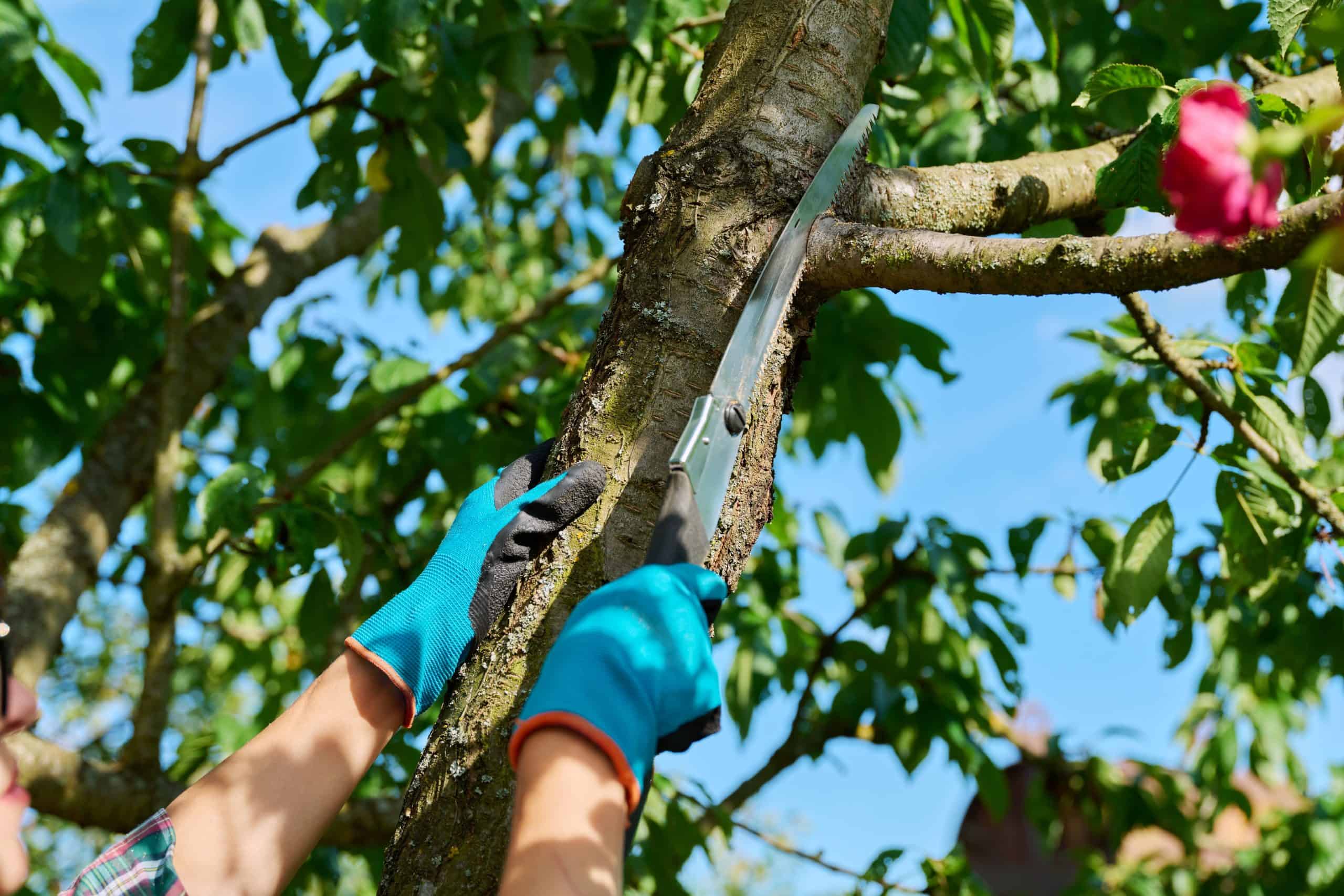
This is one of the most common sources of confusion — and frustration — in the tree service industry. When you get a tree removal quote, it’s worth asking exactly what’s included, because not every company handles this the same way.
A complete tree removal means the tree comes down in sections, the wood and debris are removed from the property, and the site is cleaned up. Every job we do ends with a full cleanup — no wood piles, no branch scraps, no mess left behind. That’s not an upgrade. It’s just how the job should be done.
Stump grinding is a separate service, and we want to be upfront about that before you get a quote. The stump — the portion of the trunk that remains in the ground after the tree is cut — requires different equipment and additional time to address. Some homeowners want it gone immediately; others are fine leaving it for now. Either way, it’s worth asking about at the time of your estimate so there are no surprises on the invoice.
Land clearing is another service that comes up for homeowners with larger properties or wooded lots, particularly in areas along the outer edges of the Kansas City metro. If you’re dealing with multiple trees, overgrown sections, or a lot that needs to be cleared for construction or landscaping, that’s a different scope of work than a single-tree removal — and it should be quoted accordingly.
If stump grinding is something you want done, fall is generally the best window before the ground freezes. Once the soil hardens through a Kansas City winter, grinding becomes more difficult. It’s not impossible, but scheduling it alongside or shortly after the removal is usually the more efficient path.
This question comes up often, and the answer genuinely depends on where you are and what kind of tree you’re dealing with.
In Kansas City, Missouri, private property removals generally have fewer restrictions than street trees or trees in the public right-of-way. Kansas City’s municipal code governs trees along public streets and city-owned property, but most residential removals on private land don’t require a permit in straightforward situations. Trees over eight inches in diameter can trigger permit requirements in certain zones, and if you’re in a historic district, the rules may be stricter.
Emergency and hazardous tree removals — situations where a tree poses an immediate safety risk — are typically exempt from standard permit requirements. That said, documentation is still a good idea. Photos of the hazard, combined with a written assessment from a certified arborist, create a clear record if any questions come up later.
On the Kansas side of the Kansas City metro, it varies by municipality. Overland Park doesn’t require permits for private residential removals. Other Johnson County cities have their own rules. And HOA communities — which are common throughout the Kansas suburbs — often require architectural committee approval before removal can proceed, with a typical review window of two to four weeks. Dead or hazardous trees are usually exempt from that process, but it’s worth checking your HOA documents before scheduling work.
If you’re not sure what applies to your property, ask. We operate on both sides of the state line and have been doing this work across the Kansas City metro for over a decade, so we know the local landscape. We can help you figure out what’s required before any work begins, so there are no surprises from the city or the HOA after the fact.
The honest answer is: before you feel like you have to. The homeowners who end up in the best position are the ones who got a professional set of eyes on their trees before a storm made the decision for them. That’s true whether you’re in a mature Northland neighborhood with 80-year-old oaks, a Johnson County suburb with aging Bradford pears, or anywhere in between.
Proactive removal isn’t about cutting down trees that don’t need to come down. It’s about knowing what you’re actually dealing with — and having time to act on that information thoughtfully. An honest assessment might tell you the tree is fine. It might tell you a trim is all that’s needed. Or it might tell you something you’d rather know now than find out during the next ice storm.
If you have a tree on your property that’s been on your radar, we offer free, same-day assessments across the Kansas City metro — on both sides of the state line. Our owner is an ISA Certified Arborist, which means the person walking your property and giving you a straight answer is the most qualified one on the job. Reach out to SQUIRREL MASTER TREE SERVICES LLC and we’ll take a look.
Summary:
Article details:
Share: