Most homeowners call a tree company after something goes wrong. Here's why the ones who don't end up spending less — and worrying less.
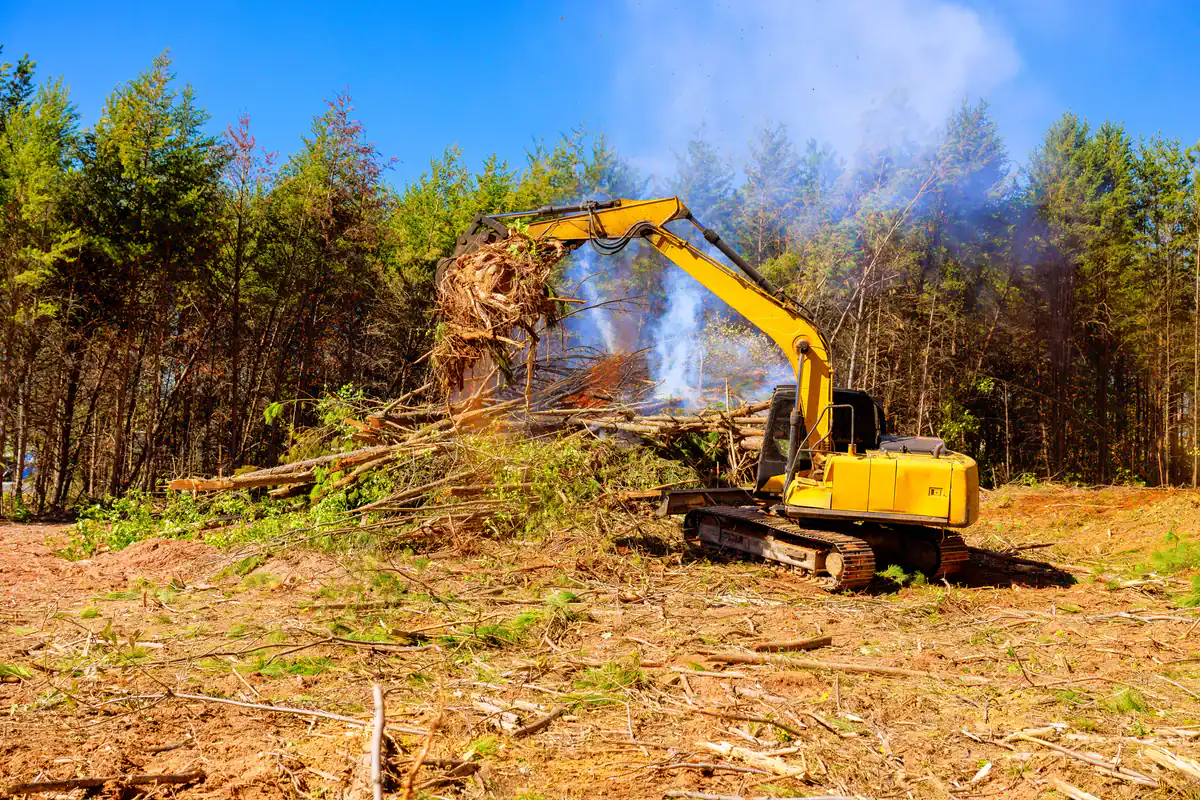
Most people don’t think about their trees until something forces them to. A branch comes down in a storm. A stump starts attracting bugs. A neighbor says something. By that point, the job is bigger, more urgent, and more expensive than it needed to be.
If you live in the Kansas City area, you already know the weather here doesn’t give you much warning. Spring storms roll in fast, ice coats everything in January, and summer heat stresses trees that looked perfectly fine in April. A comprehensive tree service plan isn’t a luxury — it’s just smarter than the alternative. Here’s what that actually looks like, and why more local homeowners are making the shift from reactive to proactive.
A comprehensive tree service plan isn’t a single visit or a one-size-fits-all package. It’s an approach — one that treats your trees as a long-term part of your property rather than a problem you deal with when it gets bad enough.
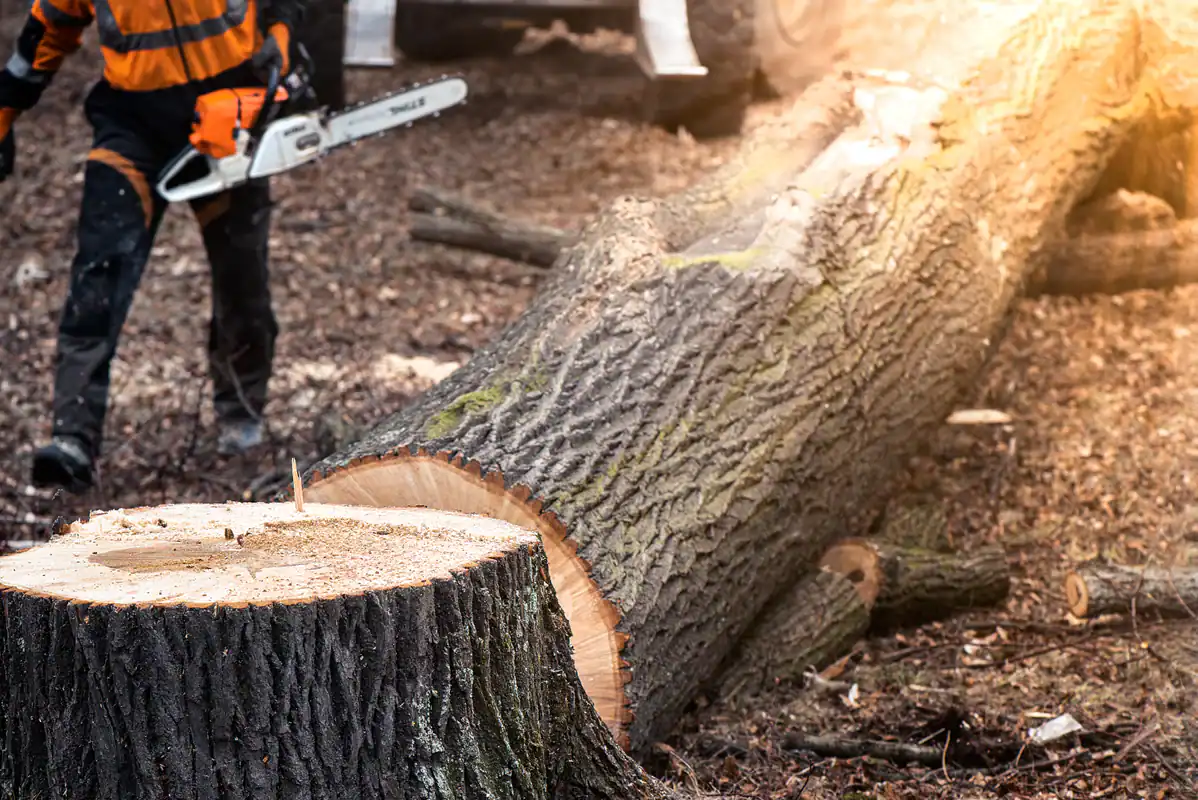
At its core, it covers the full picture: regular tree trimming to remove dead wood and reduce storm risk, tree removal when a tree is genuinely past saving, stump grinding to close the loop after a removal, and periodic inspections to catch problems before they become emergencies. The goal is to stay ahead of the Kansas City storm calendar instead of scrambling after it.
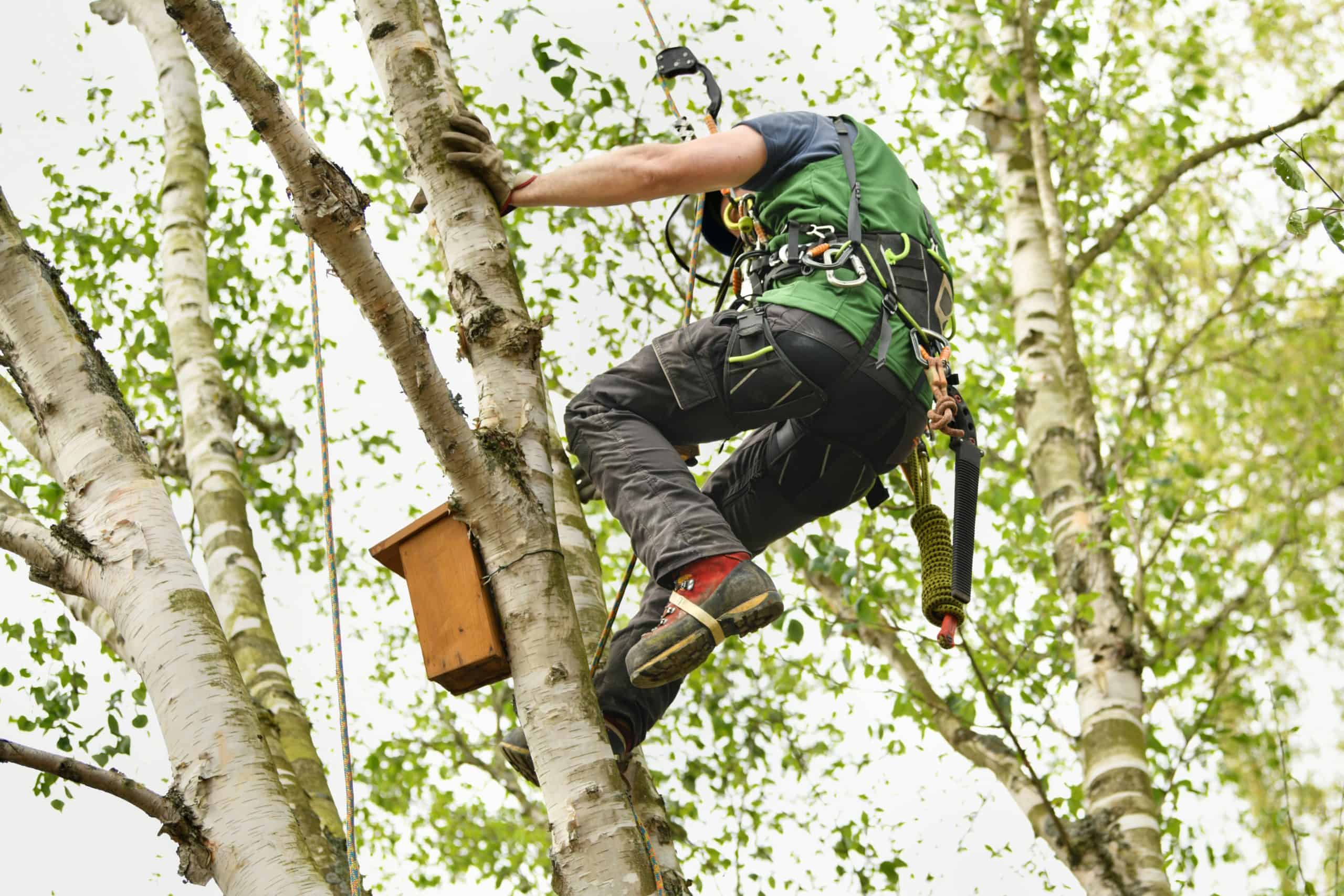
A lot of homeowners think of tree trimming as the arborist equivalent of a haircut — something you do when things look overgrown. But professional pruning is really about structural integrity and storm readiness, and in a metro that averages 40 to 60 thunderstorm days per year, that distinction matters.
Dead wood doesn’t just look bad. It becomes a projectile in a high-wind event. A dense, unpruned canopy catches wind like a sail, putting enormous stress on the root system and the trunk. Thinning the canopy reduces that resistance. Removing crossing or rubbing branches prevents the kind of slow structural damage that shows up as a crack or a lean three years later.
Bradford pear trees are a good example of why this matters locally. They’re everywhere in Kansas City neighborhoods — Brookside, Waldo, the suburbs of Johnson County — and they’re structurally prone to splitting right down the middle. Most arborists will tell you it’s a matter of when, not if. Regular trimming can extend the life of a Bradford pear and reduce the odds of it splitting onto your fence or your car during an April storm. Once it goes, it goes fast, and the removal job is significantly more involved than a scheduled trim would have been.
The same logic applies to mature oaks, silver maples, and the ash trees that have been quietly weakened by the Emerald Ash Borer across Johnson County since 2013. An ash tree can look completely healthy on the outside while being structurally compromised on the inside. That’s not something you can spot from the driveway. It takes someone who knows what to look for — and knows what to do about it.
Trimming on a regular cycle, ideally before storm season ramps up in the spring, keeps your trees healthier and your property safer. It also tends to cost considerably less than the emergency removal call you’d make after a limb comes through your roof.
After a tree comes down, a lot of homeowners figure the hard part is done. The stump sits there, nobody trips on it, and it slowly fades into the background. But leaving a stump in the ground is not a neutral choice — it’s an ongoing problem that tends to get worse the longer you wait.
Untreated stumps are prime real estate for termites and carpenter ants. Both species are active in the Kansas City metro, and a decaying stump gives them exactly what they need: soft, moist wood close to the soil surface. Once a colony establishes in a stump, it doesn’t always stay there. From the stump, they move. That’s a risk you don’t want close to your foundation or your fence line.
There’s also the disease angle. Fungal infections can take hold in a rotting stump and spread through the root system to trees nearby. If you have a healthy oak or maple within a reasonable distance of that stump, you’re giving a potential infection a direct path to it.
Beyond pests and disease, there are practical concerns. Many HOAs in the Kansas City suburbs — Overland Park, Lenexa, Leawood — have rules about stumps and unmaintained yard features. A stump that’s been sitting for a season or two can quietly become a compliance issue. And from a property value standpoint, a yard with visible stumps reads as neglected, even if everything else is well-kept.
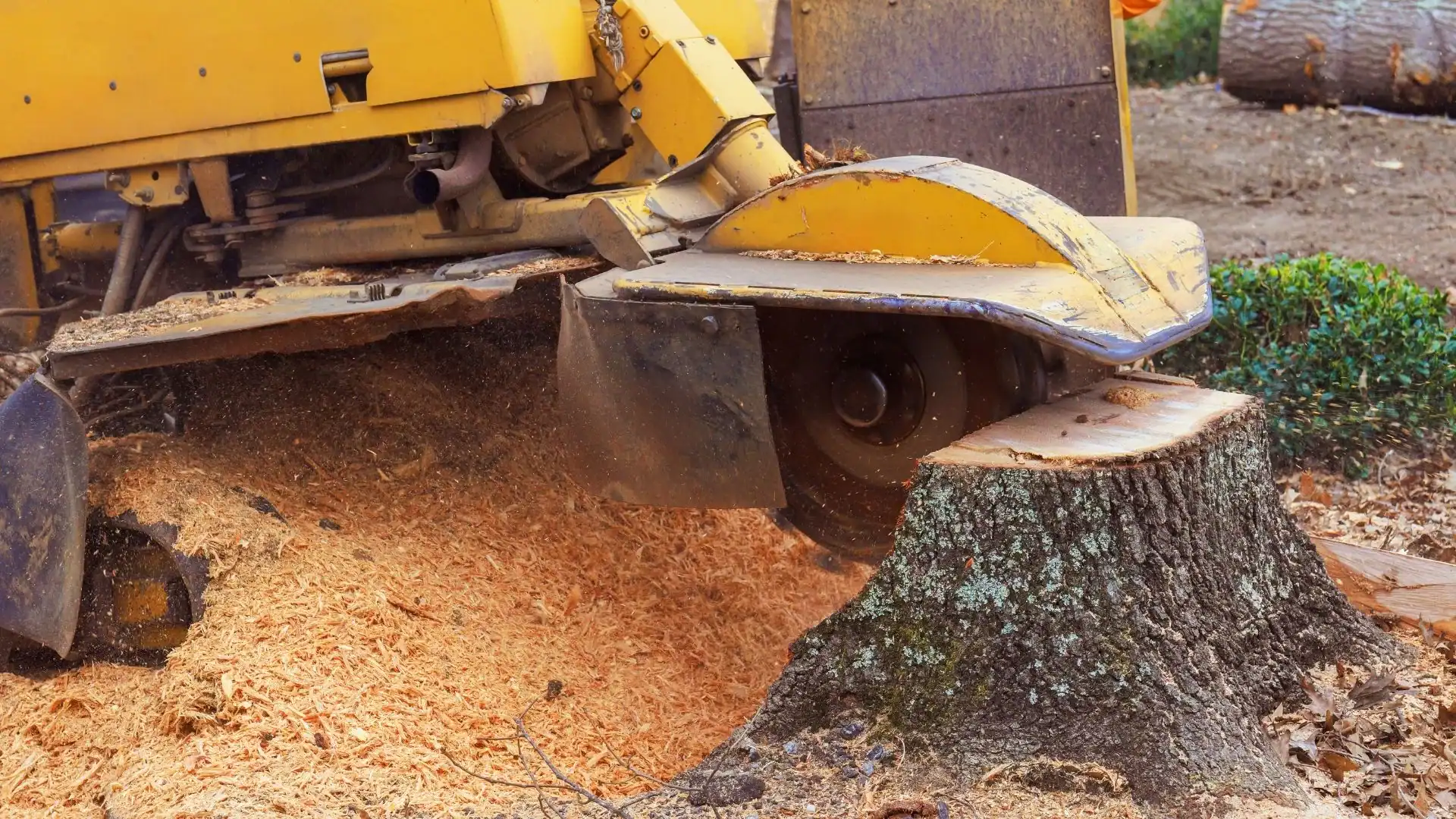
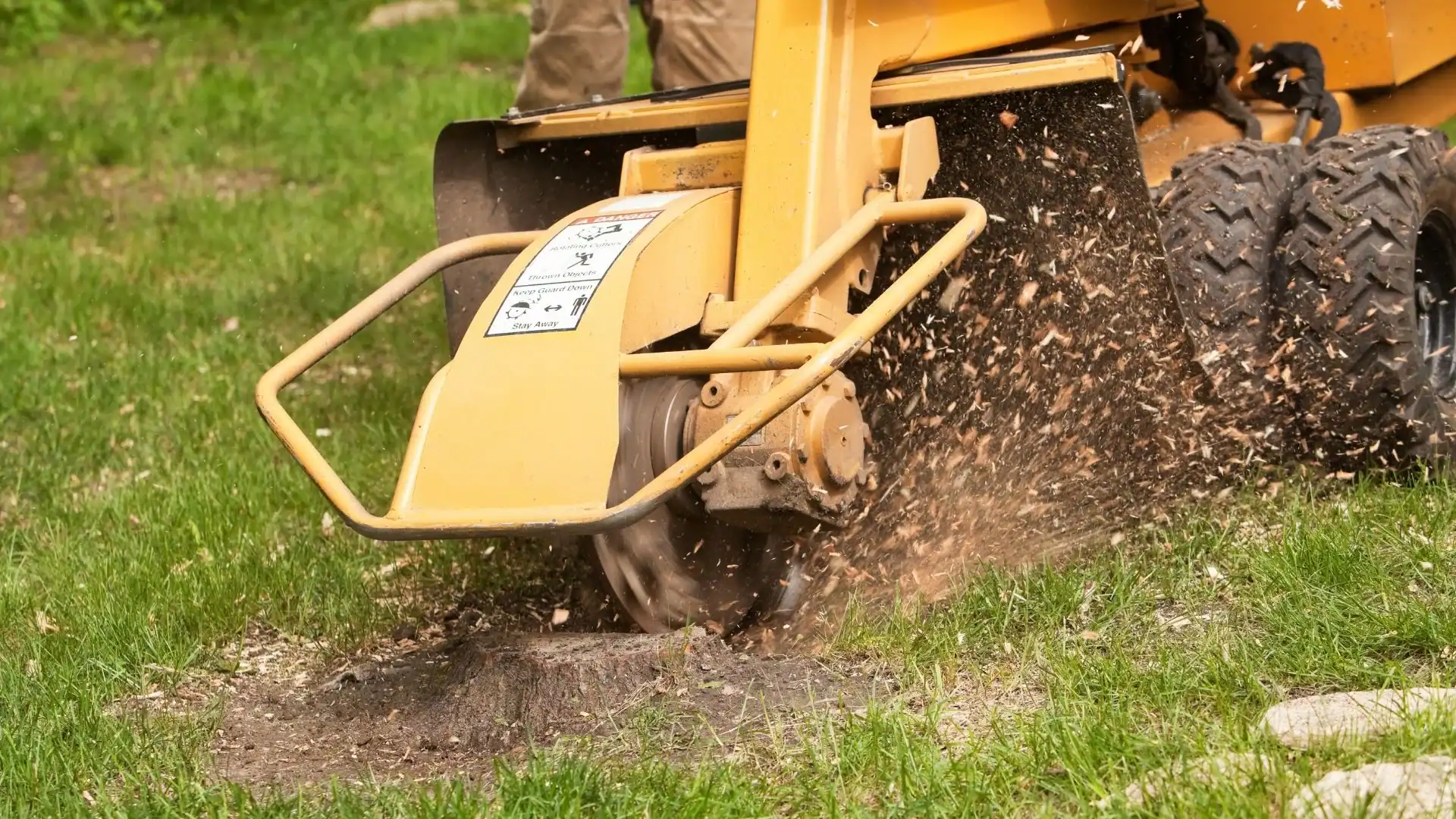
Professional stump grinding removes the stump 6 to 12 inches below the surface. That’s deep enough to allow for replanting, overseeding, or simply reclaiming the space as usable yard. The grinding process leaves wood chips behind that can be raked in or removed — either way, the area is level, clean, and ready for whatever comes next.
Stump grinding is most efficiently done as part of a broader tree service plan, not as a standalone emergency call six months after the tree came down. Scheduling it alongside a removal or as part of a seasonal service visit keeps the cost and the disruption manageable.
Want live answers?
Connect with a Squirrel Master Tree Services LLC expert for fast, friendly support.
The Kansas City, MO metro has no shortage of tree service companies. Some are excellent. Some are not. And when you’re standing in your yard looking at a tree that concerns you, it can be genuinely hard to know the difference.
The most important thing to understand is that the person making the call on your tree — whether it needs to come down, whether a trim is sufficient, whether there’s a structural issue worth monitoring — should be qualified to make that call. That means an ISA Certified Arborist, not just someone with experience and a good truck.
The ISA Certified Arborist credential is issued by the International Society of Arboriculture and is widely recognized as the professional standard in tree care. Earning it requires a minimum of three years of documented, full-time work in arboriculture — not just general landscaping, but specifically in tree care. After that, candidates sit for a 200-question proctored exam covering tree biology, soil management, plant health, risk assessment, and safety. It is not a casual credential.
More than 25,000 arborists hold active ISA certification worldwide, and maintaining it requires 30 continuing education units every three years. The Missouri Department of Conservation specifically recommends hiring companies with ISA-certified professionals on staff — not because it’s a nice-to-have, but because tree assessment is a technical skill with real consequences when it’s done wrong.
Here’s what that means for you practically: when an ISA Certified Arborist looks at your tree, they’re not guessing. They’re applying a trained understanding of how trees fail, what internal decay looks like, how root systems respond to Kansas City’s heavy clay soils, and whether a given defect is a monitor-and-trim situation or a remove-before-it-falls situation. That assessment directly affects what you spend and whether your property stays safe.
At Squirrel Master Tree Services LLC, the owner is the arborist. When we come out to assess your tree, you’re not getting a sales estimate from someone whose job is to upsell removal. You’re getting a 15-plus-year ISA Certified Arborist who has removed more than 1,200 trees with a 100% safety record — and who will tell you honestly whether removal is actually necessary or whether a trim solves the problem.
One question we hear often is whether homeowner’s insurance covers tree removal. The short answer is: sometimes, and it depends on the circumstances. Insurance typically covers removal when a tree falls on a covered structure — your house, your garage — as a result of a storm or other covered event. It generally does not cover the removal of a tree that’s still standing but poses a risk, even if that risk is obvious. This is one reason proactive tree care matters: getting ahead of a hazardous tree before it becomes a claim is almost always the better financial outcome.
Another common question is whether you need a permit to remove a tree in Kansas City, MO. For most private residential trees, no permit is required. However, there are exceptions for certain protected or heritage trees, and some municipalities within the Kansas City metro have their own codes. If you’re in a neighborhood with an active HOA, there may be notification requirements as well. When in doubt, it’s worth a quick check — and we can help you navigate that conversation.
People also ask how often their trees should be trimmed. There’s no single answer, because it depends on the species, the age of the tree, and its location relative to your home and power lines. As a general rule, most mature trees benefit from a professional inspection every two to three years, with trimming on a cycle that reflects their growth rate and structural condition. Fast-growing species like silver maples may need more frequent attention. Slower-growing oaks can often go longer between visits. The key is having someone who knows the difference make that call.
Finally, homeowners frequently ask how to tell if a tree is actually dangerous. The honest answer is that many of the most serious warning signs aren’t visible to the untrained eye. Surface cracks, unusual lean, fungal growth at the base, and dead wood in the upper canopy are all things you can watch for. But internal decay, root damage, and the kind of structural weakness caused by the Emerald Ash Borer in ash trees across the Kansas City metro — those require a professional assessment. If a tree is within falling distance of your home, your fence, or a neighbor’s property, an inspection is worth scheduling before the next storm season starts.
Kansas City’s weather is not forgiving, and trees that haven’t been properly maintained tend to make that very clear during a spring storm or an ice event. The homeowners who come out of those situations with the least damage and the smallest bills are almost always the ones who weren’t caught off guard — because they had a plan in place before the season hit.
A comprehensive tree service plan doesn’t have to be complicated. It starts with an honest assessment from someone qualified to give one, followed by a trimming and inspection schedule that fits your property and your trees. Stump grinding, tree removal when it’s genuinely needed, and storm-season check-ins round out the picture.
If you’ve been putting off a tree concern or you’re not sure where your property stands heading into the next storm season, reach out to Squirrel Master Tree Services LLC. We serve homeowners across the Kansas City metro on both sides of the state line, and we’ll give you a straight answer — not a sales pitch.
Summary:
Article details:
Share: