Clearing land in Kansas City involves more than cutting down trees. Here's what the process looks like, and what to watch out for before you start.
You’ve got a plan for your property. Maybe it’s a new garage, a home addition, a backyard renovation, or a full lot you’re preparing for construction. The land is there. The trees and brush are in the way. And now you’re trying to figure out where to start, who to call, and if this is going to turn into a bigger headache than it’s worth.
That uncertainty is completely normal. Land clearing is one of the more misunderstood services in the home improvement space, and in the Kansas City metro, where wooded lots, clay soils, and spring storms are all part of the picture, getting it right matters more than most people realize. Here’s what you need to know.
A lot of homeowners come into land clearing thinking it’s basically tree removal. Cut the trees, haul them away, done. In reality, the tree cutting is just the beginning.
A proper land clearing job also includes stump grinding, root management, brush removal, and debris cleanup (all the work that happens after the trees come down). Skipping any of those steps doesn’t just leave your lot looking unfinished. It creates real problems down the road: stumps that regrow, roots that interfere with foundations, and drainage issues that show up after the first heavy rain.
The goal of land clearing isn’t just to remove what’s there. It’s to leave the site in a condition that’s usable for whatever comes next.
Before any equipment rolls onto your property, a well-run clearing job starts with a site walk. That means someone looks at what’s there (including the type and density of vegetation, the terrain, and the proximity to structures, fences, and neighboring trees) and thinks through the clearing plan before anything gets cut. This step matters more than most people give it credit for.
The clearing approach depends heavily on what you’re doing with the land afterward. A lot being prepped for a new home needs a different level of clearing than a backyard section being opened up for a deck or a patio. Full clearing removes everything, including stumps and root systems. Selective clearing, which is often the better choice for residential properties, takes out specific trees and brush while preserving what you want to keep.
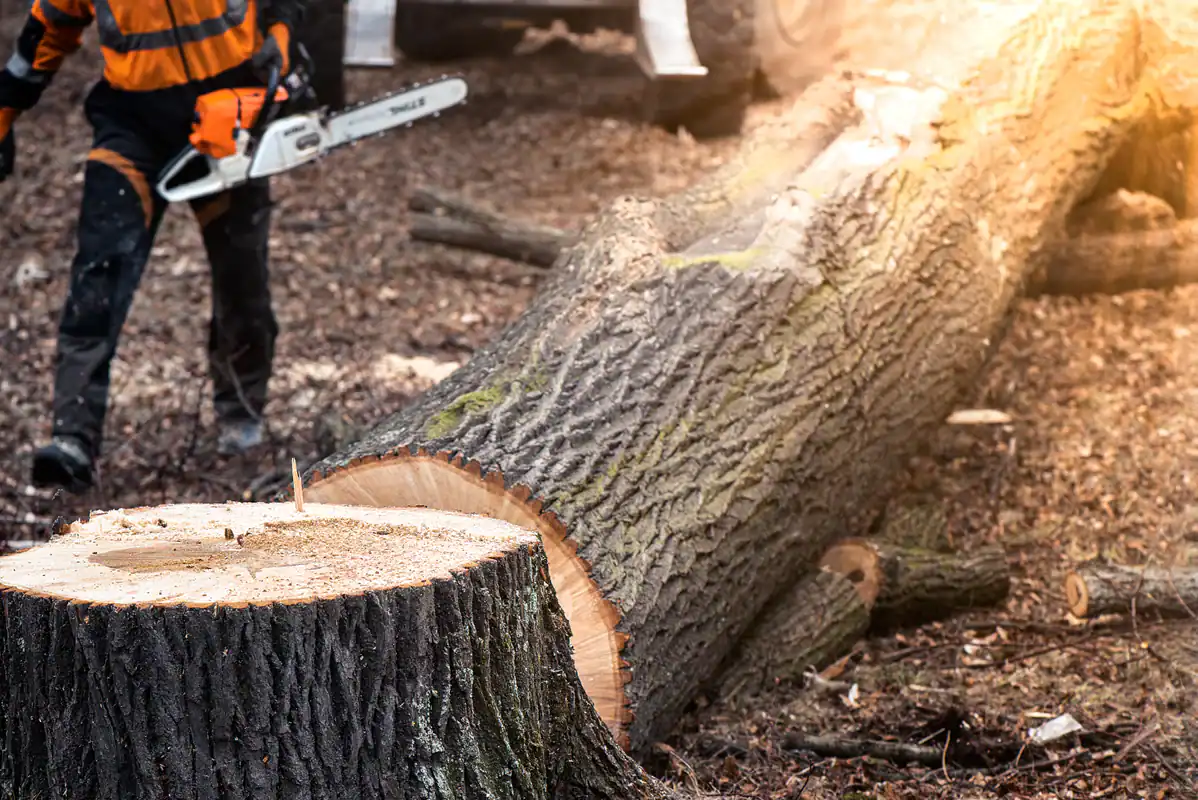
Once the trees are down, stump grinding addresses what’s left below the surface. In Kansas City, where native hardwoods like oak, maple, and elm are common, root systems run deep and wide. If stumps aren’t properly ground out, they regrow, and the roots left in the ground can create problems for anything you’re trying to build or plant nearby.
After the stumps are handled, brush and debris get removed from the site. A professional clearing crew doesn’t just push everything into a pile and leave; the site should be neat, clean, and ready for the next phase of your project when the crew walks away. That’s the standard, not a bonus.
The whole process moves faster than most people expect. A professional team can clear an acre in as little as a few hours under the right conditions, though heavily wooded or uneven terrain naturally takes longer.
This is one of the most common questions we hear, and it’s a fair one, especially in the Kansas City metro, where Missouri regulations, Kansas regulations, county requirements, and local municipal ordinances can all come into play depending on exactly where your property sits.
In Missouri, a construction land disturbance permit is required when you’re clearing one or more acres of land. That threshold applies broadly, and it’s not something you want to discover after work has already started. Clay County, for example, specifically requires a land disturbance permit for clearing at or above that one-acre mark. If your property is near a waterway, a creek corridor, or a conservation area (and there are plenty of those throughout the Kansas City metro), there may be additional environmental review involved through the Missouri Department of Natural Resources.
For smaller residential projects under an acre, a state-level permit may not be required, but local municipal requirements can still apply depending on your city or neighborhood. The safest approach is to confirm permit requirements before scheduling any work, not after.
This is one area where hiring a contractor who knows the Kansas City market makes a real difference. We’re familiar with local requirements and can help you understand what applies to your specific property and make sure the project moves forward without regulatory surprises. If you’re on the Kansas side of the metro in Overland Park, Olathe, or Lenexa, the rules differ, which is another reason local knowledge matters here.
Permit costs nationally average in the range of $175 to $500, but the bigger cost of skipping the permit process is the delay and potential fines if work has to stop mid-project.
Want live answers?
Connect with a Squirrel Master Tree Services LLC expert for fast, friendly support.
The land clearing market has a low barrier to entry. Anyone with a chainsaw and a truck can show up and call themselves a land clearing service. That’s just the reality, and it’s worth knowing before you start collecting quotes.
What separates a contractor who leaves your lot better than they found it from one who creates new problems while solving the old ones usually comes down to a few things: genuine tree expertise, proper licensing and insurance, and a clear scope of what’s included in the job. The cheapest bid often looks less appealing once you understand what it doesn’t include.
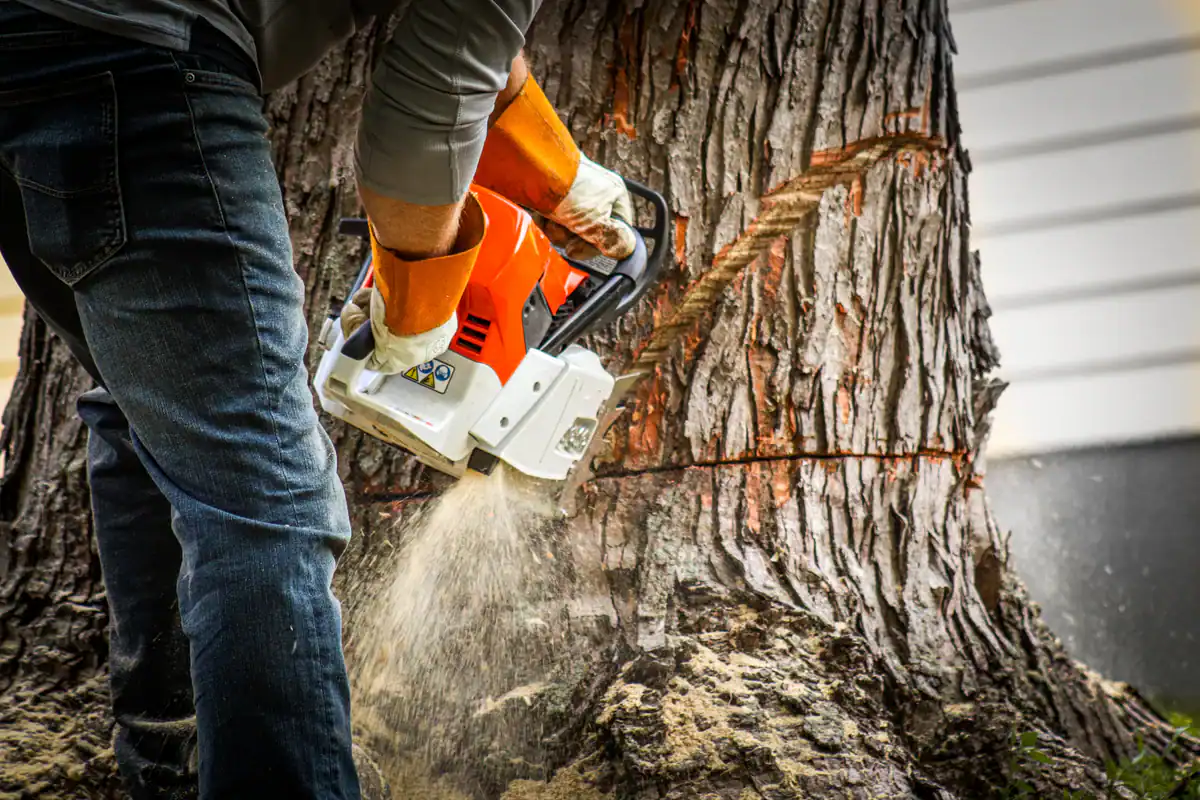
Most land clearing companies are equipment operators. They’re good at moving machinery and getting vegetation out of the way. What they’re not always equipped to do is make informed decisions about which trees should come down and which ones should stay, and what the implications are for the trees, structures, and drainage patterns around them.
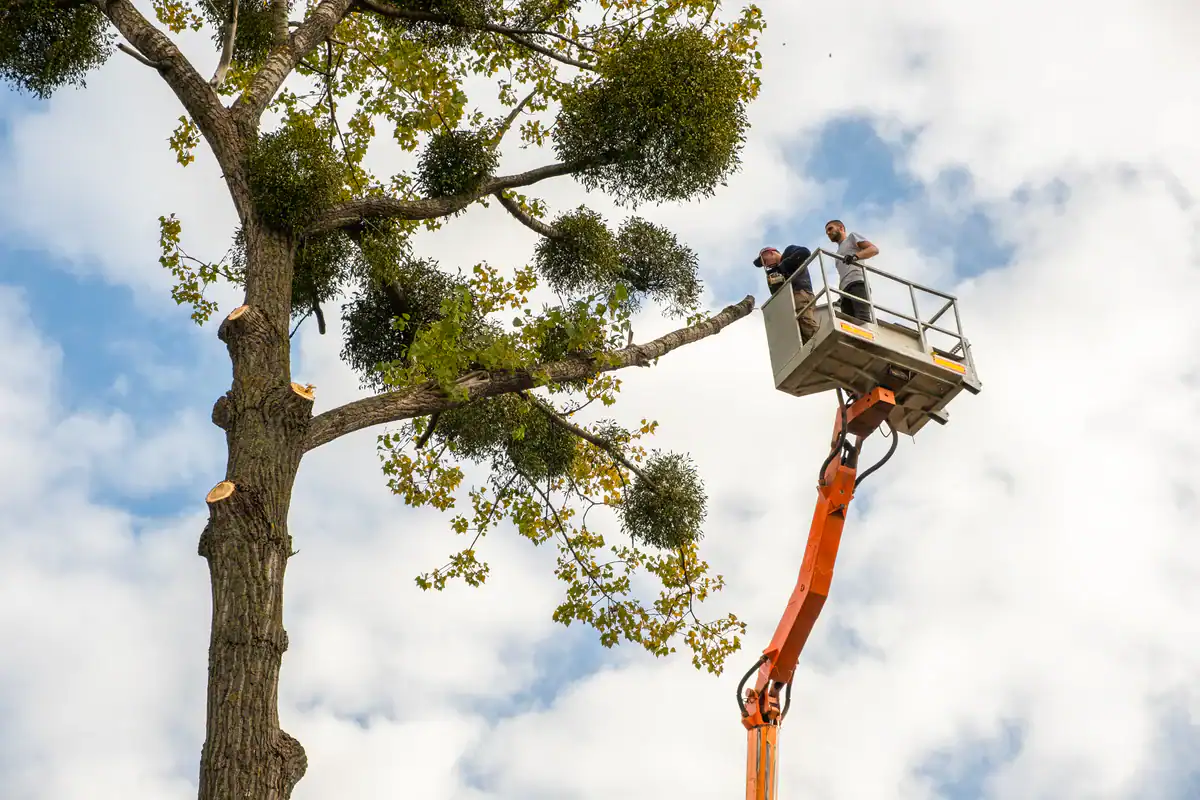
That distinction matters more than it might seem. When a certified arborist is leading the clearing process, the decisions being made about your property are grounded in tree science. Which trees are structurally sound and worth preserving? Which ones are already compromised and need to come down before construction begins? How do the root systems of the trees you’re keeping interact with the area you’re clearing? These aren’t questions a general contractor typically asks.
Our work is led by a certified arborist with over 15 years of experience in tree care. That credential (issued by the International Society of Arboriculture) requires passing a rigorous exam covering tree safety, species-appropriate care, disease diagnosis, and hazard assessment. It’s not a marketing claim. It’s a verifiable qualification that changes the quality of decisions being made on your property.
In the Kansas City area, where mature hardwoods are common on residential lots and the clay-heavy soil makes root management particularly important, having that expertise in the room from the start prevents problems that would otherwise show up months or years later. We’re not just clearing what’s in the way; we’re thinking about what happens after we leave.
We also handle tree removal, stump grinding, and full site cleanup as part of the same job. You don’t need to coordinate three separate contractors or chase down three separate quotes. One call, one crew, one finished lot.
Before you sign anything or schedule a start date, there are a few things worth confirming with any contractor you’re considering, not because most companies are trying to take advantage of you, but because clarity upfront saves everyone time and frustration.
First, ask for proof of licensing and insurance directly from the carrier, not just a certificate. Tree work and land clearing are physically dangerous, and if a crew member is injured on your property and the contractor isn’t properly insured, that liability can fall on you. This is non-negotiable.
Second, get clear on what “done” looks like. Does the quote include stump grinding? Debris hauling? What happens to the wood and brush: is it chipped on-site, hauled away, or left in a pile? A contractor who can answer these questions specifically and without hesitation is a contractor who has done this before and knows what they’re doing.
Third, ask if the contractor is familiar with Kansas City’s permit requirements. If they look confused by the question, that’s useful information.
We offer free estimates, and most quotes are given the same day. There are no upfront costs and no hidden fees; you get a straight number for a clearly defined scope of work. Our customers consistently describe us as straightforward and fair, and that’s the standard we hold ourselves to on every job.
We also offer service in both English and Spanish, which matters in a metro as diverse as Kansas City. If you’re more comfortable discussing your project in Spanish, we can do that. With over 300 completed projects, a 4.9-star rating across more than 40 reviews, and recognition as a top-tier tree service in Kansas City, we’ve built our reputation one cleared lot at a time.
Land clearing doesn’t have to be the complicated, stressful project it sometimes gets made out to be. With the right contractor, it’s a well-sequenced process that starts with a clear plan and ends with a lot that’s genuinely ready for whatever you’re building next.
The Kansas City metro is growing, with new homes, new developments, and new construction activity across Johnson County, the Northland, and south KC. If you’ve been sitting on a wooded lot or putting off that backyard project, now is a good time to get it done before schedules fill up and lead times stretch out.
If you’re ready to get a free, same-day estimate, reach out to Squirrel Master Tree Services. We’ll take a look at your property, give you a straight answer on scope and pricing, and make sure you know exactly what to expect before any work begins.
Summary:
Article details:
Share: