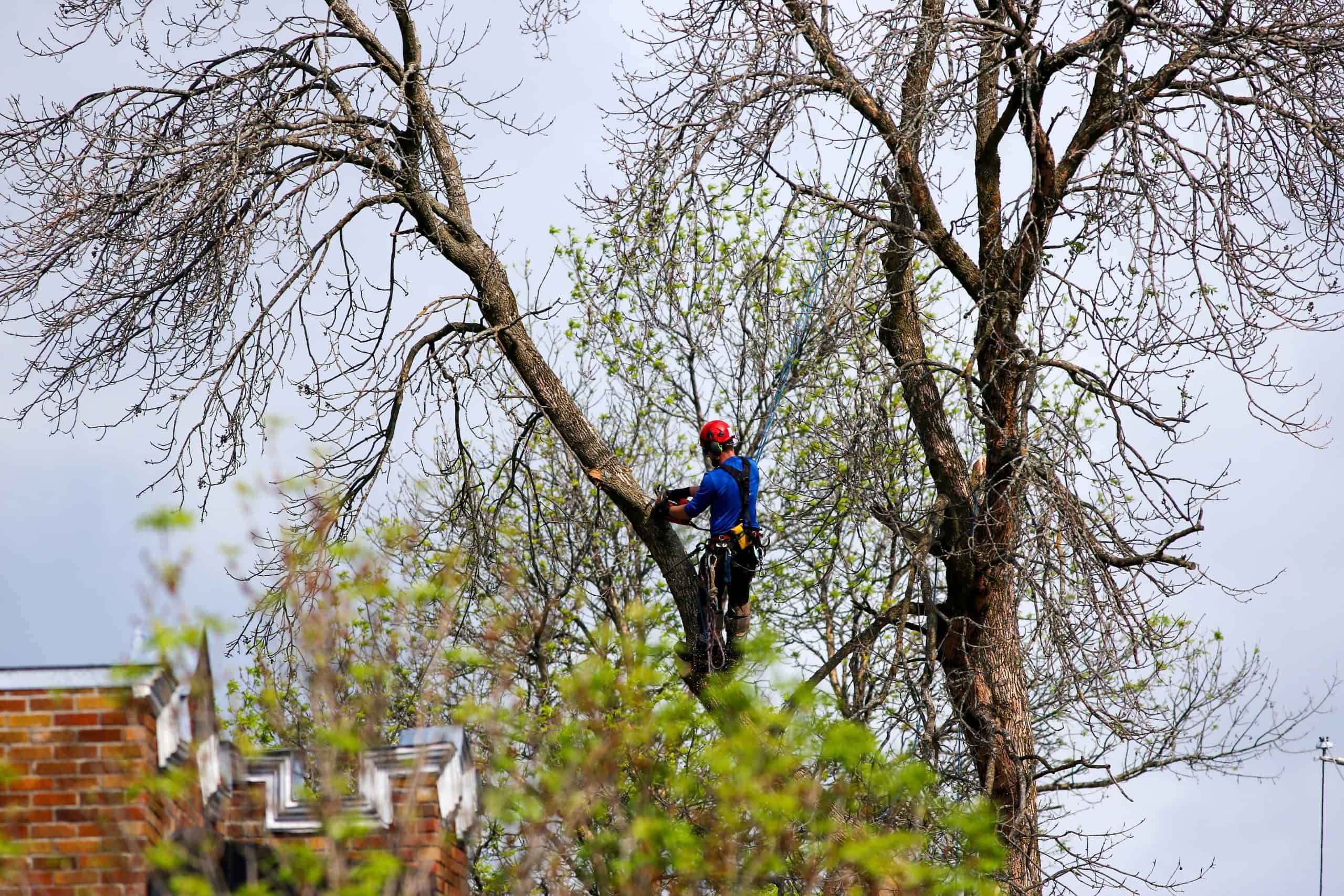
Mission Woods was built around its trees. The city’s own description leads with “tree lined streets” and a “scenic wooded setting” — and that’s not an accident. J.C. Nichols designed this neighborhood in the 1930s with the canopy in mind. The trees that define this community are now 80 to 90 years old, and that maturity is both an asset and a responsibility.
A well-trimmed tree over a home valued at $785,000 or more is not just aesthetics. It’s structural risk management. Dead limbs over a roof, heavy branches crowding a driveway, or a canopy that’s grown so dense it’s blocking light to half your yard — these are real problems that get worse the longer they sit.
Proactive trimming reduces crown weight before Kansas City, KS & MO’s spring storm season hits. Ice storms in winter, high-wind thunderstorms in spring, and the occasional tornado warning are not hypotheticals in this region. They’re annual realities that put stress on mature canopies. Regular trimming keeps your trees healthy for the long term by removing deadwood, thinning crowded branches, and correcting structural imbalances — extending the life of trees that took generations to grow.
In a community of 80 homes where your neighbors know your property as well as you do, a well-maintained canopy is something people notice. So is one that isn’t.
We’re a family-owned, Kansas City, KS & MO-based tree care company with over 10 years of experience working across the metro. We’re local — not a franchise, not a call center operation, not a regional chain that dispatches whoever’s available. We live and work in this area and understand what Kansas City, KS & MO’s trees, weather, and neighborhoods actually look like.
Mission Woods sits right at the state line, walking distance from the Country Club Plaza. The properties here reflect that location — high-value homes, mature canopies, and a community that holds its standards. We’ve safely managed more than 1,200 trees with a 100% safety record, carry full insurance coverage, and are licensed and verified across every major platform. That track record exists because we do the work carefully, not quickly.
Every job includes full cleanup — no debris left in the yard, no chips in the street, no piles for you to deal with after we leave. That’s not a bonus feature. It’s how every job gets done.
It starts with a free on-site quote, usually the same day you reach out. We come to your property, look at the trees in question, and give you a straight answer about what needs to be done and what it will cost. No phone estimates, no vague ranges — just an honest assessment based on what’s actually in your yard.
One thing worth knowing if you’re in Mission Woods: the city’s Architectural Review Board must approve the removal of mature trees, but routine trimming — canopy raising, deadwood removal, crown reduction, branch trimming — does not carry that same requirement for standard maintenance. If you’re trying to address a problem tree without going through the ARB removal process, trimming is often the right path, and the on-site assessment is where that conversation happens. We can help you understand your options before any work begins.
Once the scope is agreed on, we show up, work through the job, and handle everything — including full cleanup before we leave. Mission Woods’s noise ordinance covers landscaping and construction work, so we operate within the city’s allowable time windows. Your neighbors won’t have a reason to call anyone. When the job is done, your yard is clean, your trees are in better shape, and you’re not left managing the aftermath.
Ready to get started?
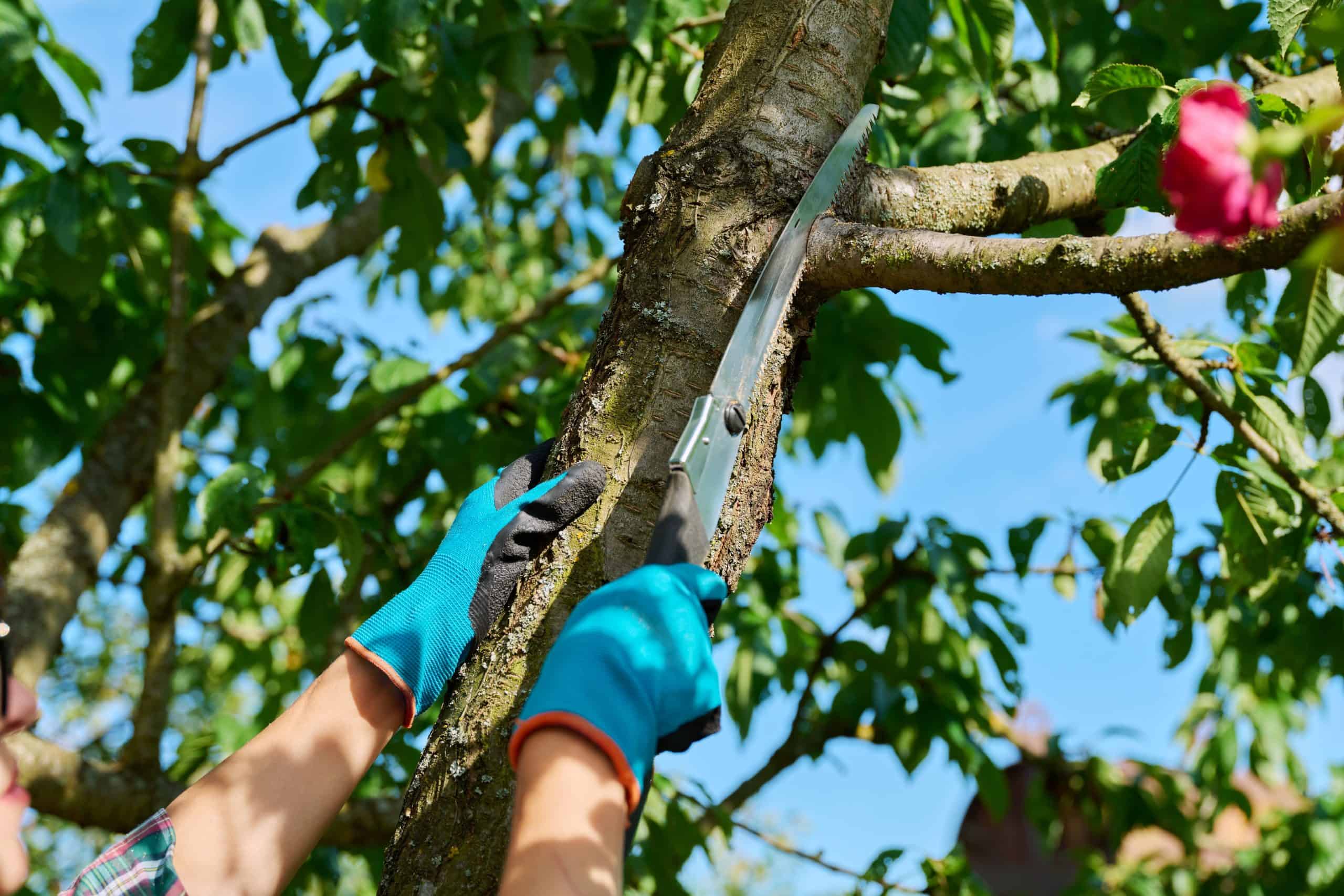
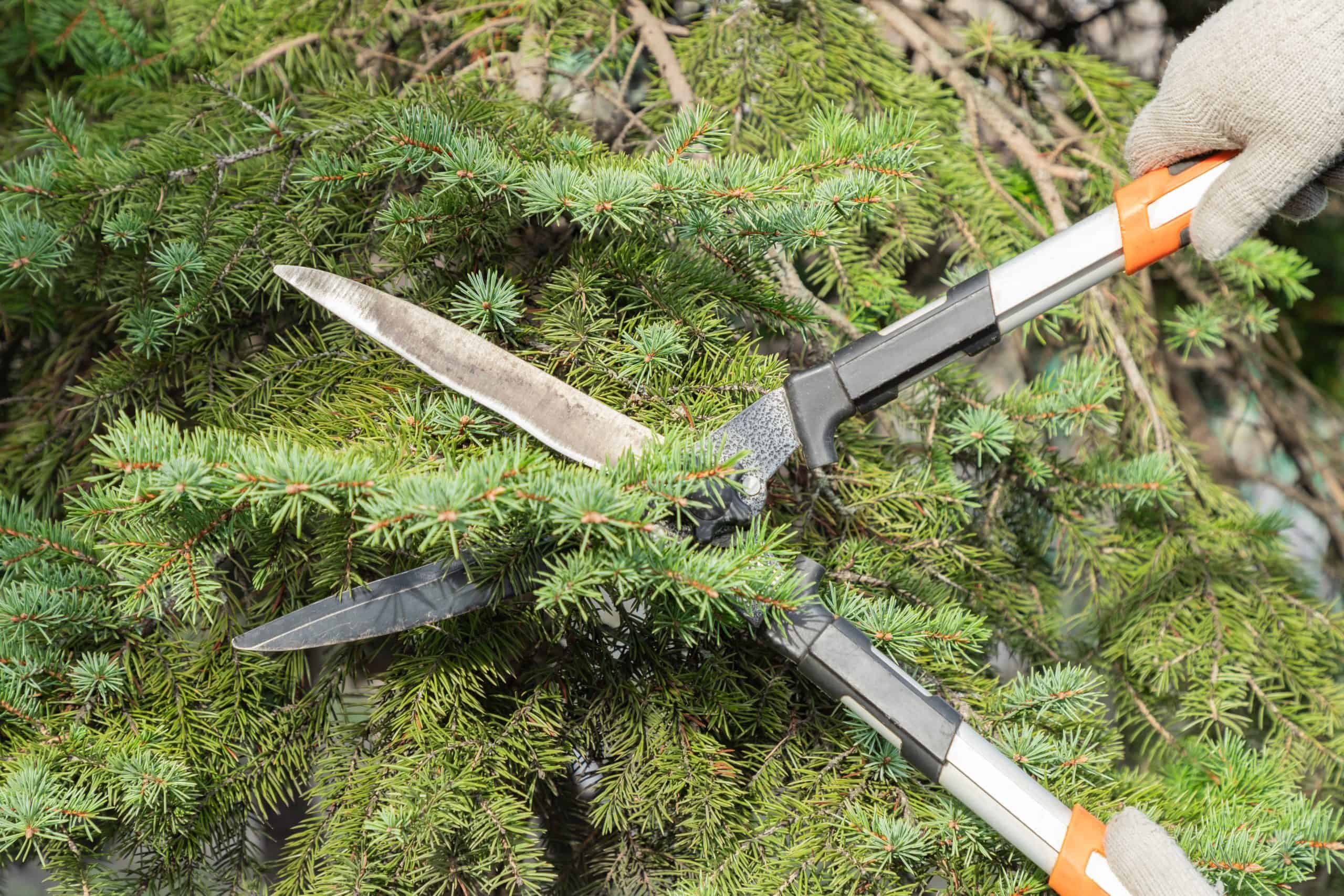
Tree trimming covers more ground than most people expect. For Mission Woods properties, the most common needs are canopy raising — lifting the lower canopy to restore clearance over driveways, walkways, and neighboring lots — deadwood removal, crown reduction for trees that have outgrown their space, and general shaping to maintain the structural balance that keeps large trees stable in high-wind events.
Overgrown tree trimming on 80-year-old specimens requires a different level of attention than trimming a young suburban planting. The branch structure is more complex, the weight distribution matters more, and the cuts need to be made correctly to avoid long-term damage to the tree. Our crew approaches mature tree canopy trimming with that in mind — not just taking off what’s in the way, but doing it in a way that supports the tree’s health going forward.
Every service includes full debris cleanup. All branches, chips, and trimmings are cleared from your property before we leave. If you want to keep the wood or mulch, just say so — otherwise it goes with us. The city’s code prohibits blowing or sweeping debris into the street, and we follow that standard on every job. Pricing varies based on tree size, number of trees, and access, and a free same-day quote gives you a clear number before any work starts.
Routine tree trimming — including canopy raising, deadwood removal, crown thinning, and branch trimming — does not typically require Architectural Review Board approval in Mission Woods. The ARB’s oversight applies primarily to the removal of mature trees, especially those that are significant to adjoining properties. If your goal is to manage a problem tree without going through the removal approval process, trimming is often the right approach and does not carry that same procedural requirement.
If you’re planning more significant landscape changes — new tree plantings, grade alterations, or structural modifications to your yard — the city does require that most exterior and landscaping changes go through the proper permit and ARB review process before a contractor starts work. When we come out for your free on-site assessment, that’s a good time to talk through what you’re trying to accomplish so the scope of work stays on the right side of Mission Woods’s requirements. It’s a straightforward conversation, and it’s better to have it before the crew shows up with equipment.
Most mature trees benefit from professional trimming every three to five years, though the right interval depends on the species, how fast the tree grows, and what’s happening structurally. For the large, established trees common in Mission Woods — many of which have been growing since the neighborhood was developed in the 1930s — the canopy structure can become dense and heavy over time, which increases wind-load risk and can create imbalances that stress the tree.
Signs that a tree needs attention include dead or hanging branches, limbs that are rubbing against each other or crossing in ways that cause damage, branches overhanging your roof or driveway, and a canopy that’s become so thick it’s blocking light to the ground below. Kansas City, KS & MO’s spring storm season and winter ice events put real stress on mature trees, and a professional assessment before those seasons can catch structural issues before they become emergency situations. A free on-site quote from us includes an honest look at what’s going on with your trees, not just a sales pitch.
Canopy raising is the process of removing the lower branches of a tree to lift the base of the canopy higher off the ground. The result is better clearance beneath the tree — for driveways, walkways, sightlines at the street, or neighboring properties that are being crowded by low-hanging growth. It’s one of the most common requests on properties with large, mature trees, and it’s particularly relevant in Mission Woods where trees planted 80 or 90 years ago have had decades to send branches outward and downward.
Done correctly, canopy raising doesn’t harm the tree. The key is removing the right branches at the right points — not stripping the lower canopy all at once, which can stress the tree, but selectively lifting it in a way that maintains healthy structure. Canopy raising typically doesn’t require ARB approval the way full tree removal does, which makes it a practical option when a tree is causing clearance or sightline issues but is otherwise healthy and worth keeping. If you’re not sure whether canopy raising is the right call for a specific tree, the on-site assessment will give you a clear answer.
In most cases, routine tree trimming is not covered by homeowner’s insurance — it’s considered regular maintenance, which policies generally exclude. However, if a tree is damaged by a covered event like a storm, ice, or wind, and that damage requires emergency trimming or removal to protect your property, your policy may cover some or all of the cost. The specifics depend on your individual policy and the circumstances of the damage.
What insurance does cover on the contractor side is equally important. Any tree service crew working on your property should carry both general liability insurance and workers’ compensation coverage. General liability protects you if something goes wrong with your property during the job. Workers’ comp protects you from financial exposure if a crew member is injured on your property — and without it, that liability can fall on the homeowner. We carry full insurance coverage on both fronts. Given the property values in Mission Woods, that’s not a detail to overlook when comparing quotes from different companies. Always ask for proof of insurance before any crew starts work on your trees.
Tree trimming costs vary based on a few key factors: the size of the tree, how many trees are being trimmed, how accessible they are, and how complex the canopy structure is. Nationally, most homeowners pay somewhere between $300 and $900 per tree, with large mature trees — the kind common in Mission Woods — often falling toward the higher end of that range given their size and structural complexity.
For properties in Mission Woods, where many trees are 80-plus years old with large, established canopies, the cost per tree reflects the level of care and skill the job actually requires. A dense, heavy canopy on a tree that’s been growing for decades is a different job than trimming a 15-foot ornamental in a newer subdivision. We provide free same-day quotes based on an on-site assessment of your specific trees — not a phone estimate based on a description. That means the number you get reflects what the job actually involves, and there’s no pressure to commit on the spot. It’s a straight answer so you can make an informed decision.
Every job we complete includes full cleanup before the crew leaves — no exceptions. All branches, trimmings, and wood chips are cleared from your property. If you want to keep the mulch or any of the cut wood, just let the crew know beforehand and we’ll set it aside for you. Otherwise, everything goes with us.
This matters in Mission Woods for a couple of practical reasons. The city’s code prohibits sweeping or blowing lawn and yard debris into the street, so cleanup has to be handled on-property — not pushed to the curb and left for someone else to deal with. Beyond the regulatory side, in a community of 80 homes where neighbors know each other and the city actively enforces appearance standards through its Architectural Review Board, a yard left with debris after a tree job is the kind of thing people notice. Our cleanup standard isn’t an add-on or an upgrade — it’s built into every job because leaving a mess behind isn’t an option. Your yard should look better when the crew leaves than it did when they arrived, and that’s the standard we hold on every property we work on.
Other Services we provide in Mission Woods