Lee’s Summit has had an EF-1 tornado cut through the city center, an EF-3 touch down in 2019, and recurring severe thunderstorm warnings that specifically name this area for 70 mph wind gusts and considerable tree damage. That’s not a hypothetical risk profile — it’s a documented pattern.
When your trees haven’t been trimmed in years, the canopy gets dense and unbalanced. Instead of letting wind pass through, it catches it. Dead branches that look harmless on a calm day become projectiles in a storm. Overgrown limbs that have been slowly weakening at the joint don’t announce themselves before they fail.
The neighborhoods that make Lee’s Summit worth living in — Lakewood, Raintree Lake, the older subdivisions built out in the 70s and 80s — are full of mature trees that are now 30 to 50 years old. These trees are beautiful, and they add real value to your property. But at this stage of their life, structural issues develop faster than most homeowners realize, and most of it isn’t visible from the ground without a trained eye.
Professional tree trimming at this point isn’t about aesthetics. It’s about keeping a $400,000 or $600,000 property from taking a hit during the next storm season because a branch that should have been removed two years ago wasn’t. After a proper trim, your trees are structurally sound, wind-resistant, and cleared of the dead and weakened wood that causes most storm damage. Your yard looks sharp. Your property holds its value. And you’re not dealing with an emergency cleanup call the morning after a severe weather event that you could have avoided.
We are a family-owned, fully insured tree care company based in Kansas City, KS & MO — about 16 miles from Lee’s Summit via I-470 and US-50. Our crew has been working across the Kansas City, KS & MO metro for over 10 years, and we’ve managed more than 1,200 trees with a 100% safety record. That’s not a number pulled from a brochure — it’s the actual count, and it matters when you’re hiring someone to work around a Lakewood lakefront home or a mature oak near your roof line.
The reviews back it up. Customers consistently call out the safety of our work, the quality of the cleanup, and the fact that the quote they were given was the price they paid. No runaround, no surprise charges after the job. We carry a 4.9-star rating across more than 40 verified reviews, and we were recognized in 2024 by Quality Business Awards as a top 1% business in our category with a quality score above 95%. That kind of track record doesn’t happen by accident — it comes from showing up, doing the work right, and leaving the property cleaner than we found it.
It starts with a free on-site quote, and most Lee’s Summit homeowners get theirs the same day they call. There’s no phone estimate, no ballpark number that changes once our crew shows up. We send someone out to walk the property with you, look at the trees you’re concerned about, and give you a clear, honest number before any work begins. If you’re in an HOA-governed neighborhood like Lakewood or Raintree Lake, this is also the time to talk through what the work will look like and confirm it meets your community’s standards.
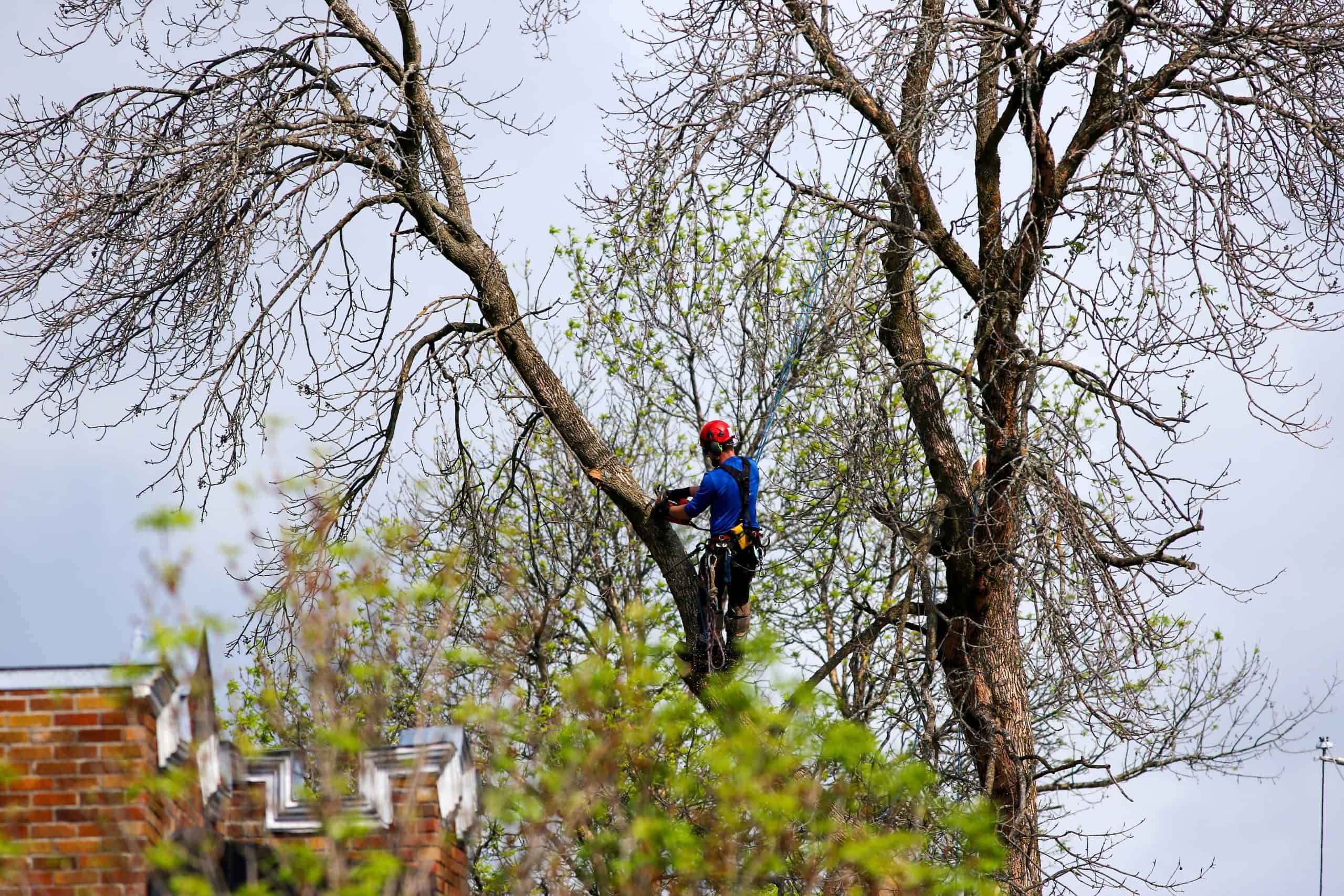
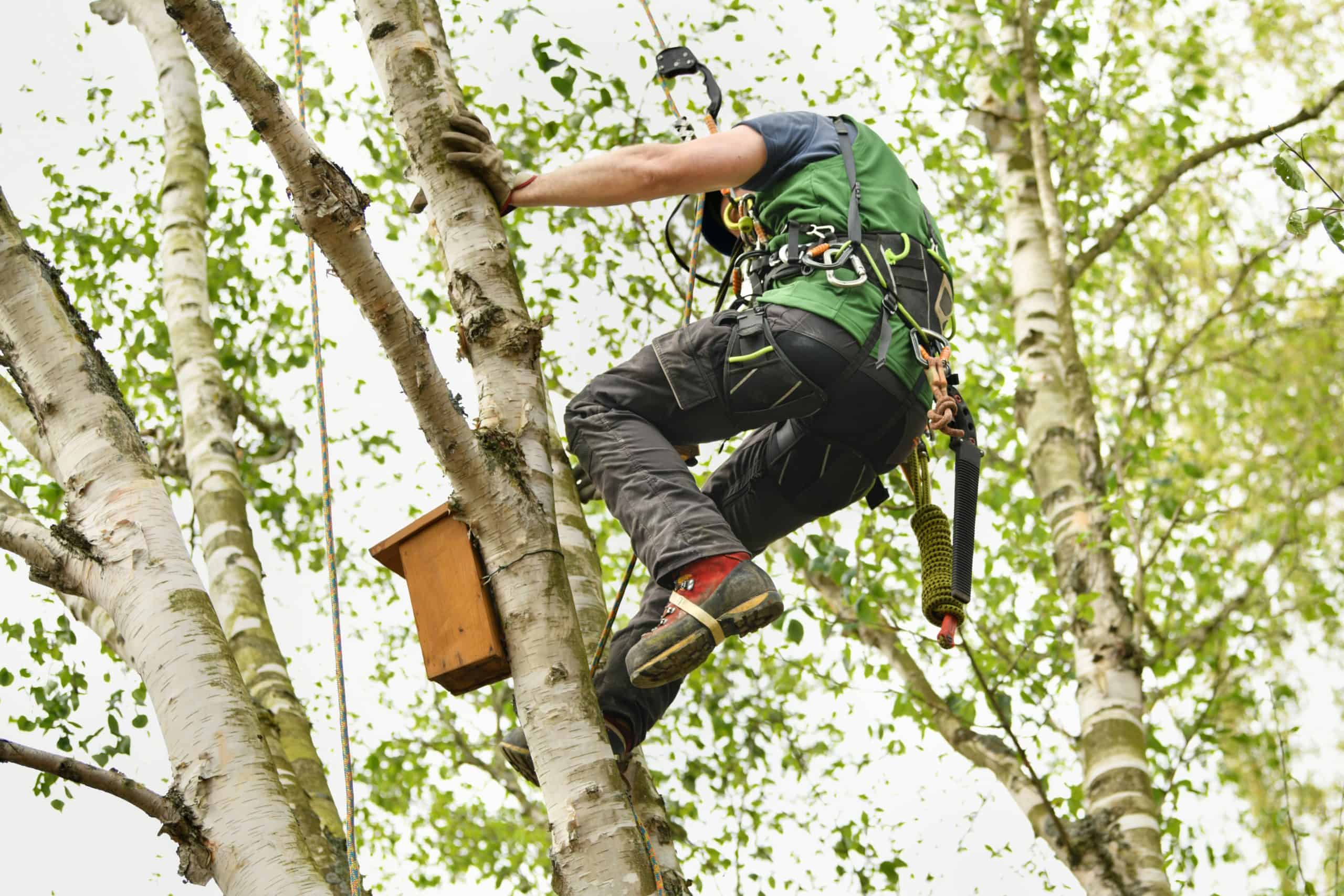
Once you’ve approved the quote, we handle everything. For most trimming jobs, that means assessing the canopy structure first — identifying dead, crossing, or weakened branches, evaluating the overall weight distribution, and determining what needs to come out versus what just needs to be shaped. In Lee’s Summit, late winter is generally the best window for most deciduous species because the trees are dormant, there’s less stress on the tree, and we have clear sightlines into the canopy without the leaf cover. Storm damage doesn’t wait for the calendar, and we respond to emergency trimming needs as well.
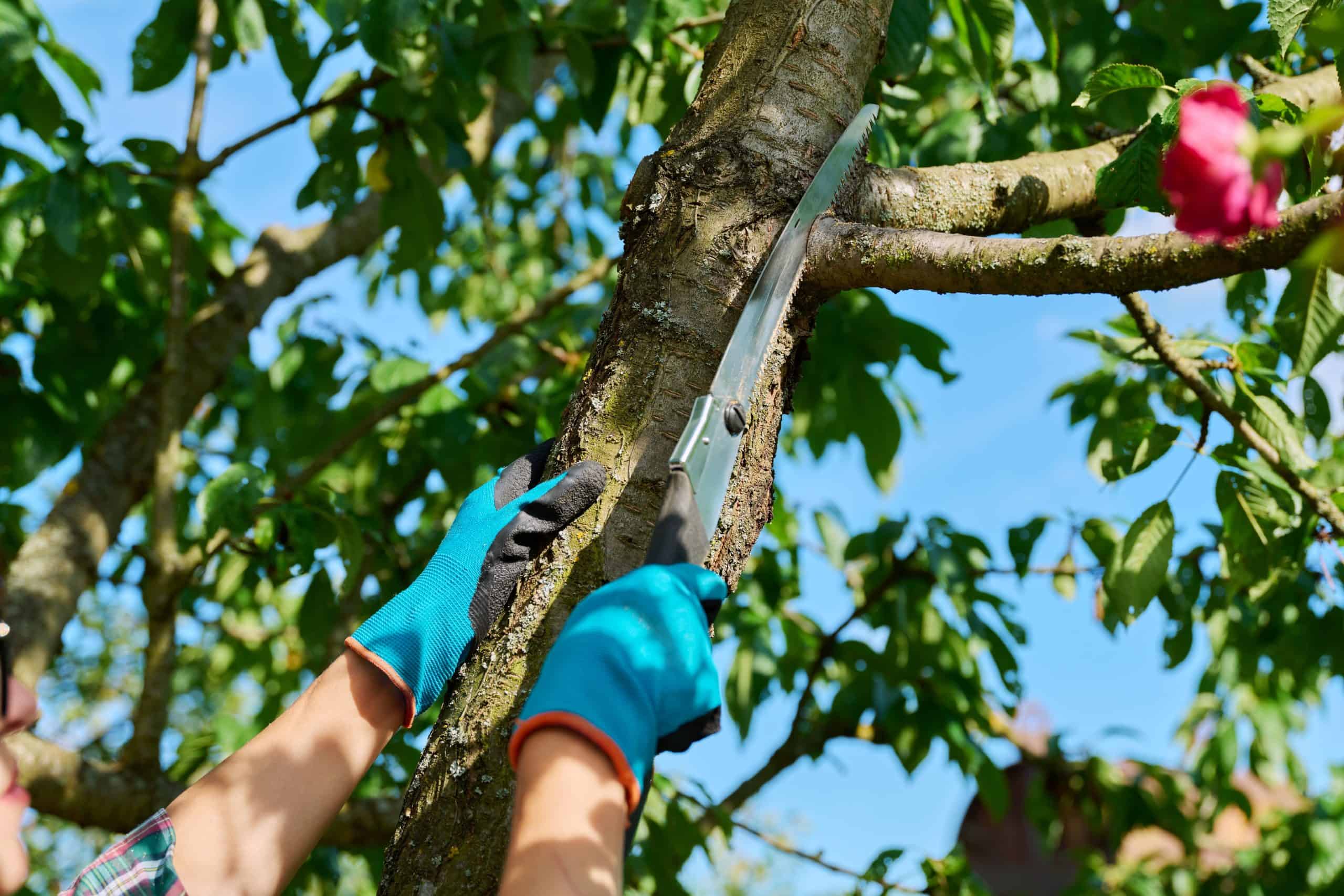
The actual trimming work is done with proper cuts — no topping, no hacking, nothing that leaves the tree structurally compromised or more vulnerable than before. When the job is done, we clean up completely. Every branch, every piece of debris. If you want to keep the wood or mulch, that’s an option. If you want the yard left spotless, that’s the default. You do a walkthrough, confirm everything looks right, and that’s it.
Ready to get started?
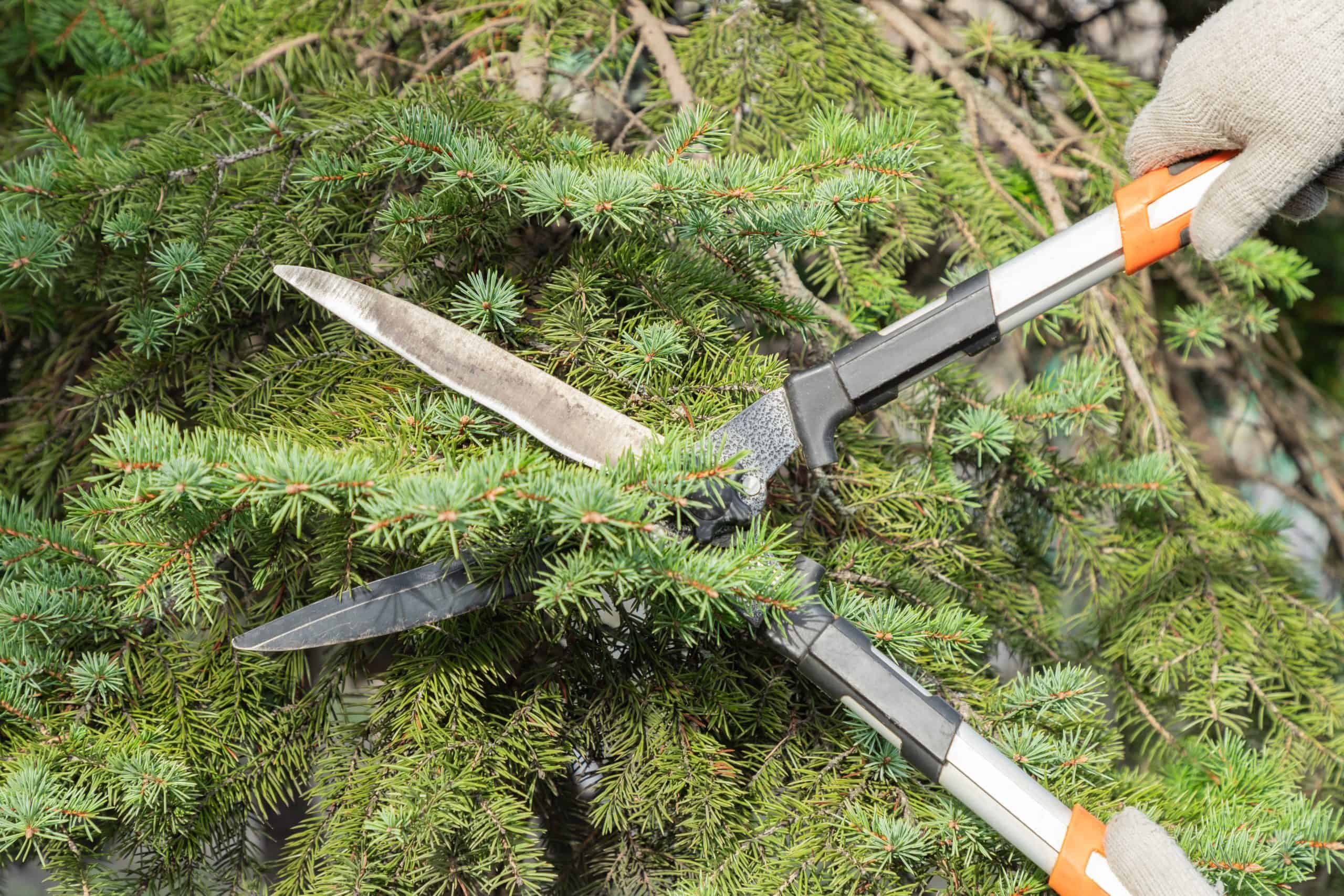
Tree trimming in Lee’s Summit covers more ground than most homeowners expect when they first call. The core of our work is removing dead, diseased, and structurally compromised branches — the ones that pose the real risk during storm season and the ones that quietly drain the tree’s energy over time. But trimming also includes tree shaping for properties where the visual structure matters, canopy raising to lift the lower limbs and open up sightlines or clear structures beneath, and overgrown tree trimming for trees that haven’t been touched in years and have developed dense, unbalanced canopies that need to be brought back into proportion.
For Lee’s Summit homeowners specifically, there are a few things worth knowing. The city’s vegetation ordinance requires that dead, dying, or diseased trees be treated, pruned, or removed so they don’t pose a threat to neighboring property — this is an enforceable city standard, not just a recommendation. If you’ve received a notice or you’re concerned about a tree that’s visibly declining, that’s a job that needs to move quickly. Our same-day quote process is built for exactly that situation.
For properties in HOA-governed communities, we work cleanly and professionally — the kind of execution that doesn’t create a compliance issue after the fact. Every job includes full cleanup. We haul away all debris, and the yard is left neat and safe when we’re done. If you’d like to keep the wood or mulch for your own use, just say so. The free quote covers the full scope of the work, and the price you’re given before the job starts is the price you pay.
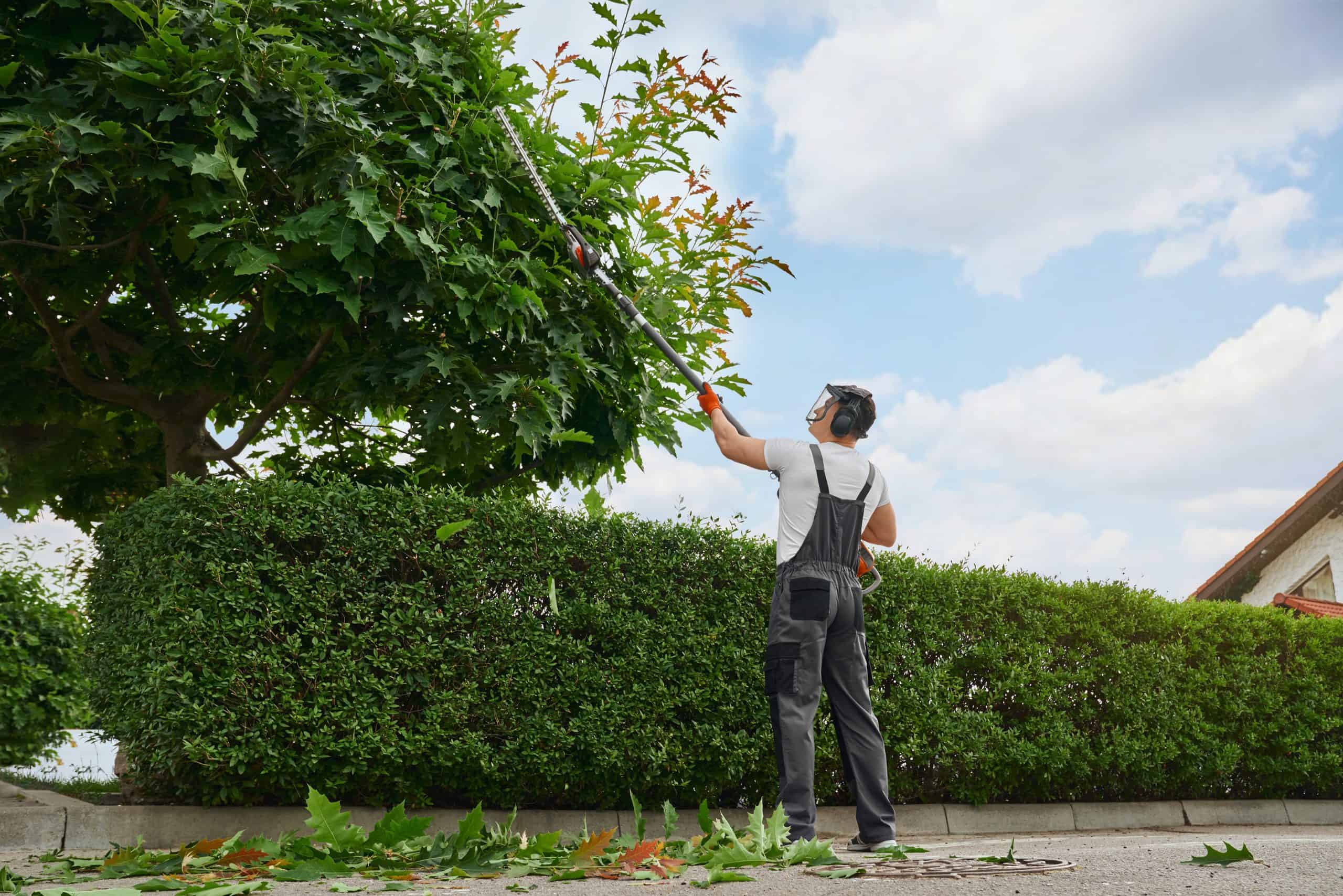
For most residential tree trimming on private property in Lee’s Summit, you don’t need a city permit. The work falls under normal property maintenance, and homeowners can hire a tree service without going through a permitting process first. That said, there’s an important distinction to understand: the City of Lee’s Summit does have an enforceable vegetation ordinance that requires dead, dying, or diseased trees to be treated, pruned, or removed when they pose a threat to neighboring property. So while you don’t need a permit to trim a healthy tree, you may be required to act on one that’s in decline.
If you’re in an HOA-governed community — Lakewood and Raintree Lake are two of the more common ones in Lee’s Summit — your HOA may have its own rules about visible landscape changes, particularly in front yards. It’s worth checking with your HOA before scheduling work, especially for anything involving removal or significant structural changes to trees that are visible from the street. We can walk through the scope of the job with you before the work begins so you know exactly what’s happening and can confirm it meets your community’s requirements.
For most deciduous trees in Lee’s Summit, late winter is the ideal trimming window — typically February through early April, before the trees break dormancy. Trimming during dormancy means less stress on the tree, lower risk of attracting insects or disease through fresh cuts, and better visibility into the canopy structure since the leaves are down. It also lines up well with the lead-up to Lee’s Summit’s spring storm season, which is when overgrown or structurally weak trees are most likely to fail.
There are exceptions worth knowing. Oaks are one of the more important ones in this area — oak wilt is a real concern in the Kansas City, KS & MO metro, and oaks should generally not be trimmed during the warmer months when the beetles that spread the fungus are most active. If you have oaks on your property, late winter trimming is especially important. Outside of dormant-season trimming, storm damage doesn’t follow a schedule — if a branch fails or a tree is structurally compromised after a severe weather event, that’s a job that needs to happen regardless of the time of year. We handle emergency trimming as well as scheduled seasonal work.
The honest answer is that most homeowners can’t fully assess this from the ground, and that’s not a knock on anyone — it’s just how trees work. A lot of the structural issues that matter most aren’t visible without getting up into the canopy or knowing exactly what to look for. That said, there are signs you can watch for that suggest a tree shouldn’t wait: dead branches that haven’t dropped on their own, limbs that are crossing and rubbing against each other, sections of the canopy that look noticeably thinner or discolored compared to the rest of the tree, and any branch that’s hanging over a structure, fence, or area where people spend time.
In Lee’s Summit’s established neighborhoods — particularly in Lakewood and the subdivisions built out in the 1970s through 1990s — trees are now old enough that waiting another season can mean the difference between a straightforward trimming job and a much more complicated removal situation. Mature trees develop structural weaknesses faster than younger ones, and the combination of aging tree stock and Lee’s Summit’s documented severe weather history means the risk of doing nothing compounds over time. A free on-site quote from us gives you a clear picture of where each tree actually stands — no pressure, just an honest assessment.
Full cleanup is included with every job — that’s not an add-on or an upgrade, it’s just how we work. When the trimming is finished, our crew removes all branches, debris, and wood from the property. The yard is left neat and safe, and the driveway and any adjacent areas are cleared as well. If you want to keep the wood for firewood or the chipped material for mulch, just let the crew know before they start and we’ll set it aside for you. If you’d rather have everything hauled away, that’s the default.
This matters more in Lee’s Summit than it might in some other areas, because many of the city’s neighborhoods — especially HOA-governed communities like Lakewood — hold properties to a visible standard. A yard left with debris piles or branch scatter after a tree job isn’t just inconvenient; it can create a compliance issue with your HOA. Our cleanup standard is built around leaving the property in better shape than we found it, which is exactly what you need when you’re in a neighborhood where how your yard looks after a contractor visit is something your neighbors and your HOA actually notice.
Canopy raising means removing the lower branches of a tree to lift the base of the canopy higher off the ground. The result is more open space beneath the tree, better sightlines across the yard, improved light penetration to the grass and plants below, and a cleaner visual structure overall. It’s one of the more common requests in established Lee’s Summit neighborhoods where mature trees have grown to the point where the lower limbs are blocking views, interfering with foot traffic, brushing against structures, or simply making the yard feel closed in.
Whether you need it depends on the tree and what’s happening with those lower branches. If they’re healthy and positioned in a way that doesn’t cause a problem, there’s no reason to remove them. But if the lower canopy is shading out your lawn, hanging over a fence line, scraping a roofline, or creating the kind of dense coverage that makes a large yard feel smaller than it is, canopy raising is a straightforward fix. For lakefront properties in Lakewood or homes on larger lots in New Longview, it’s also a way to restore the open, well-maintained look that these neighborhoods are known for. We can assess the specific trees on your property and tell you honestly whether canopy raising makes sense or whether the lower limbs are better left alone.
Tree trimming costs vary based on the size of the tree, how many trees you’re having done, how accessible they are, and whether there are any complicating factors like proximity to structures, power lines, or tight spaces. Nationally, most homeowners pay somewhere between $300 and $900 per tree, with small trees on the lower end and large, mature trees — the kind that are common in Lakewood and the older subdivisions throughout Lee’s Summit — on the higher end of that range. The full range runs from around $150 for a small tree up to $1,500 or more for a very large tree in a difficult location.
What we won’t do is give you a phone estimate that changes once our crew shows up. The quote is done on-site, it’s free, and most Lee’s Summit homeowners get it the same day they call. You’ll know the exact number before any work begins, and that’s the number you pay. For a community where home values average around $340,900 and many properties in neighborhoods like Lakewood and Chapel Ridge are worth considerably more, the cost of professional trimming is a straightforward investment compared to the cost of storm damage, emergency removal, or the kind of HOA compliance issue that comes from neglected trees on a high-visibility property.
Other Services we provide in Lee'S Summit