
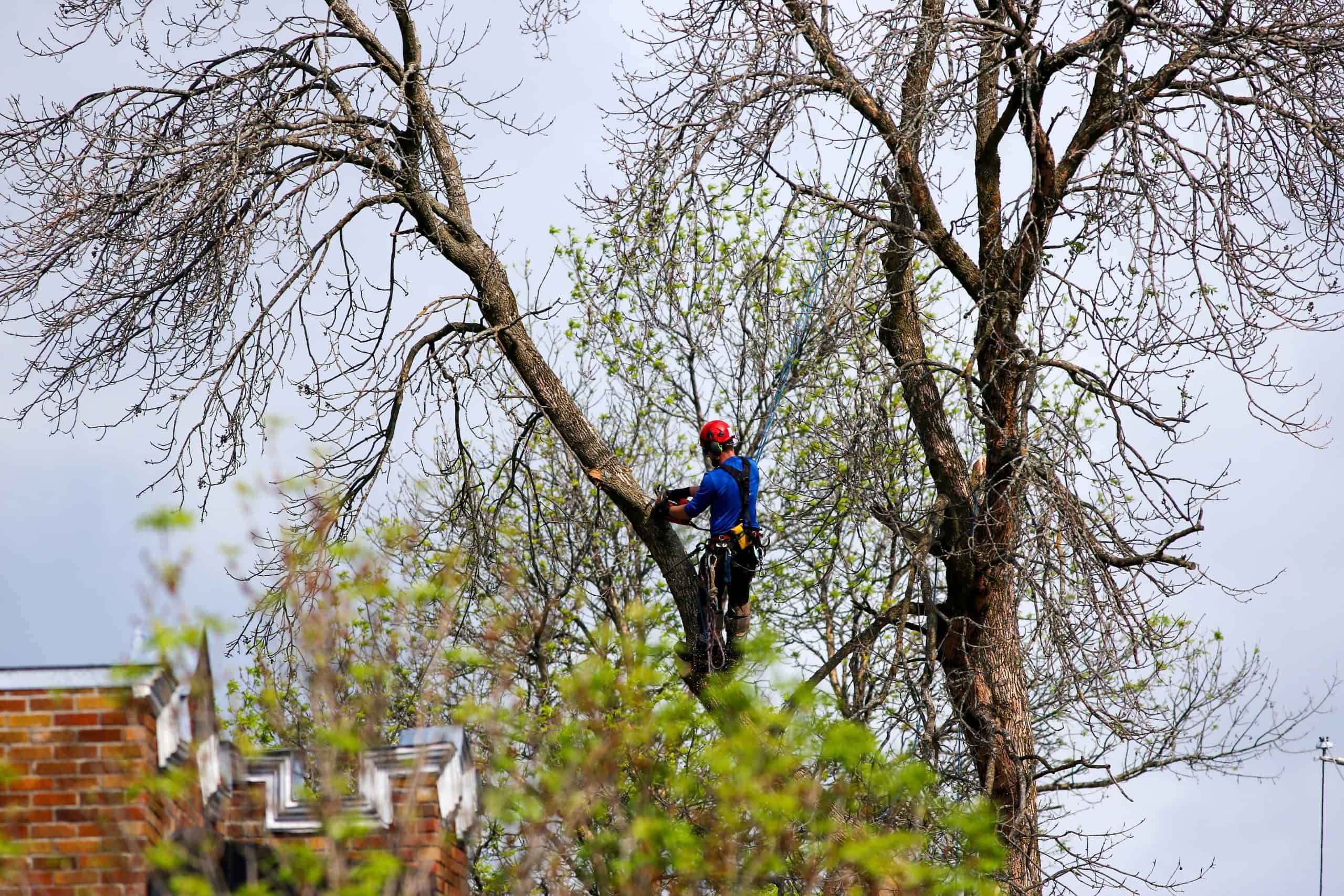
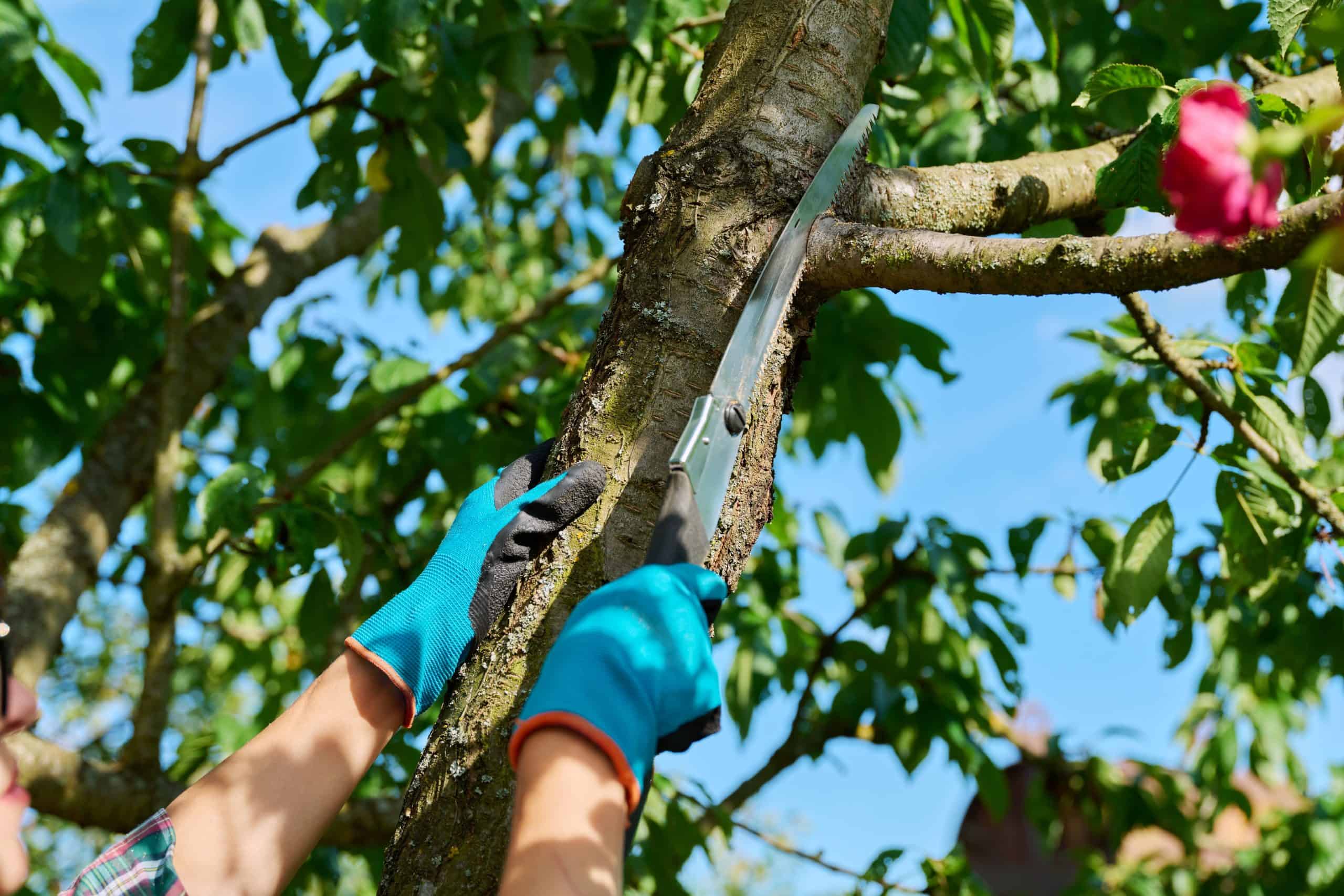
The most immediate thing you’ll notice is how much lighter your property feels. Branches that were pressing against your roofline, hanging over a fence, or blocking light to the yard are gone. What you’re left with is a cleaner look, better airflow through the canopy, and a yard that doesn’t look like it’s been ignored for a decade — even if it has.
But in Missouri City, the stakes go beyond aesthetics. The Missouri River valley corridor that runs through Clay County is a well-documented pathway for severe weather. Spring thunderstorms, straight-line winds, and winter ice events hit this area hard, and when they do, it’s the overgrown trees with dead wood and heavy, unbalanced limbs that cause the most damage. A cottonwood or silver maple that’s been growing unchecked for thirty years doesn’t need much encouragement to drop a limb on a fence, a car, or a roof.
The older housing stock in Missouri City — most of it built before 1970, some of it going back much further — means the trees on these properties have had a long time to develop structural problems that aren’t obvious from the ground. Dead branches, crossing limbs, split leaders, and canopy overgrowth are common on properties like these. Getting ahead of it now costs a fraction of what it costs to deal with storm damage later.
Squirrel Master Tree Services is a family-owned tree care company based in Kansas City, KS & MO, and we’ve been working across the metro — including Clay County communities like Missouri City — for over ten years. We’re not a national franchise, and we’re not a company that only shows up in the high-volume zip codes. We go where the work is, and we treat every property in Missouri City the same way regardless of the address.
Our crew has safely handled more than 1,200 tree jobs across the Kansas City, KS & MO metro with a 100% safety record. We carry full insurance — general liability and workers’ compensation — which matters a lot when you’re talking about large, mature trees near older structures like those throughout Missouri City. If something goes wrong on the job, you’re protected. That’s not a small thing.
We also hold a 4.9-star rating across more than 40 verified reviews, and Quality Business Awards recognized us in 2024 with a quality score above 95%, placing us among the top 1% of businesses in our category nationally. The reviews say what we’d say ourselves: fair price, no runaround, and the yard is clean when we leave.
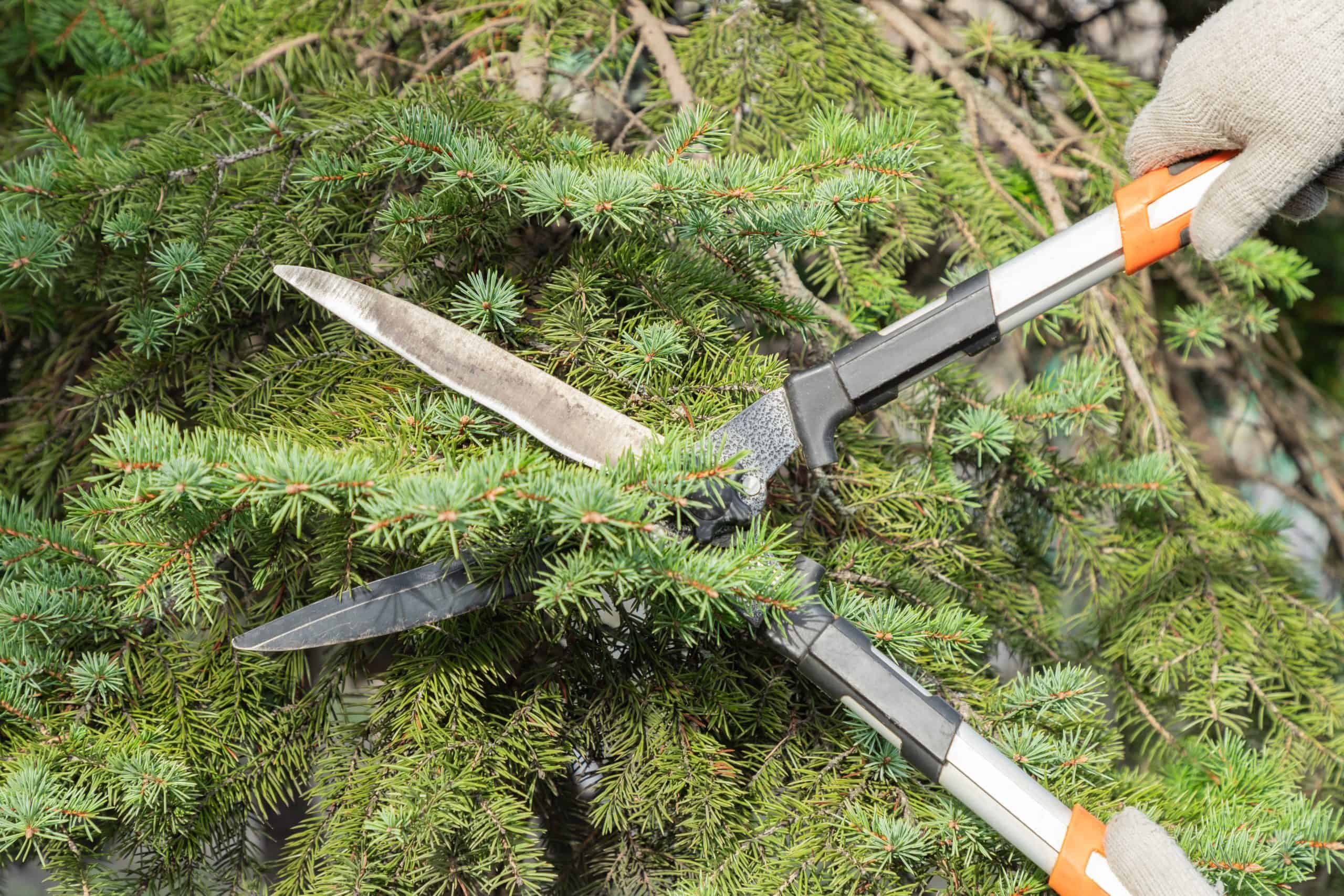
It starts with a free quote. We come out to your Missouri City property, walk the trees with you, and tell you exactly what we see — which branches need to come down, what’s a safety concern, and what’s just overgrowth that’s been left too long. You get a straight price on the spot. No phone estimates, no vague ranges, no callbacks three days later.
Once you’re ready to move forward, we schedule the work and show up when we said we would. The crew handles everything: the cuts, the canopy work, any dead wood removal, and full cleanup of every branch and piece of debris before we leave. If you want to keep the wood or mulch, we’ll set it aside for you. If not, it’s gone. We don’t leave piles along the fence for you to deal with later.
For Missouri City properties and the surrounding Fishing River Township area, we pay attention to the specific conditions here — older trees with decades of growth, bottomland species near the Missouri River corridor that tend to grow fast and develop structural issues, and the seasonal timing that matters for Clay County’s climate. Late winter and early spring are generally the best window for most species, right at the end of dormancy before full leaf-out. That said, if a storm has already created a hazard, we offer same-day emergency response and don’t wait for the ideal season to get there.
Ready to get started?
Tree trimming covers more than just cutting back branches that are in the way. Depending on what your trees actually need, the work might include canopy raising — lifting the lower limbs to clear sightlines, improve access under the tree, and create usable space beneath a large oak or maple. It might include canopy thinning to improve airflow and reduce the wind load that makes large trees vulnerable during Clay County’s spring storm season. It might mean removing dead or crossing branches that are a structural hazard, or shaping a tree that’s grown unevenly over decades of unmanaged growth.
For Missouri City properties specifically, we see a lot of mature trees that have never been professionally trimmed. The housing stock here is older, the lots tend to be larger than what you’d find in newer suburban developments, and many of the trees — cottonwoods, silver maples, elms, oaks — have been growing since before the current owners moved in. That’s not a problem we can’t handle. It just means the assessment matters, and we take it seriously.
Every job includes full cleanup. We don’t charge extra for it, and we don’t leave the property until it’s done. Most residential tree trimming in Missouri City doesn’t require a permit, but if your trees are near utility lines, that’s something we’ll flag during the walkthrough. Pricing varies based on the size of the trees, how many you have, and what the job actually involves — and the best way to get an accurate number is to have us come out and look. The quote is free, and there’s no pressure to move forward on the spot.
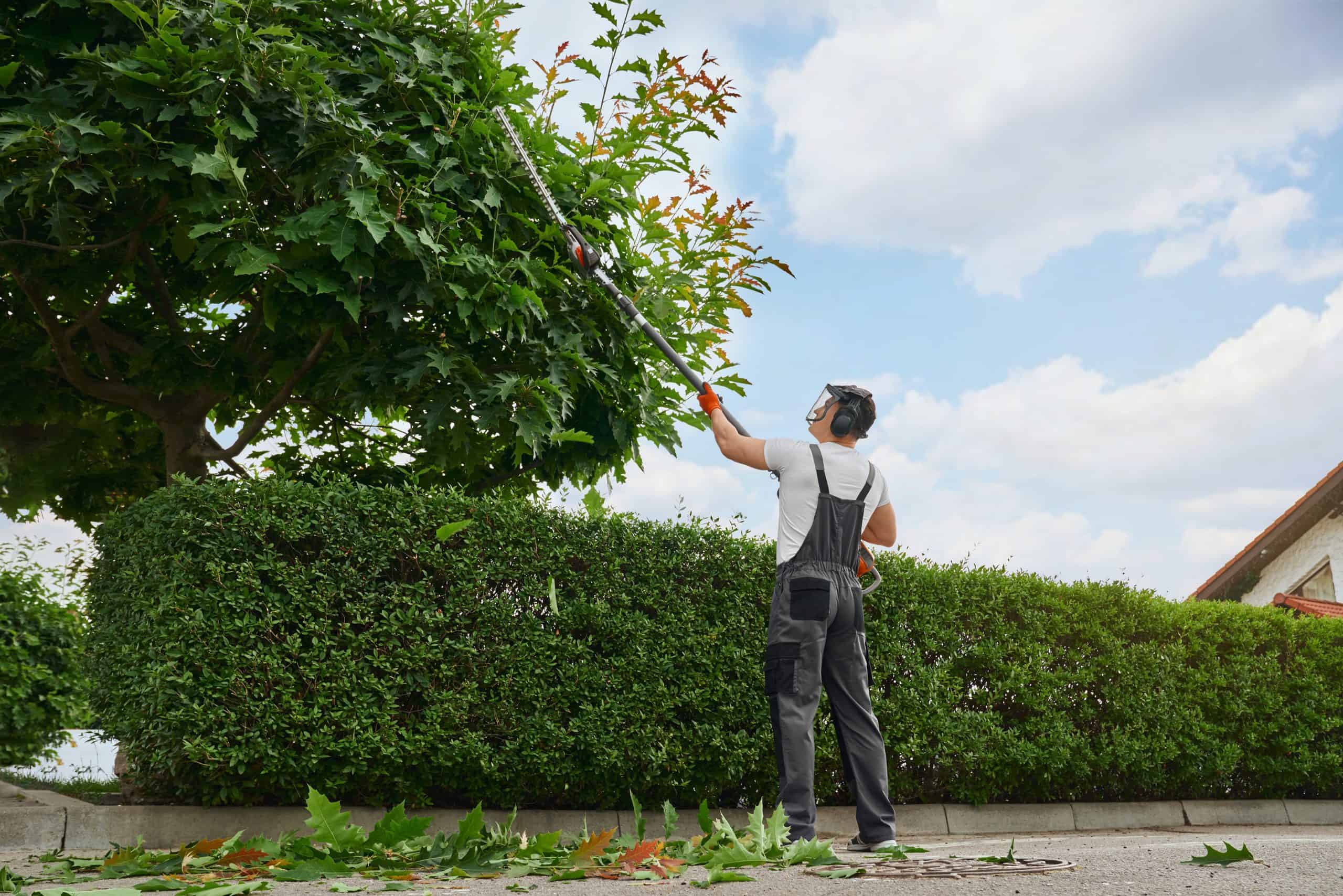
The honest answer is that it depends on the job. Tree size is the biggest factor — a small tree under 25 feet is going to cost significantly less than a large oak or cottonwood that’s been growing for 50 years. Nationally, most homeowners pay somewhere in the range of $300 to $900 per tree, with the average landing around $460. But that’s a national figure, and your actual cost depends on how many trees you have, how accessible they are, whether there’s dead wood involved, and what the canopy work actually requires.
For Missouri City properties, the older housing stock means a lot of jobs involve large, mature trees that haven’t been trimmed in years — sometimes decades. That can affect the scope of the work. The best way to get a real number is to have someone come out and look at the trees. We offer free same-day quotes, so you’ll know exactly what you’re looking at before you commit to anything.
For most tree species, late winter to early spring is the ideal window — right at the end of dormancy, before the trees fully leaf out. At that point, the structure of the tree is easy to read, there’s less stress on the tree from the cuts, and the risk of attracting pests or disease through fresh wounds is lower than during the active growing season.
In Missouri City and Clay County, that window typically falls somewhere between February and early April, depending on the year. The area’s position in the Missouri River valley means spring storms can arrive earlier than some people expect. If you’ve got a tree with dead wood or heavy overhanging limbs going into storm season, waiting for the perfect trimming window isn’t always the right call. We offer same-day emergency response when a hazard needs to be dealt with immediately, regardless of the season.
They’re related, but they’re not the same thing. Trimming is primarily about controlling size and shape — cutting back overgrown branches, clearing structures, raising the canopy, and keeping the tree from encroaching on rooflines, fences, or power service drops. It’s often the right call when a tree has been left to grow unchecked for years, which is common on older properties throughout Missouri City and the surrounding Fishing River Township area.
Pruning is more targeted and focused on the health and structure of the tree itself. That means removing dead, diseased, or crossing branches that are causing structural problems, improving airflow through the canopy, and making cuts that encourage stronger, healthier growth over time. In practice, most jobs involve a combination of both — you’re shaping the tree and addressing health issues at the same time. When we walk your property during the free quote, we’ll tell you exactly what the trees need and why.
For most residential tree trimming in Missouri City, no permit is required. Missouri City is a very small municipality — one of the smallest incorporated cities in Clay County — and it doesn’t have the kind of urban forestry ordinance that larger cities like Kansas City, KS & MO or Liberty sometimes enforce for tree removal or trimming near public right-of-ways.
The one situation where regulations do apply, regardless of city size, is work near utility lines. In Missouri, any trimming within 10 feet of electrical conductors legally requires an Approved Line-Clearance Arborist — that’s a state and utility standard, not just a best practice. If your trees are close to power lines, we’ll identify that during the on-site walkthrough and let you know how it affects the scope of the job. If you’re unsure whether your specific situation requires anything beyond standard trimming, we’ll give you a straight answer when we’re there.
A few things to look for: branches that are hanging over your roofline, pressing against your house, or growing toward power lines are the most obvious ones. Dead or broken branches — especially ones that are still attached but no longer have leaves or bark — are a more serious concern because they can fall without warning, particularly during the kind of spring storms and ice events that Clay County sees regularly.
Beyond the visible hazards, there are structural signs that aren’t always easy to spot from the ground. Crossing branches that rub against each other create wounds that invite disease. A canopy that’s grown too dense reduces airflow and makes the tree more susceptible to fungal issues during Missouri’s humid summers. A split leader — where the trunk divides into two competing main stems — is a long-term structural risk that gets worse over time if it’s not addressed. On older properties in Missouri City, where trees have often been growing without professional attention for decades, these kinds of issues are common. A free on-site assessment is the most reliable way to know what you’re actually dealing with.
Start with insurance. Any legitimate tree service company should carry both general liability insurance and workers’ compensation. General liability covers damage to your property if something goes wrong during the job. Workers’ compensation covers the crew if someone is injured on your property. Without both, you could be financially exposed for an accident that happens in your own yard. Ask for proof before anyone starts work — a reputable company will have no problem providing it.
Beyond insurance, look at the reviews — not just the star rating, but what people actually say. Reviews that mention specific things like cleanup, fair pricing, showing up on time, and how the crew handled the job are more useful than generic five-star ratings. Years in business and the number of jobs completed matter too. We’ve been working across the Kansas City, KS & MO metro for over ten years, have completed more than 1,200 tree jobs with a 100% safety record, carry full insurance, and hold a 4.9-star rating across more than 40 verified reviews. For Missouri City homeowners dealing with large, mature trees near older structures, that track record is exactly what you want to see before anyone picks up a chainsaw on your property.
Other Services we provide in Missouri City