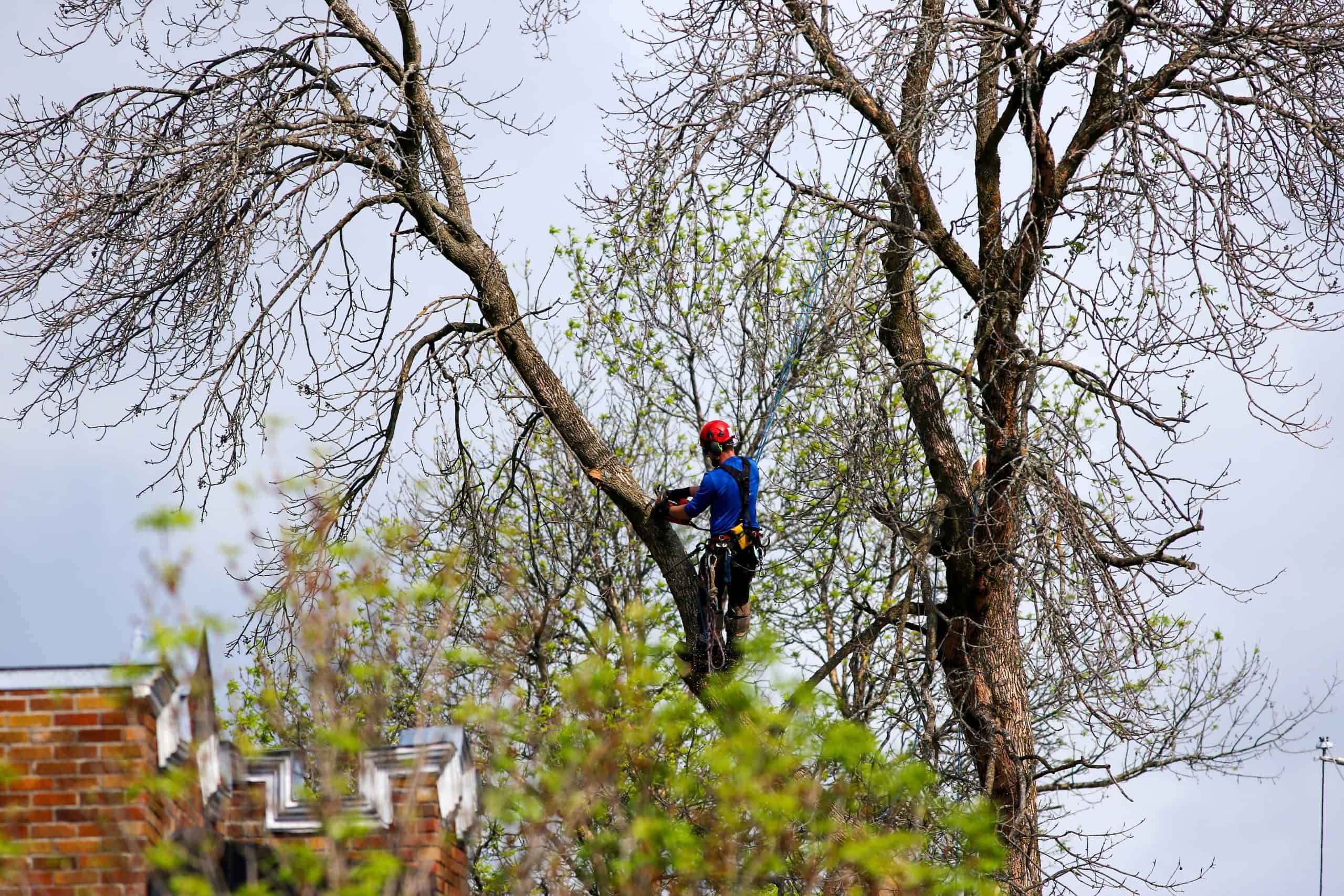
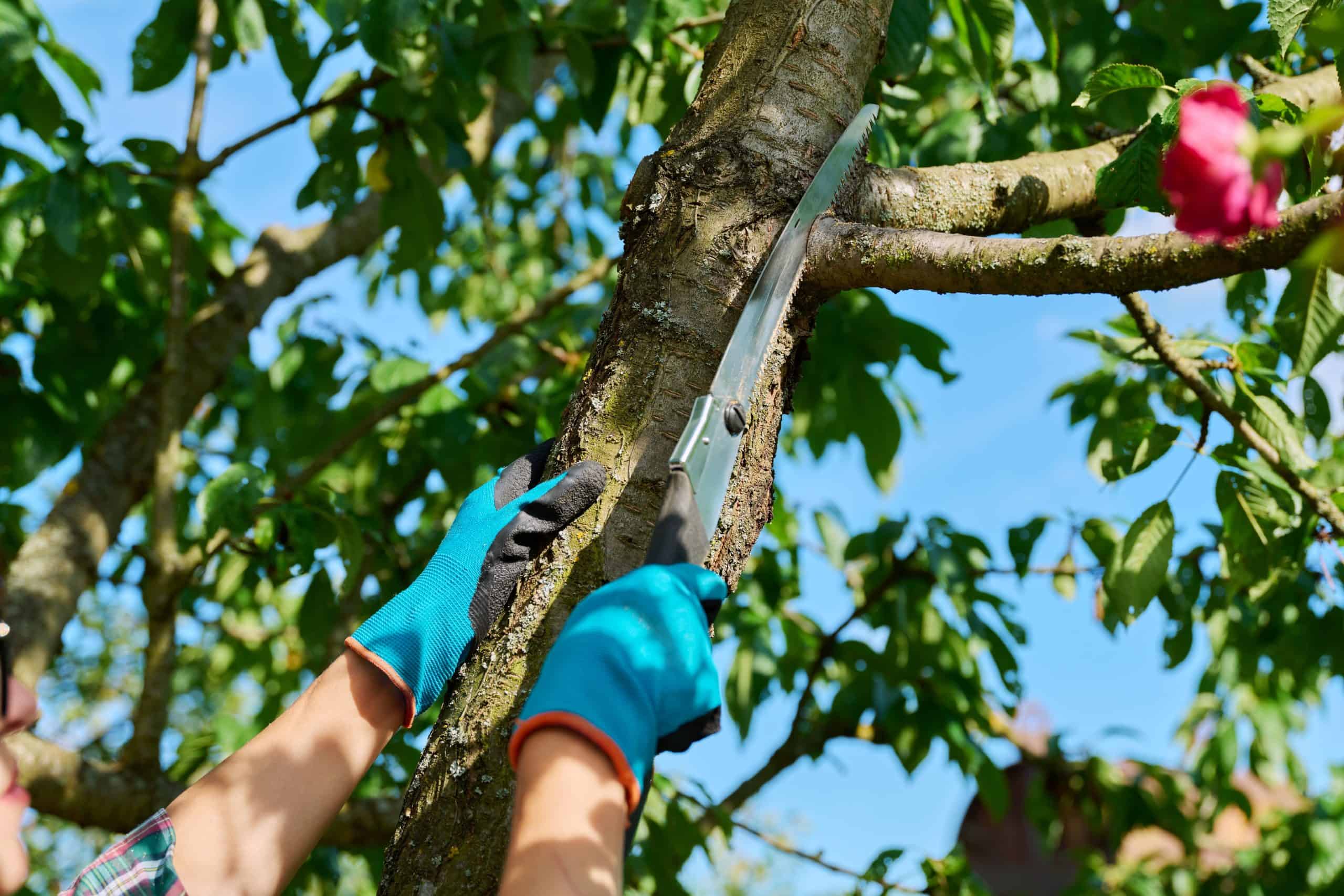
A properly trimmed tree doesn’t just look better — it behaves better. Branches that used to hang over your roof or scrape your fence line are gone. The canopy is balanced. The structure is sound. And when the next severe thunderstorm rolls through Johnson County with 60 mph gusts, you’re not standing at the window wondering which limb is coming down first.
That matters more in Lenexa than people realize. This city sits squarely in Tornado Alley, and the National Weather Service regularly issues warnings that explicitly call out tree damage as an expected outcome. The established neighborhoods along the 87th Street and 95th Street corridors — homes built in the 80s and 90s with trees that have had three decades to grow unchecked — carry real risk when those storms hit. Proactive trimming is one of the most practical things a homeowner here can do before spring storm season opens up.
The other thing that changes is visibility and clearance. Canopy raising along driveways, fences, and walkways restores sightlines and access without harming the tree. Overgrown tree trimming in Lenexa is also one of the cleaner ways to improve curb appeal — and in a community that takes property appearance seriously, that’s not a small thing.
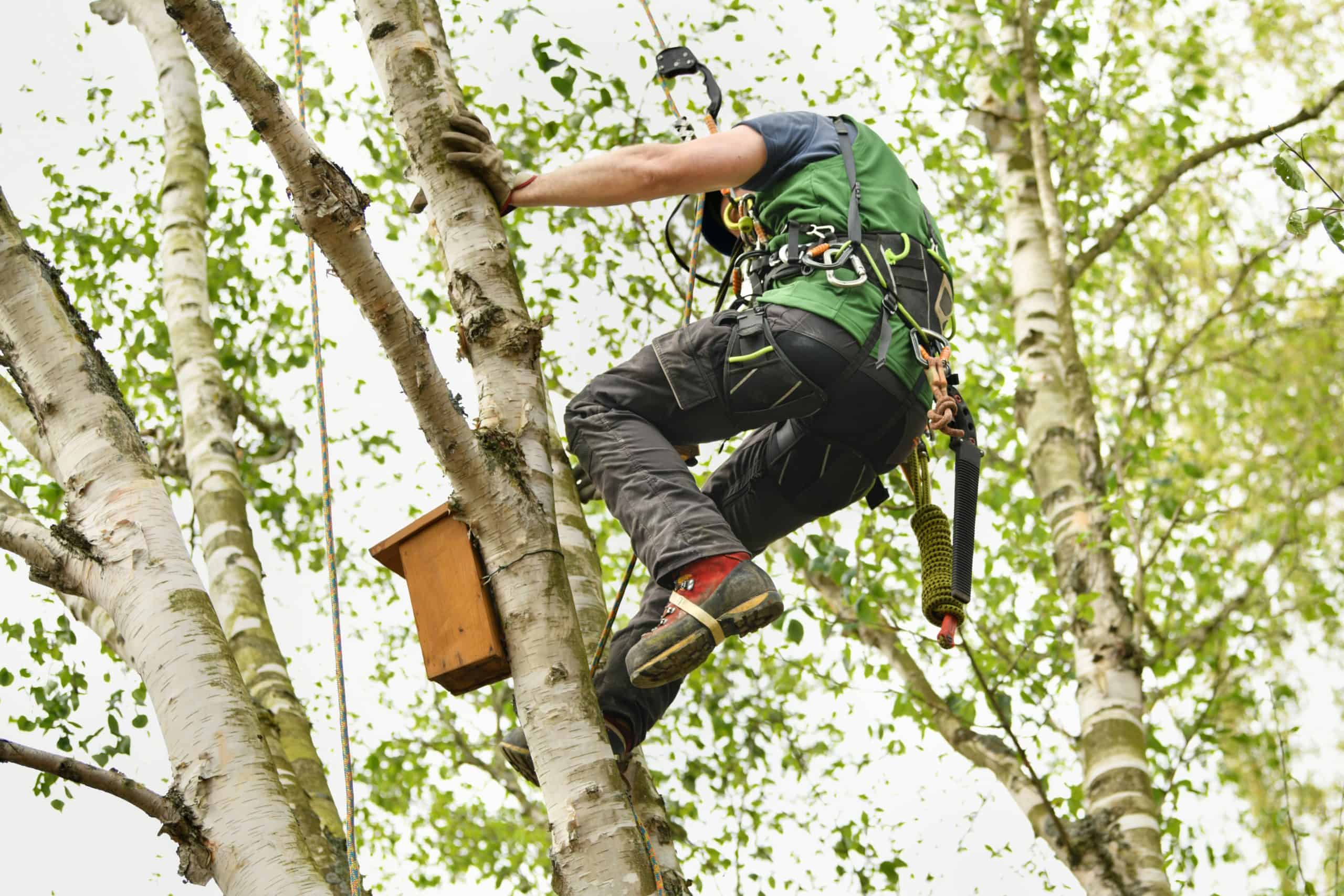
We are a family-owned, fully insured tree care company based right here in Kansas. Lenexa is one of our core service areas — not a stretch of the map, not a new expansion. We’ve been working across the Kansas City, KS & MO metro for over 10 years, and we’ve safely removed or trimmed more than 1,200 trees with a 100% safety record. That’s not a marketing line — it’s the number that matters most when a crew is working 40 feet up over your driveway.
The rating backs it up too: 4.9 stars across 40-plus verified reviews, with customers specifically calling out the safety of the work, the fair pricing, and the cleanup. We were also recognized by Quality Business Awards in 2024 as a top 1% business in our category with a quality score above 95%. For homeowners in Canyon Creek, Cottonwood Canyon, or anywhere else in Lenexa with mature trees on the property, that track record is exactly what you want to see before anyone picks up a chainsaw near your home.
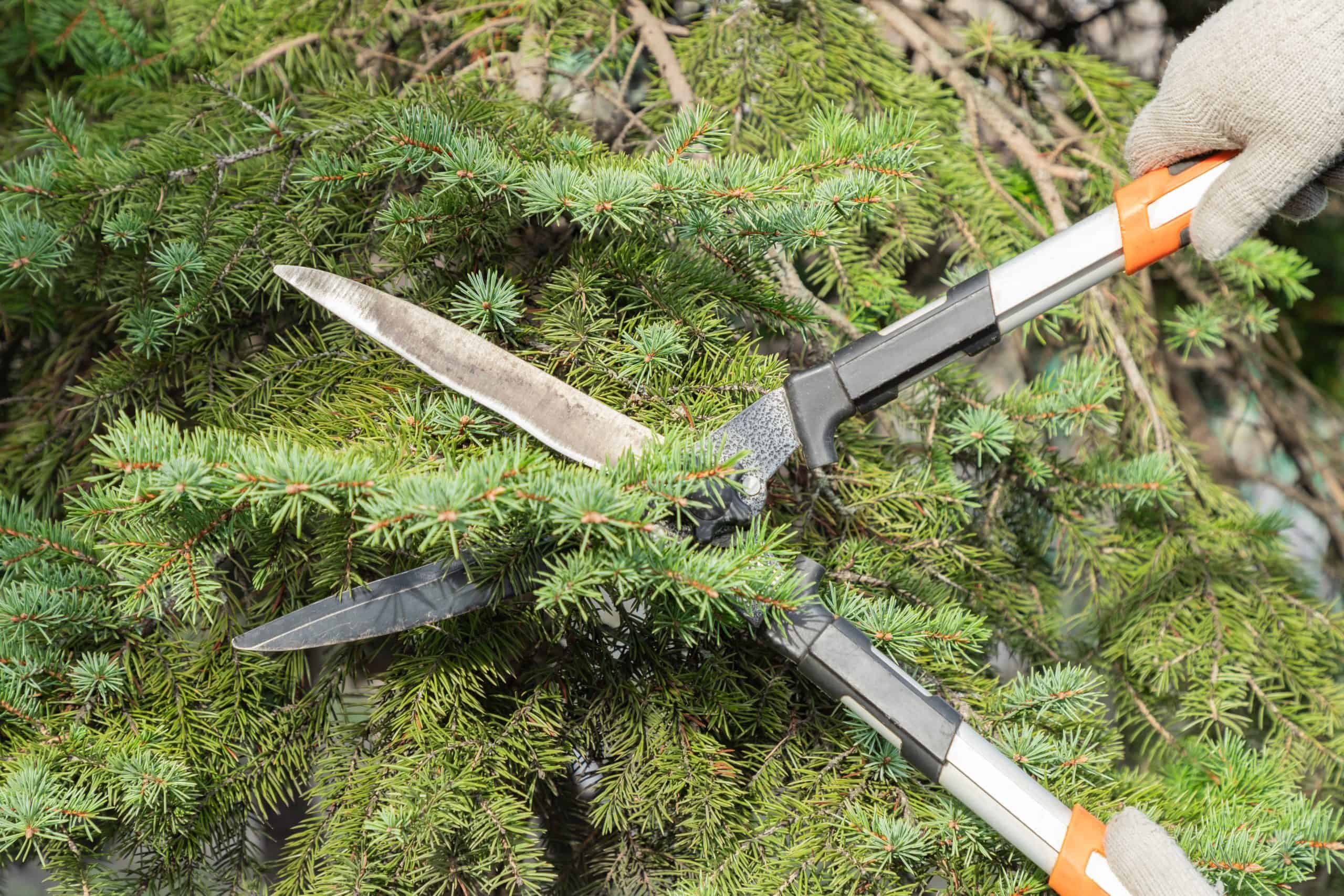
It starts with a free quote, and most of the time that quote happens the same day you reach out. Someone from our crew comes out to your property, walks the trees with you, and gives you an honest assessment of what needs to be done and what it will cost. No pressure, no runaround. Prices vary based on the size and condition of the trees, but you’ll know the number before any work begins.
Once you’re ready to move forward, we handle everything. For mature trees in Lenexa’s established neighborhoods — the kind that have grown tall and wide over 30-plus years — the work typically involves canopy trimming to reduce wind load, branch removal to clear structures and sightlines, and shaping to restore the tree’s natural form. If you’re in an area near the Mill Creek or Brush Creek corridors, those bottomland trees often grow fast and develop weaker wood, so the structural assessment matters more than it might elsewhere.
For oak trees specifically, timing matters — oak trimming in this region needs to happen outside the window when picnic beetles are active, to prevent oak wilt from spreading. We know this and work accordingly.
When the job is done, everything gets cleaned up. No piles of branches left on the lawn, no chips scattered across the driveway. Full cleanup is included on every job — and if you want to keep the wood or mulch, just say so.
Ready to get started?
Tree trimming and tree pruning are related but not the same thing, and it’s worth understanding the difference before you hire anyone. Trimming is primarily about managing size, shape, and clearance — controlling overgrowth, lifting the canopy above structures, and keeping branches from encroaching on your roof, fence, or neighbor’s yard. Pruning is more about the tree’s health — removing dead, diseased, or crossing branches that compromise structure and invite disease. We handle both, and on most residential jobs in Lenexa, you’re going to need some of each.
For homeowners in Johnson County dealing with the aftermath of the emerald ash borer die-off, there’s an additional layer to consider. The EAB has taken out a significant portion of the ash trees that were planted across Lenexa’s established neighborhoods in the 80s and 90s — the City of Lenexa even has a Street Tree Replacement Fund to help homeowners replace them. But when those ash trees come down, the surrounding oaks, maples, and sycamores suddenly get more light, more wind exposure, and more room to grow unevenly. Canopy trimming and tree shaping for those remaining trees is something a lot of Lenexa homeowners haven’t thought about yet, but should.
We include full debris cleanup on every job. Lenexa has specific leaf and yard waste disposal regulations, and we leave your property in compliance — nothing piled on the curb, nothing left for you to deal with. If there’s a specific branch situation near a structure, a fence line, or a shared property boundary, we address that directly during the walkthrough.
The honest answer is that it depends on the size and condition of the trees, how many you’re having done, and how accessible they are. Nationally, most homeowners pay somewhere between $300 and $900 per tree, for smaller trees running closer to $150–$250 and larger ones going $500 and up. In Lenexa, where a lot of the residential trees in neighborhoods like Canyon Creek and Falcon Valley have had 30-plus years to grow, you’re often dealing with larger, more complex trees — so it’s reasonable to expect jobs to trend toward the middle to upper end of that range.
The best way to know what your specific job will cost is to get a quote from us. We offer free same-day estimates, so you can find out exactly what you’re looking at before you commit to anything. There’s no pressure and no obligation — just a straight answer on what the work involves and what it will cost.
For most tree species in this area, late winter — roughly February through March — is the ideal window. Trees are dormant, so you can see the branch structure clearly, there’s less risk of spreading disease through fresh cuts, and the trimming promotes strong new growth once spring arrives. For Lenexa homeowners, getting trimming done before the spring severe weather season is also a practical consideration — Johnson County regularly sees high-wind thunderstorm events, and a well-trimmed canopy handles those conditions significantly better than an overgrown one.
Oak trees are a specific exception worth knowing about. Oak wilt is a real concern in this region, and it spreads through wounds on freshly cut oak trees when certain beetles are active. That means oak trimming should be done outside the beetle activity window, typically in late fall through early winter or during the coldest part of winter. If you have oaks on your property in Lenexa, make sure whoever you hire is aware of this — it’s not a minor detail.
Canopy raising is the process of removing the lower limbs of a tree to elevate the base of the canopy — essentially creating more clearance between the ground and where the tree’s branches begin. It’s one of the most commonly requested services in Lenexa’s established neighborhoods, where trees planted decades ago now have branches hanging over driveways, blocking sightlines at the end of a driveway, scraping rooflines, or overhanging fences along shared property lines.
If you’re in a subdivision like Falcon Ridge or Indian Trails where the homes are close together and the trees have had years to spread, canopy raising is often the most practical way to address clearance issues without removing the tree entirely. It’s done carefully — removing too many lower limbs at once can stress the tree — so a proper assessment of how much can be safely removed in one session is part of the process. The result is a tree that still looks full and healthy from the street but no longer creates problems at ground level.
These two terms get used interchangeably, but they describe different goals. Tree trimming is primarily about managing the size and shape of a tree — keeping it from overgrowing its space, clearing it away from structures, and maintaining the look of the canopy. It’s driven more by what’s practical for the property than by what the tree specifically needs.
Tree pruning is more health-focused. It involves removing branches that are dead, diseased, crossing and rubbing against each other, or structurally weak — the kind of branches that don’t just look bad but actively compromise the tree’s long-term stability. In Lenexa, where a lot of the residential tree canopy is now 30 or 40 years old, pruning has become increasingly important. Trees at that age tend to develop more structural complexity, and the ones that haven’t been properly maintained often have hidden issues — weak branch unions, deadwood, or crossing limbs — that aren’t obvious from the ground but show up clearly to an experienced crew. Most residential jobs here involve some combination of both.
The emerald ash borer situation in Lenexa is real and ongoing. The die-off hit the city’s established neighborhoods hard, particularly the ones developed in the 1980s and 90s when ash was a popular street and yard tree. The City of Lenexa has even set up a Street Tree Replacement Fund specifically to help homeowners replace EAB-killed ash trees — that’s how widespread the issue has become.
If your ash trees are already gone or showing signs of EAB damage, the main concern for your remaining trees is what changes after the ash comes down. Neighboring oaks, maples, and sycamores that were shaded or sheltered by the ash canopy now have more direct sun, more wind exposure, and more room to grow unevenly. That shift in conditions often leads to imbalanced canopy growth and increased wind-load risk. Getting those remaining trees assessed and trimmed to account for the new conditions is a practical step — not an emergency, but something worth doing before the next storm season rather than after.
The two non-negotiables are general liability insurance and workers’ compensation insurance. General liability covers damage to your property if something goes wrong during the job. Workers’ comp covers the crew if someone gets hurt on your property. Without both, you’re exposed — and in Lenexa, where median home values are pushing $484,000, that’s real financial risk. Always ask for proof of both before anyone starts work.
Beyond insurance, look at the specifics in their reviews — not just the star rating, but what customers actually say. Reviewers who mention cleanup, fair pricing, and how the crew handled the job are more useful than generic five-star comments. Also pay attention to whether the company gives you a written estimate before starting work, whether they actually come out to assess the job in person rather than quoting over the phone, and whether they can explain what they’re doing and why. A crew that can walk your property with you and speak plainly about what each tree needs — without overselling or padding the scope — is generally a crew worth trusting.
Other Services we provide in Lenexa