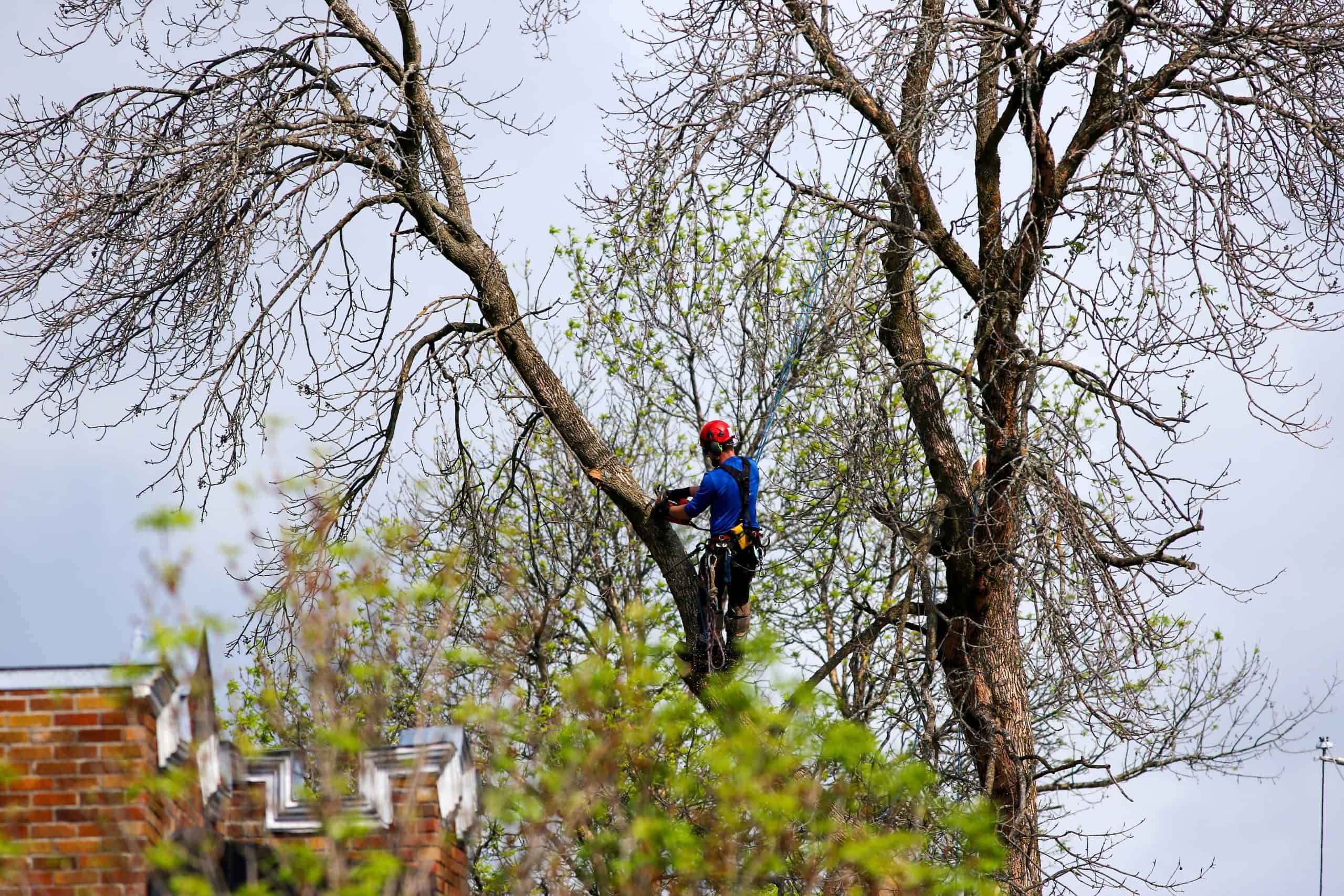
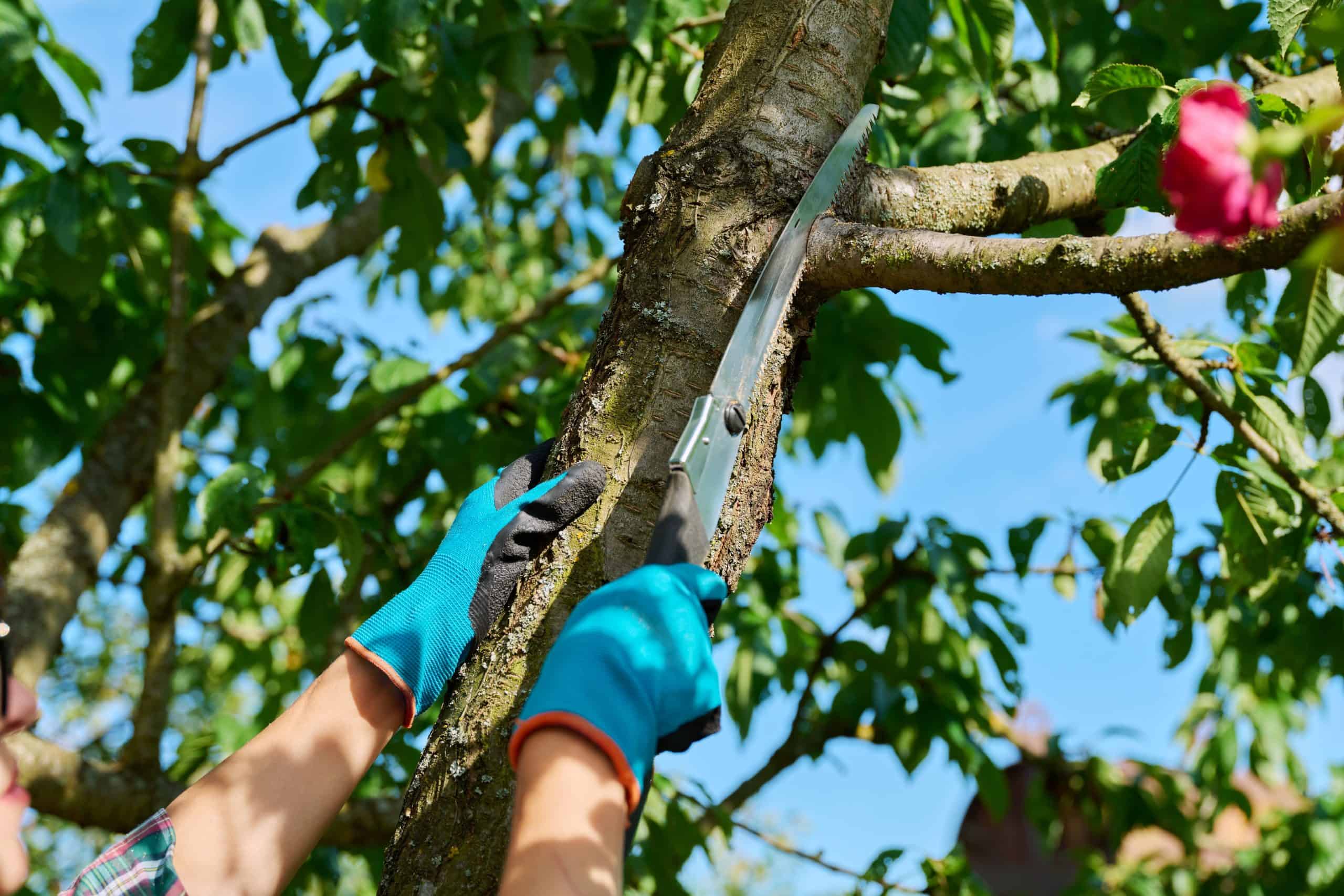
When a tree has been left alone for a few years, you start to notice it everywhere. Branches hanging over the roofline. Canopy blocking light from the windows. Limbs close enough to the fence that one bad storm could take it down. Once those issues are dealt with by someone who knows what they’re doing, the difference is immediate — and it’s more than just looks.
Gardner sits right in Johnson County’s confirmed severe weather corridor. That EF-1 tornado that touched down near Gardner a few years back wasn’t an isolated event — straightline winds, large hail, and damaging storms roll through this area regularly. A tree with a full, unpruned canopy catches a lot more wind load than one that’s been properly thinned. Canopy trimming and dead branch removal aren’t just maintenance tasks here — they’re genuinely practical storm preparation for a community that sees real weather.
Then there’s the growth factor. Gardner has added more new homes than almost any other community in Johnson County, and those subdivision trees planted in the 2010s and early 2020s are now mature enough to need real attention. Without proper shaping and structural pruning at this stage, they develop poor form that becomes expensive to correct later. Getting ahead of it now is almost always the smarter call — and the more affordable one.
We’ve been doing this work across the Kansas City, KS & MO metro — including Johnson County communities like Gardner, Olathe, and Lenexa — for over a decade. Our crew is local, fully insured, and has managed more than 1,200 trees with a 100% safety record. That’s not a number pulled from thin air. It’s the actual count, and it matters when someone is working 40 feet up near your roofline or fence.
The reviews back it up too. A 4.9-star rating across more than 40 verified reviews, with customers specifically calling out the fair pricing, the clean execution, and the fact that the yard was left spotless when the job was done. No debris piles. No damage to neighboring property. Just the work, done right.
Gardner is a community that takes its homes seriously — median values have nearly tripled here over the past two decades. We treat every Gardner property accordingly.
It starts with a free quote, and most of the time that quote happens the same day you reach out. We come out to your Gardner property, look at the trees in person, and give you a straight number — no vague phone estimates, no pressure to book on the spot. You’ll know what the job costs before any work begins.
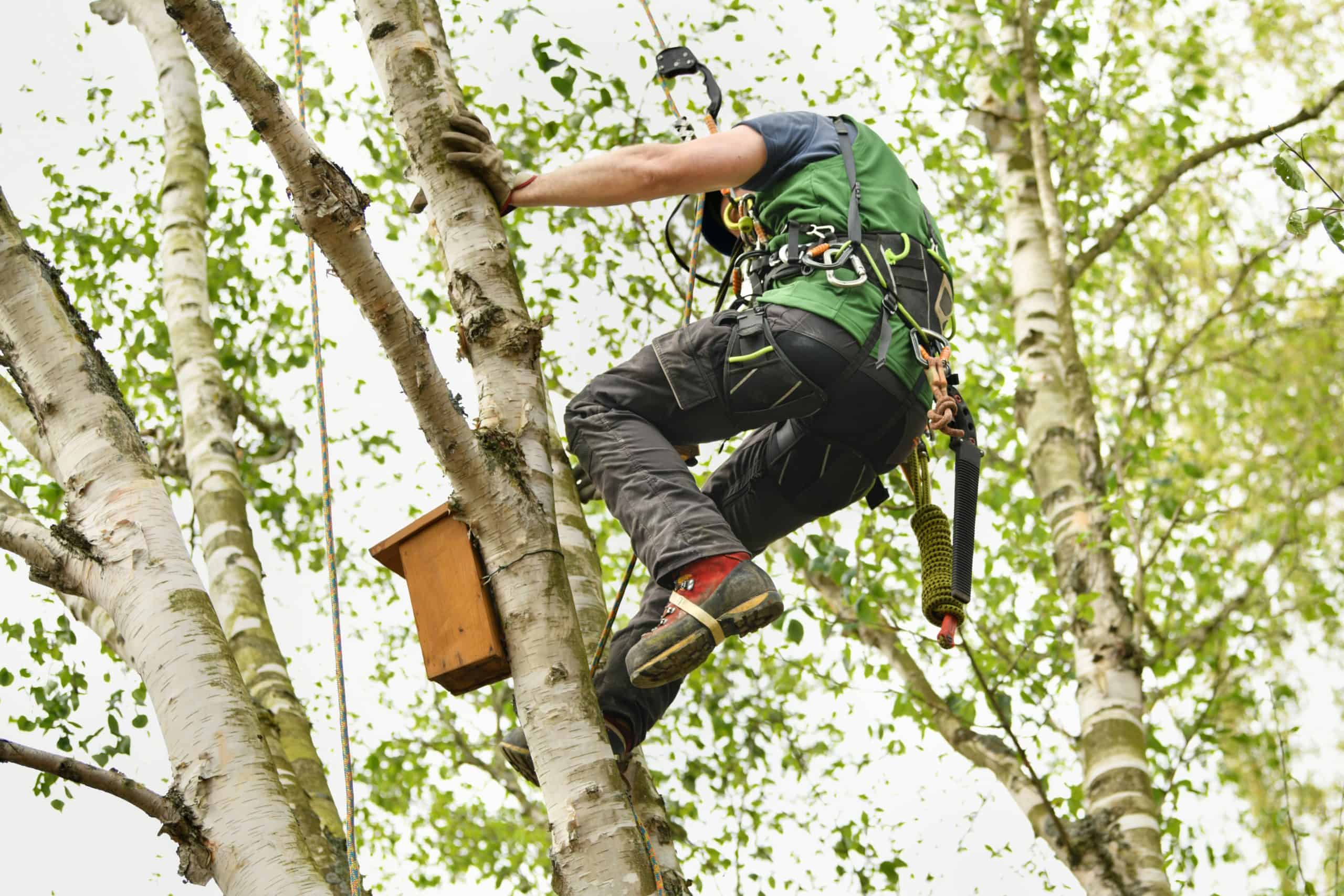
Once you’re ready to move forward, our crew arrives with everything they need. No trips back for equipment, no half-finished jobs. We assess each tree on-site — looking at structure, dead wood, canopy density, clearance from your roofline, driveway, or any structures on the property. For trees like Oaks and Elms, which are common in Gardner neighborhoods, timing matters. Oaks in particular need to be trimmed in late winter or early spring to avoid Oak Wilt, a disease that spreads through fresh cuts during the growing season. If timing is a factor for your specific trees, we’ll tell you upfront.
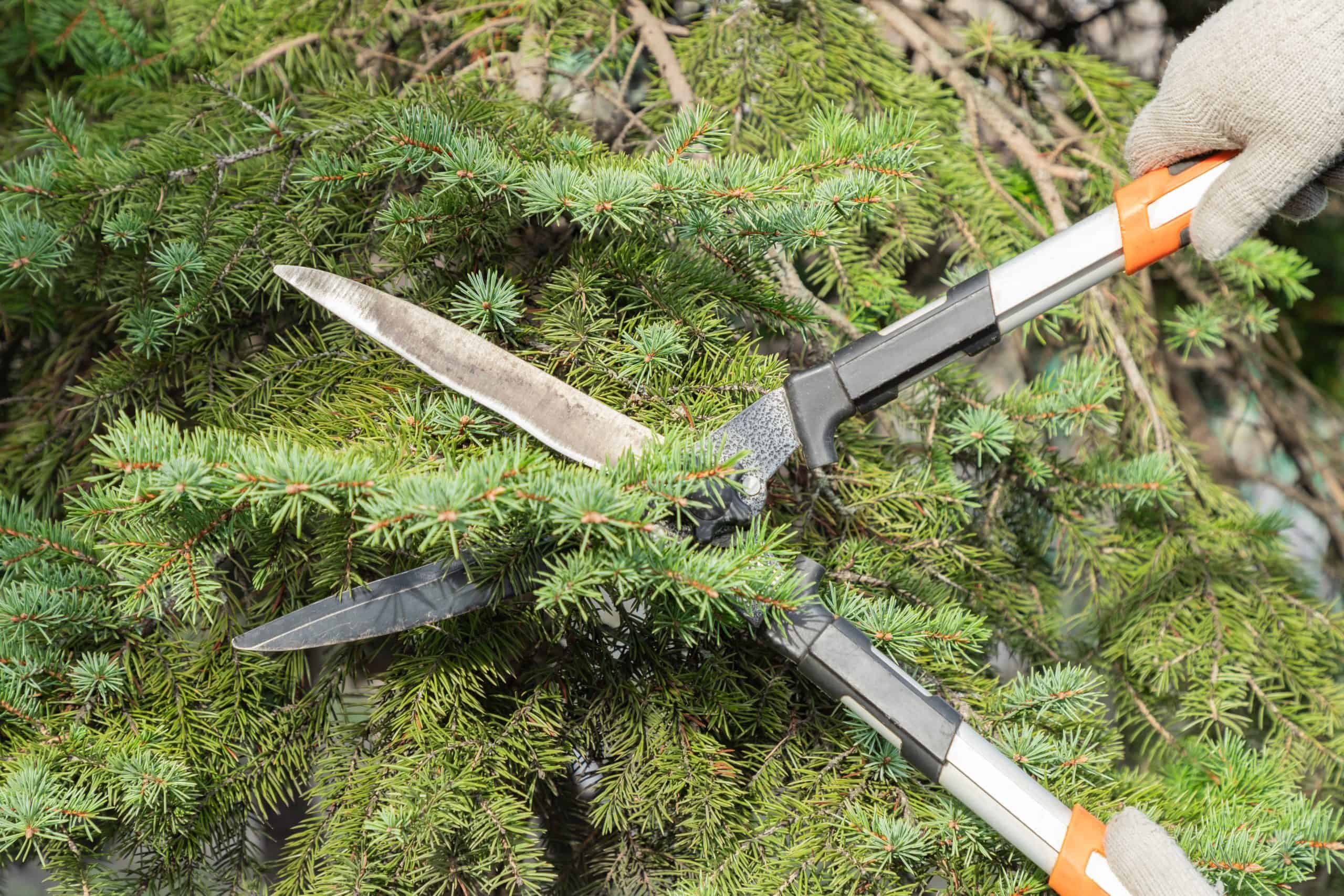
The trimming itself — whether that’s canopy thinning, dead branch removal, canopy raising, or structural shaping — gets done cleanly and carefully. When the work is finished, we clean up completely. Every branch, every chip. You can keep the wood or mulch if you want it, or we haul it all away. Either way, your yard is left neat and safe before we leave.
Ready to get started?
Tree trimming covers a range of work depending on what your trees actually need. Canopy raising lifts the lower limbs to restore clearance and light — this is one of the most common requests in Gardner’s established subdivisions like Winchester Estates and Genesis Creek, where trees planted years ago have dropped their canopies low enough to block driveways and windows. Crown thinning reduces the density of the canopy without changing the tree’s overall shape, which reduces wind load — especially relevant heading into Johnson County’s spring storm season. Dead branch removal clears out the wood that’s most likely to become a hazard in a high-wind event.
Tree shaping addresses the overall structure and form of the tree, which matters most for younger trees in Gardner’s newer developments that haven’t been professionally managed yet. Left unaddressed, poor structure at this stage leads to crossing limbs, weak branch unions, and canopies that grow into each other — all of which get more expensive to correct the longer they’re ignored.
Every job includes full cleanup — no debris left behind, no piles stacked at the edge of the yard. The work is covered by full liability insurance and workers’ compensation, which protects you as a Gardner homeowner if anything unexpected happens on your property. For trees near the street or within the public right-of-way, Gardner’s municipal tree ordinance (Chapter 12.35) gives the city authority over those trees — we can help you understand what falls under your responsibility versus the city’s before any work begins.
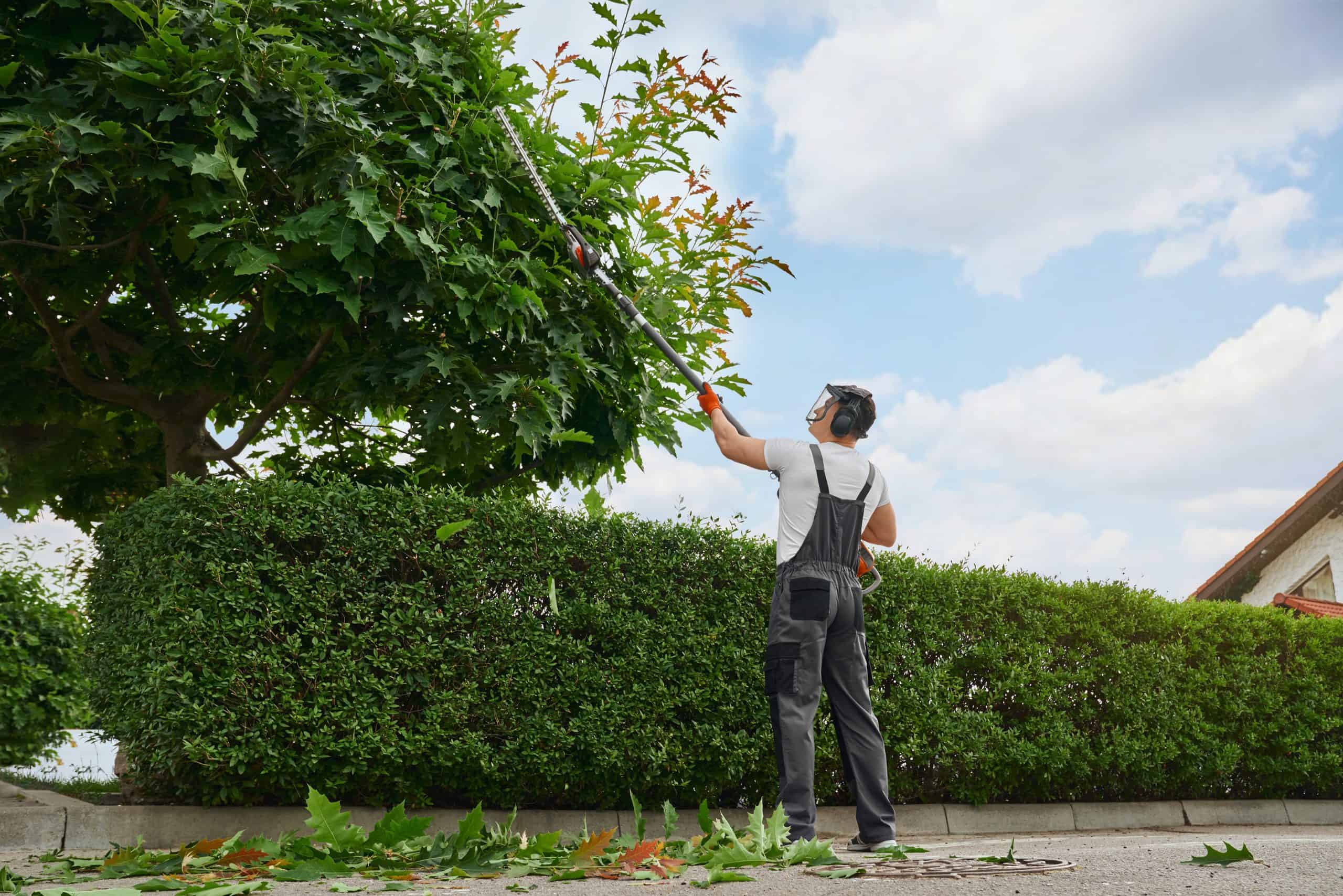
For most deciduous trees — the Maples, Elms, and Hackberries you’ll find throughout Gardner’s neighborhoods — late winter to early spring is the ideal trimming window. The trees are dormant, which means less stress on the tree, fewer active insects, and cleaner structural visibility since the branches are bare. It’s also easier to spot dead wood and weak unions when there’s no leaf cover.
That said, timing isn’t one-size-fits-all. Oaks are a specific case worth knowing about: they should be trimmed in late winter, before temperatures warm up and beetles become active. Oak Wilt spreads through fresh pruning cuts during the growing season, and it can kill a tree that would otherwise be perfectly healthy. If you have Oak trees on your Gardner property — and many established neighborhoods here do — getting the timing right isn’t optional, it’s part of doing the job correctly. We’ll assess your specific trees and advise on the right window before any cuts are made.
Nationally, most homeowners pay somewhere between $300 and $900 per tree, with the average landing around $460. What you’ll actually pay depends on the size of the tree, how many trees are involved, how accessible they are, and whether any of them are near structures, fences, or power lines — all of which affect the complexity of the job.
In Gardner specifically, a lot of the trees in newer subdivisions are medium-sized at this point — large enough to need professional attention, but not yet the massive specimens you’d find in older inner-ring suburbs. That often puts the cost toward the lower end of the range for a straightforward job. The best way to know what you’re looking at is to get a free on-site quote, which we provide same-day in most cases. You’ll get a clear number before any work begins — no vague estimates, no surprises after the job is done.
They’re related, but they serve different purposes. Trimming is primarily about controlling size, shape, and clearance — keeping branches away from your roofline, driveway, or neighboring property, and maintaining the visual form of the tree. It’s the work that makes the most visible difference to how your yard looks from the street.
Pruning goes deeper into the tree’s health and structure. It focuses on removing dead, diseased, or crossing branches that are creating problems inside the canopy — things you might not notice from the ground but that a trained eye can identify on-site. Both types of work matter, and for most trees they overlap. When we come out to your Gardner property, we’re looking at both — what the tree needs structurally and what it needs to stay clear of your home and yard. You don’t have to decide which one you need before you call. That’s what the on-site assessment is for.
For trees on your private property, routine trimming and pruning generally don’t require a permit in Gardner. You have the right to manage trees on your own land, and that includes trimming branches that overhang from a neighbor’s property onto yours — Kansas property law allows that without needing permission, as long as you’re not trespassing or damaging the tree itself.
Where it gets more complicated is with trees in the public right-of-way — the strip of land between your property line and the street. Gardner’s municipal tree ordinance (Chapter 12.35) gives the city authority over trees in street rights-of-way, parks, and public spaces. If you’re dealing with a tree that sits in or near that zone, the city’s involvement may be required before any work is done. It’s worth clarifying before you start. We can help you identify where your trees fall and whether any coordination with the city is needed — it’s a straightforward conversation that’s much easier to have before the job than after.
This is worth taking seriously, especially in Johnson County. Kansas property law is fairly clear on this: if a tree on your property showed visible signs of being hazardous before it caused damage — dead branches, significant overgrowth, structural problems — you can be held liable for the resulting damage to neighboring property. A storm that knocks down a branch you knew was dead and hanging over your neighbor’s fence is a different legal situation than a genuinely unforeseeable weather event.
Gardner has experienced confirmed tornado activity and frequent straightline wind events that regularly exceed 100 mph in Johnson County. Unpruned trees with heavy canopies and dead wood are significantly more vulnerable in those conditions. The practical risk is real — a branch that comes down on a fence, a car, or a structure is a problem you now have to deal with after the fact, at higher cost and with more disruption than proactive trimming would have required. Getting trees assessed and trimmed before storm season is one of the more straightforward ways to reduce that exposure.
A few things are worth looking at. Dead or hanging branches are the most obvious sign — if you can see dry, leafless wood in the canopy during growing season, that’s dead wood that needs to come out. Branches that are growing toward your roofline, rubbing against your house, or hanging over your driveway are clearance issues that will only get worse. A canopy that’s become so dense it’s blocking light from your windows or yard is a candidate for thinning.
For trees in Gardner’s newer subdivisions — the ones planted when the neighborhood was built 10 to 15 years ago — the question isn’t always whether they look bad. It’s whether they’ve developed the right structure. Trees that haven’t been professionally shaped during their growth phase often develop crossing limbs, weak branch attachments, and uneven weight distribution that isn’t visible from the ground but creates real problems over time. An on-site assessment is the most reliable way to know where your trees actually stand. We offer free same-day quotes, so you can get eyes on your trees and a clear answer without any commitment to book.
Other Services we provide in Gardner