
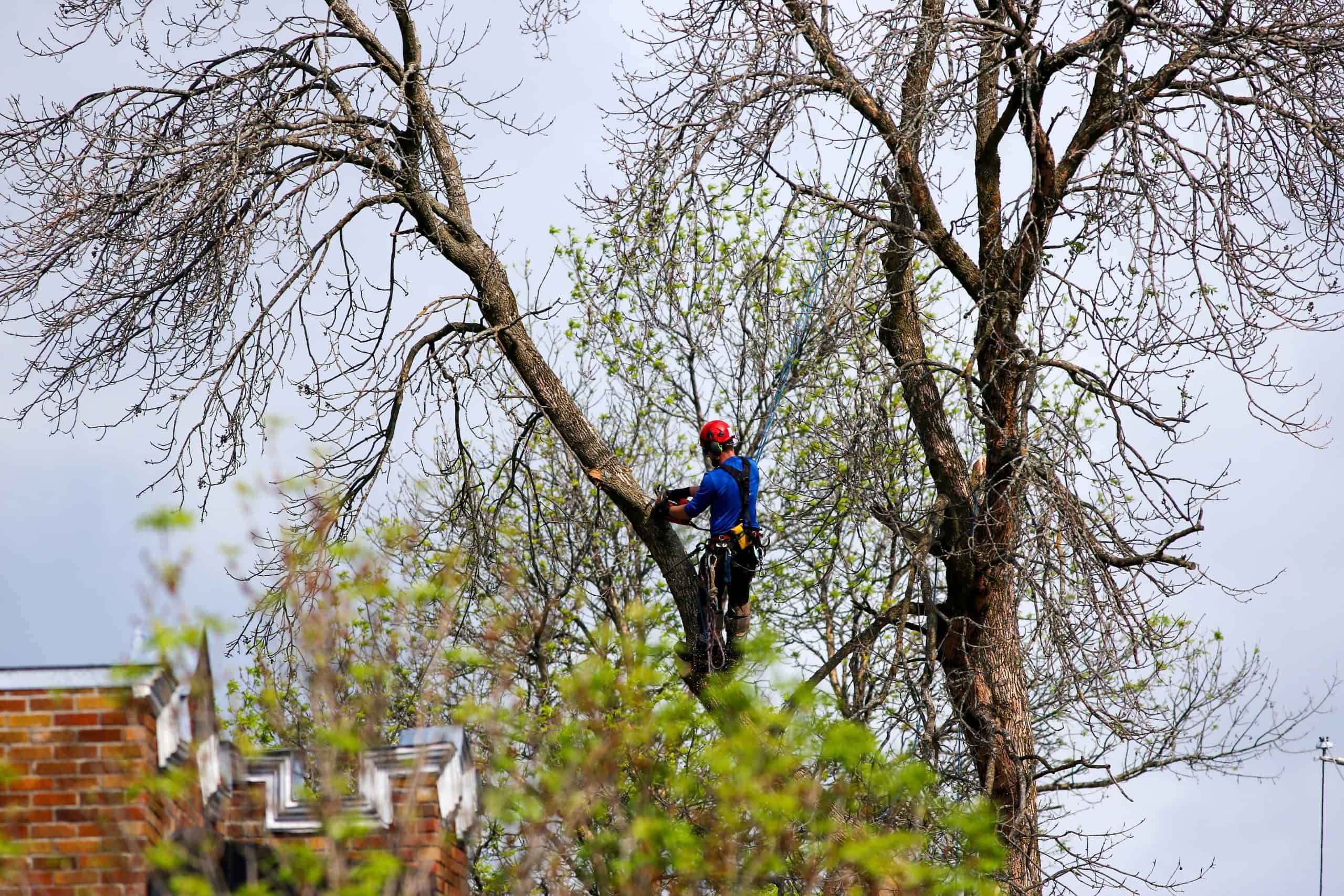
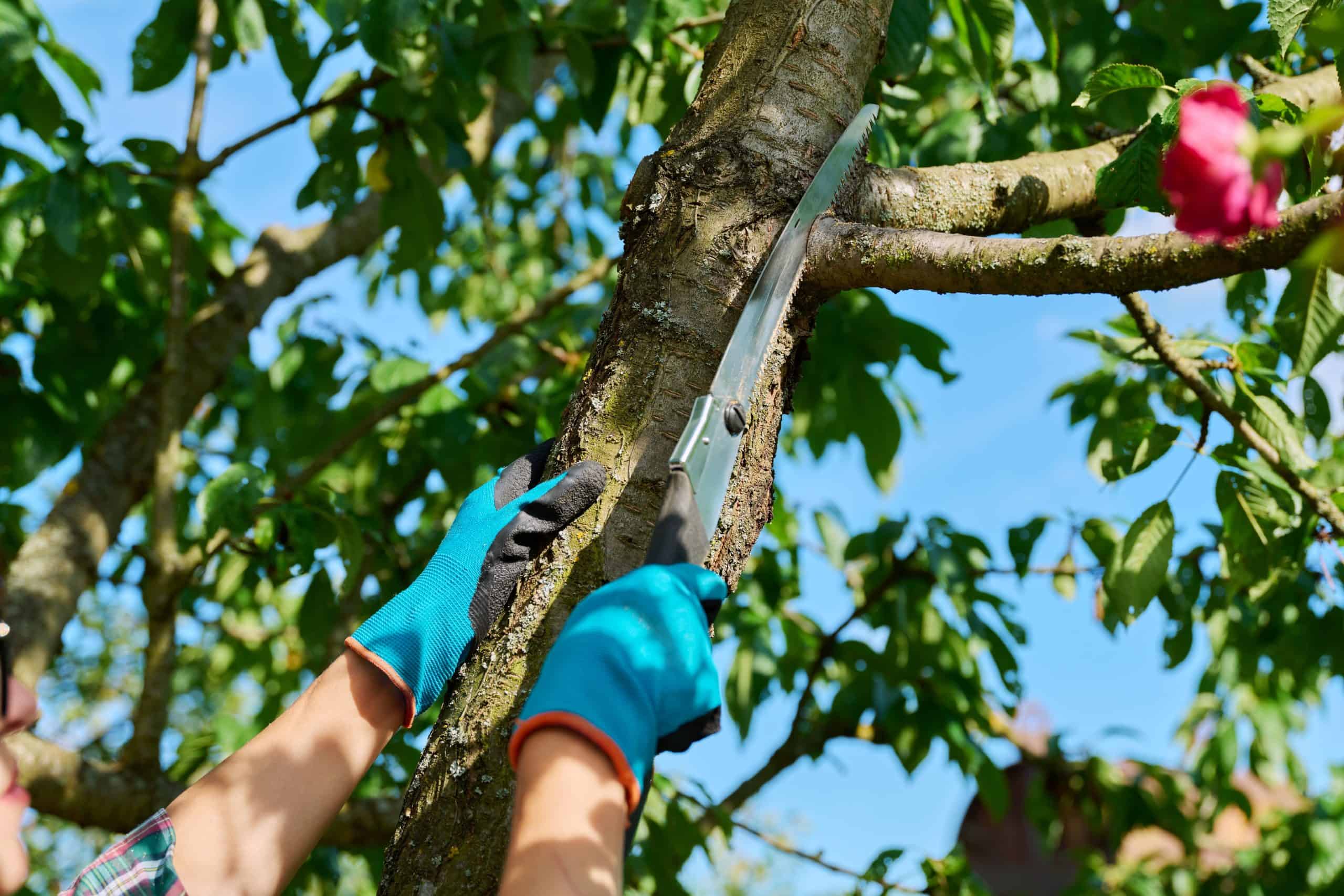
When a tree is properly trimmed, the difference shows up in ways you didn’t expect. The yard feels more open. The driveway isn’t a hazard after a windstorm. The house looks like someone actually takes care of it — because they do.
For Basehor homeowners, that matters more than it might in other places. Median home values here are pushing $400,000, and a lot of those homes sit in HOA-governed communities like Falcon Lakes where the Architectural Review Committee notices what your property looks like. Overgrown canopies, dead branches hanging over rooflines, and trees that haven’t been shaped since they were planted aren’t just eyesores — they’re compliance issues and liability risks.
Then there’s storm season. Leavenworth County sits in confirmed severe weather territory, and the Kansas City, KS & MO metro sees high-wind events, large hail, and periodic ice storms that put real stress on heavy, unpruned canopies. A dense, overgrown tree doesn’t just look bad in a storm — it acts like a sail. The branches that drop are almost always the ones that hadn’t been touched in years. Getting ahead of that before April hits is smart property management.
We’re a family-owned, fully licensed and insured tree care company based in Kansas City, KS & MO, KS. We’ve been working across the Kansas side of the metro for over ten years, and Basehor — sitting right on US-24 — is well within the territory we know.
This isn’t a national franchise running a call center out of state. We’re a small crew that lives and works in this region, understands the tree species common to Leavenworth County, and knows what Kansas weather does to a yard over a decade of growth. We’ve safely managed more than 1,200 trees with a 100% safety record, and we carry a 4.9-star rating across more than 40 verified reviews — with specific, repeat praise for cleanup, fair pricing, and showing up when we say we will.
If you’re in Falcon Lakes, one of the newer subdivisions off 158th Street, or anywhere else in Basehor, the process starts the same way: a free quote, same day, no pressure.
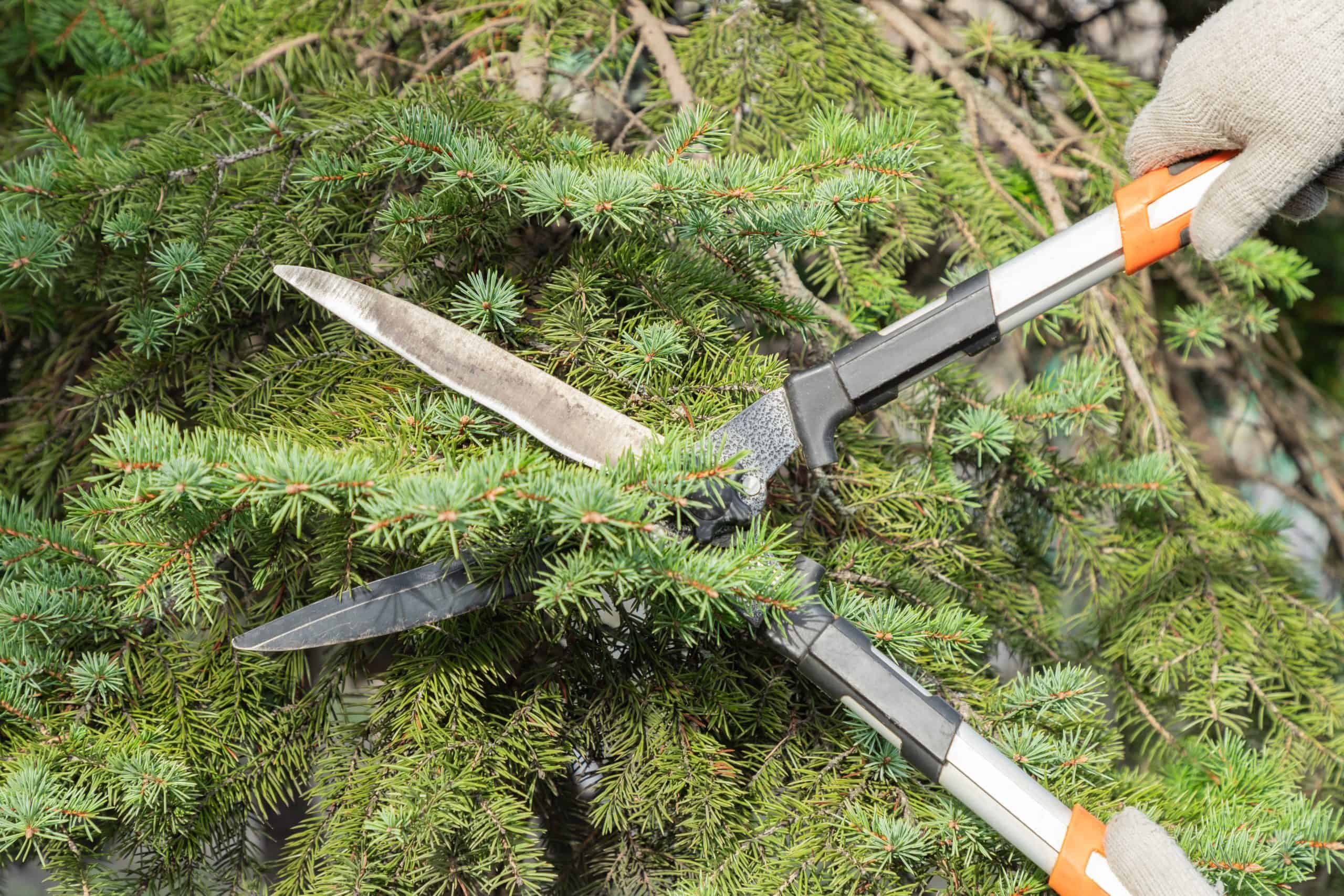
It starts with a call. Most quotes in Basehor are given the same day — someone comes out, walks the property with you, and tells you what we see. No phone estimates, no guessing based on a photo. We look at the actual trees, the actual clearances, and give you a real number before anything starts.
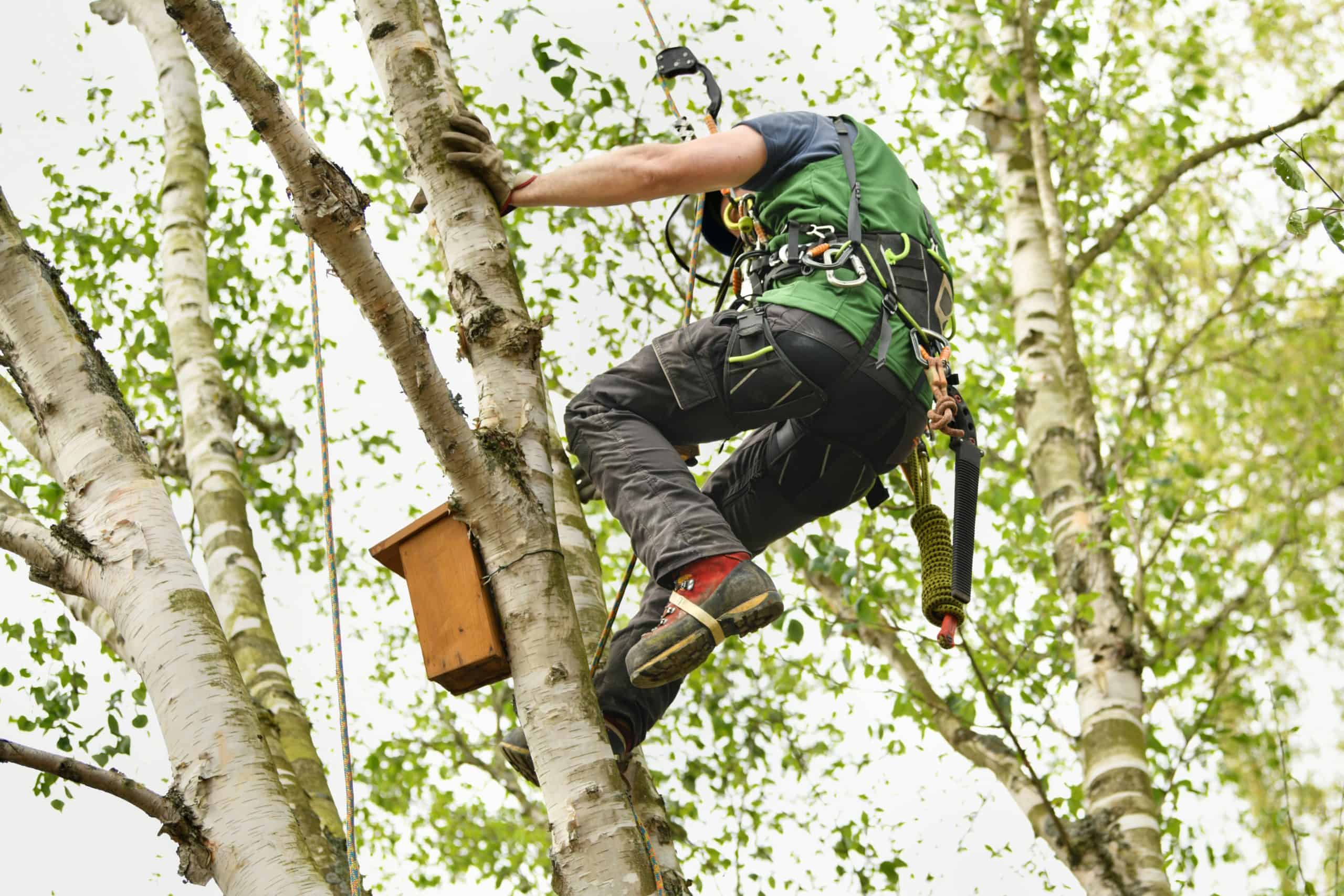
Once you’re ready to move forward, we schedule the work around your availability. When we arrive, we assess each tree before making a single cut — checking for dead or crossing branches, evaluating the canopy structure, and identifying anything that needs attention before storm season or that’s already creating a clearance issue over your roof, driveway, or fence line. In Basehor’s newer subdivisions, a lot of trees planted in the early 2000s are now large enough to need their first real structural pruning, not just a light shape. That’s a different kind of work, and we treat it accordingly.
When the job is done, everything comes with us. Branches, chips, debris — all of it. Your yard is left clean. If you want to keep the wood or mulch, just say so. If not, it’s gone. That’s the standard on every job, not an upgrade.
Ready to get started?
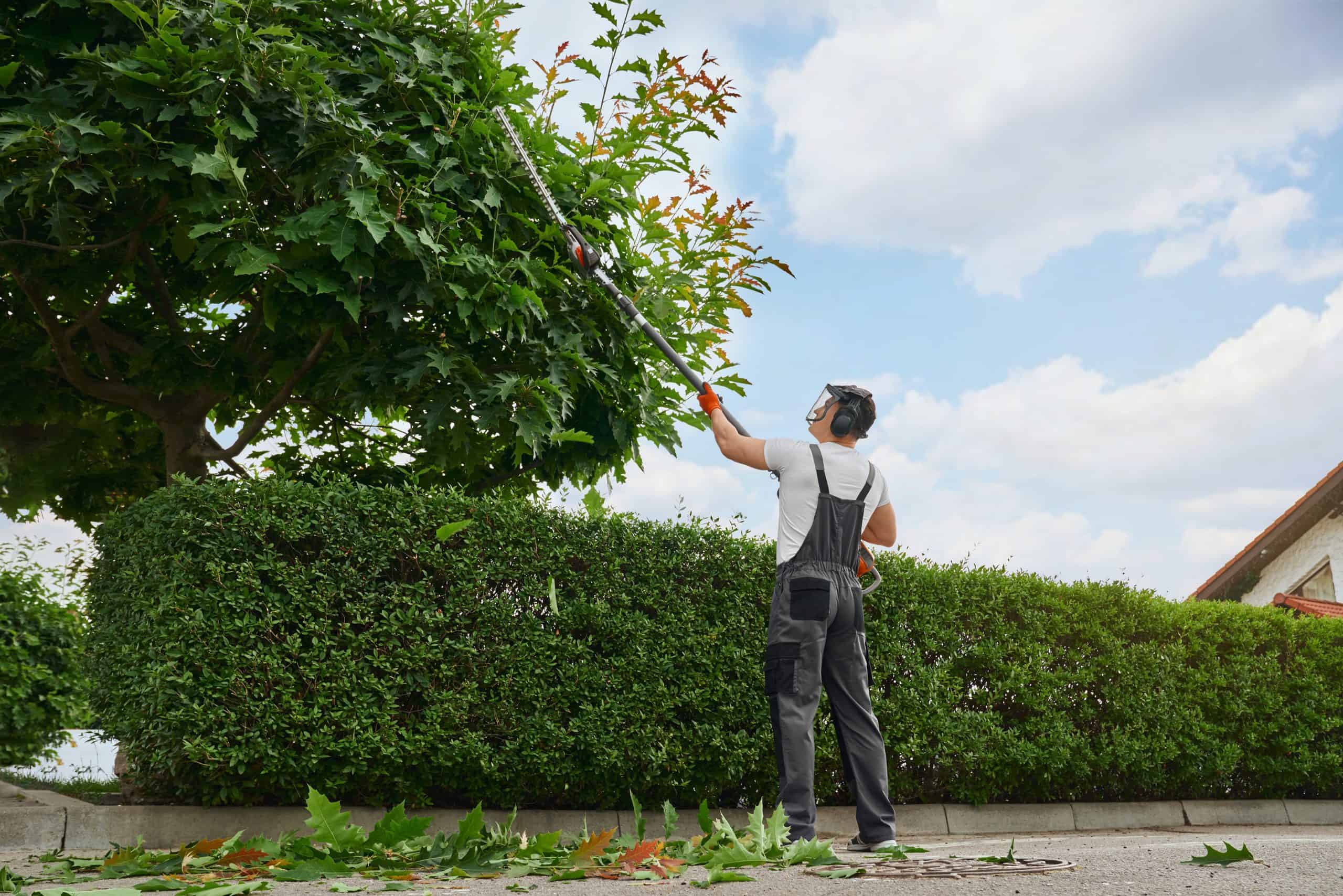
Tree trimming covers more ground than most people realize when they first call. It’s not just cutting back what looks long. Canopy raising — lifting the lower limbs to create clearance beneath a tree — is one of the most common requests in Basehor, especially in neighborhoods where trees have grown over driveways, sidewalks, or fences without being touched since the subdivision was built.
Tree shaping addresses the overall structure and appearance of the canopy, which matters a lot in HOA communities where curb appeal is part of the rules, not just personal preference. Overgrown tree trimming is its own category. When a tree hasn’t been maintained in several years, the work is more involved — removing deadwood, correcting crossing branches that create weak points, and reducing canopy weight that puts the tree at risk during Leavenworth County’s ice storms and high-wind events.
Getting that work done before late winter or early spring — when trees are dormant and we have clear sightlines through the canopy — is almost always the right call. We handle all of this: branch trimming, canopy trimming, tree shaping, canopy raising, and post-storm cleanup when the weather doesn’t cooperate. Every job includes a full property cleanup with no debris left behind, and quotes are always free.
The honest answer is that it depends on the tree — size, height, how long it’s been since it was last trimmed, and how accessible it is all factor into the price. Nationally, most homeowners pay somewhere between $300 and $900 per tree, with smaller trees on the lower end and large, mature trees on the higher end.
In Basehor, where a lot of the housing stock is post-2000 construction, many trees are in that mid-size range — large enough to need professional attention but not yet the kind of oversized specimen that drives costs up significantly. The best way to get a real number for your specific situation is to call for a quote. We offer free same-day estimates, so you’ll know exactly what you’re looking at before you commit to anything. No phone guesses, no surprises after the job is done.
Late winter to early spring is the professional standard for most tree species — roughly February through March, before new growth starts. Trees are dormant during this window, which means less stress on the tree, lower risk of disease or pest issues from fresh cuts, and better sightlines for our crew since the canopy isn’t full of leaves.
For Basehor specifically, timing matters for another reason: severe weather season. The Kansas City, KS & MO metro, including Leavenworth County, sees its most active storm period from April through June. Getting your trees trimmed before that window — reducing canopy weight, removing dead branches, and cleaning up weak limb unions — is one of the most practical things you can do to protect your property before the high-risk months arrive. That said, trimming can be done year-round when needed, and storm damage doesn’t wait for the ideal season. We offer same-day emergency response when it’s urgent.
They’re related but not the same thing, and the distinction matters when you’re describing what your trees actually need. Trimming is primarily about controlling size, shape, and clearance — cutting back branches that have grown too long, raising the canopy over a driveway or roofline, or shaping a tree for appearance. It’s the work most homeowners picture when they think about maintaining their yard.
Pruning is more focused on the tree’s health and structure. It involves removing dead, diseased, or crossing branches that create weak points in the canopy, improving airflow through the tree, and making cuts that support long-term growth rather than just short-term appearance. In practice, a good crew does both on the same visit — you’re not choosing one or the other. When we come out to assess your trees, we’re looking at both the structural health and the practical clearance issues, and we’ll tell you plainly what we find.
Permit requirements for tree work vary by municipality, and Basehor operates under its own city codes and zoning regulations — separate from Leavenworth County’s rules, which apply to unincorporated areas outside city limits. For routine trimming, permits are generally not required. For removal — particularly larger trees or trees in certain locations — some cities do require prior approval, and Basehor may have specific thresholds that trigger that process.
The practical advice: don’t assume either way. If you’re considering removal rather than trimming, it’s worth a quick call to Basehor’s city planning department to confirm what applies to your property. When you work with us, we can walk you through what we’ve encountered in the area and help you understand whether your project is likely to require any additional steps before we get started. The goal is to make the process straightforward, not to leave you navigating paperwork on your own.
This is one of the most common situations in Basehor right now. Trees planted when new subdivisions went up in the early 2000s are now 15 to 25 years old — large enough to create real clearance and safety issues, but often overlooked because they grew gradually and didn’t seem like a problem until they were. If your trees have never been professionally trimmed, the first step is an on-site assessment, not a phone estimate.
A crew that can actually look at the trees will tell you what’s structural (dead branches, crossing limbs, weak unions that need to come out) versus what’s cosmetic (shaping, canopy raising for clearance). First-time trimming on a mature, untouched tree is more involved than routine maintenance — it’s not just a light cleanup. The good news is that once the initial work is done, ongoing maintenance is significantly easier and less expensive. We offer free same-day quotes, so the first conversation costs you nothing.
Yes — full cleanup is included on every job, no exceptions. When we finish, all branches, chips, and debris come with us. Your driveway, lawn, and any neighboring areas affected by the work are left clean before anyone leaves. This isn’t something you have to ask for or negotiate — it’s the standard.
The one option you do have is keeping the wood or mulch if you want it. Some Basehor homeowners with larger lots or garden beds find the wood chips useful. If that’s you, just mention it when we arrive and we’ll set it aside instead of hauling it off. If you don’t want it, it’s gone. For homeowners in HOA communities like Falcon Lakes — where the expectation is that your property looks maintained at all times — that cleanup standard matters. The last thing you need after a tree trimming job is a pile of debris sitting in the yard for a week waiting to be dealt with.
Other Services we provide in Basehor