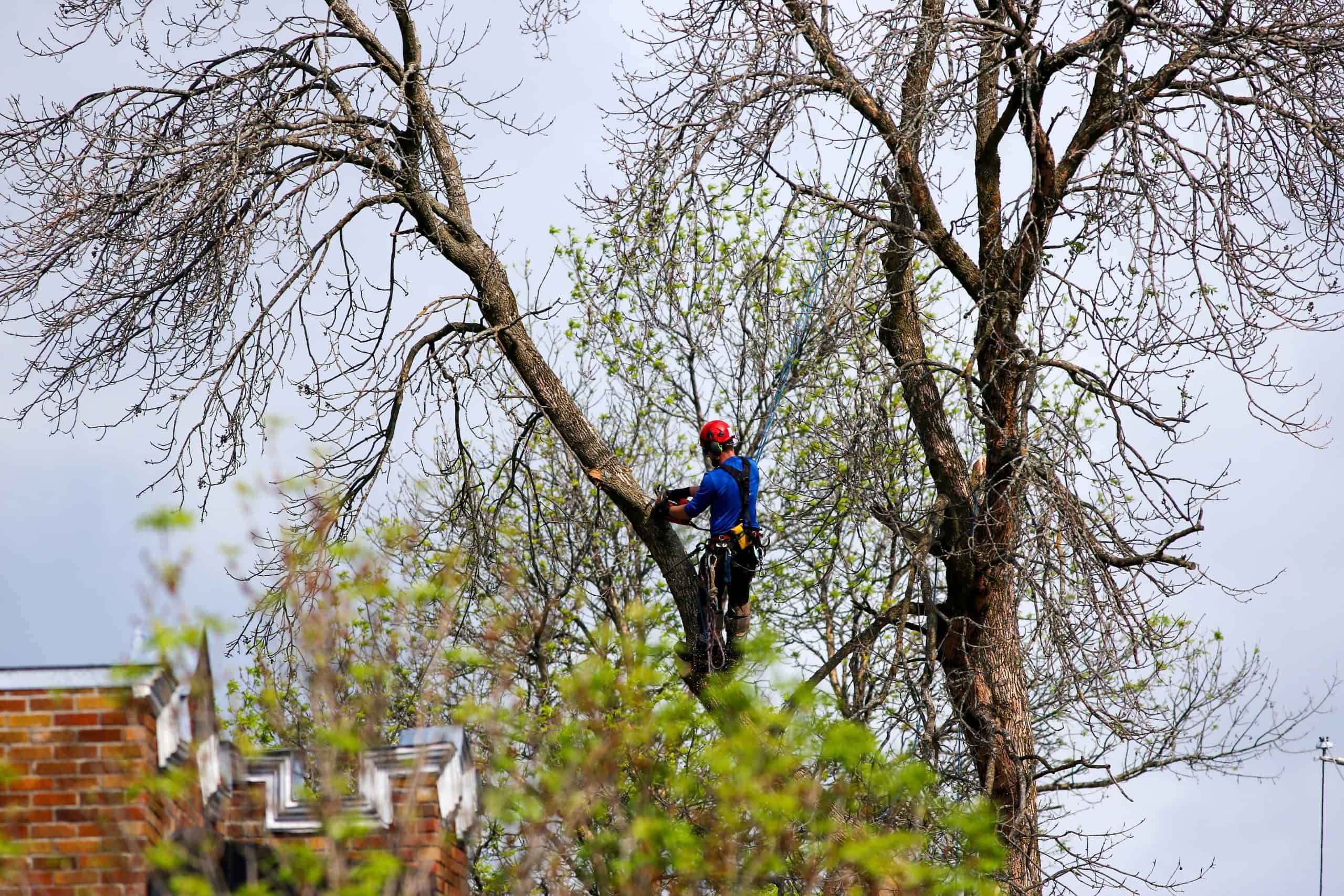
When the dead weight comes out of an aging oak or the overgrown canopy gets lifted off your roofline, you stop waiting for the next storm to make the decision for you. Prairie Village gets hit hard every spring — high winds, hail, and the occasional tornado warning. A tree that’s been properly trimmed carries significantly less storm load than one that hasn’t been touched in five years.
There’s also the aesthetic side, and in Prairie Village, that matters. This is a community that has maintained a curated, walkable character since J.C. Nichols platted it in 1941. Overgrown trees don’t just create risk — they stand out in a neighborhood where property standards are high. Clean, shaped canopy raises curb appeal and keeps your home in step with the care your neighbors are taking with theirs.
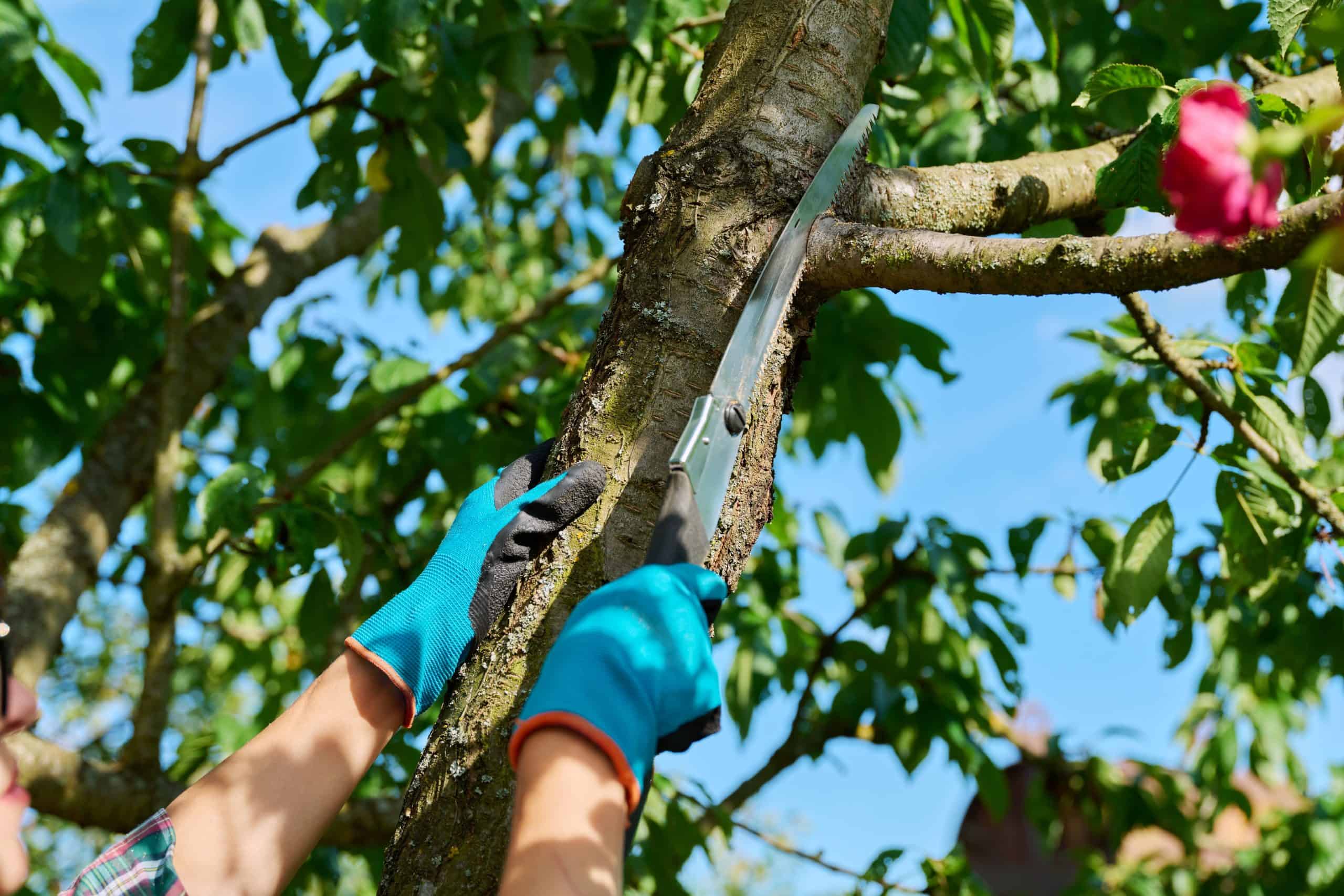
And then there’s the long-term health of the tree itself. Removing deadwood, improving airflow through the canopy, and making clean cuts at the right time of year extends the life of trees that took decades to grow. For a community where the oldest trees are irreplaceable, that matters more than most people realize until it’s too late.
We’re based in Kansas City, KS & MO, KS — right across State Line Road from Prairie Village. This isn’t a regional franchise dispatching crews from across the metro. We’re a family-owned operation with over a decade of experience managing trees throughout the Kansas City, KS & MO area, including the dense, mature neighborhoods of Johnson County where Prairie Village sits.
The numbers that matter: 1,200-plus trees safely managed, a 100% safety record, and a 4.9-star rating across more than 40 verified reviews. Reviewers specifically call out the cleanup, fair pricing, and the fact that our crew treated neighboring properties with the same care as the job site itself — which is exactly what you need in a community as close-knit as Prairie Village.
We’re fully licensed and insured, offer free same-day quotes, and were recognized by Quality Business Awards in 2024 with a quality score above 95% — placing us in the top 1% of tree service businesses nationally. When you call, you get a straight answer and an honest assessment. No pressure, no runaround.
It starts with a free on-site quote — not a phone estimate, not a ballpark based on a photo. Someone comes out, walks the property, looks at the trees in question, and gives you a straight assessment of what needs to be done and why. Most quotes are given the same day you call. There’s no obligation, and there’s no sales pressure.
Once you’re ready to move forward, our crew shows up with everything needed to do the job correctly. For Prairie Village properties — where trees are large, lots are dense, and homes sit close together — that means careful, controlled work from the ground up. Cuts are made with the structure of the tree in mind, not just what’s convenient. If branches are hanging over your roofline, your fence line, or into a neighbor’s yard along Roe Avenue or Mission Road, those are addressed with the kind of precision that a tight, established neighborhood demands.
Prairie Village also has a formal Tree Board and a tree protection ordinance that governs certain large-diameter trees, particularly during construction or significant renovation. We understand the difference between routine trimming on private property and work that might touch protected specimens. If your situation raises any questions about local regulations or HOA requirements, that gets flagged during the assessment — before anything is cut.
When the work is done, our crew cleans up completely. Every branch, every chip, every piece of debris. Your lawn, your driveway, and your neighbor’s side of the fence are left neat. If you want to keep the wood or mulch, just say so. Otherwise, it all goes with us.
Ready to get started?
Tree trimming covers a range of work depending on what your trees actually need. For most Prairie Village properties, that means some combination of dead branch removal, canopy raising, and tree shaping — and sometimes all three on the same tree.
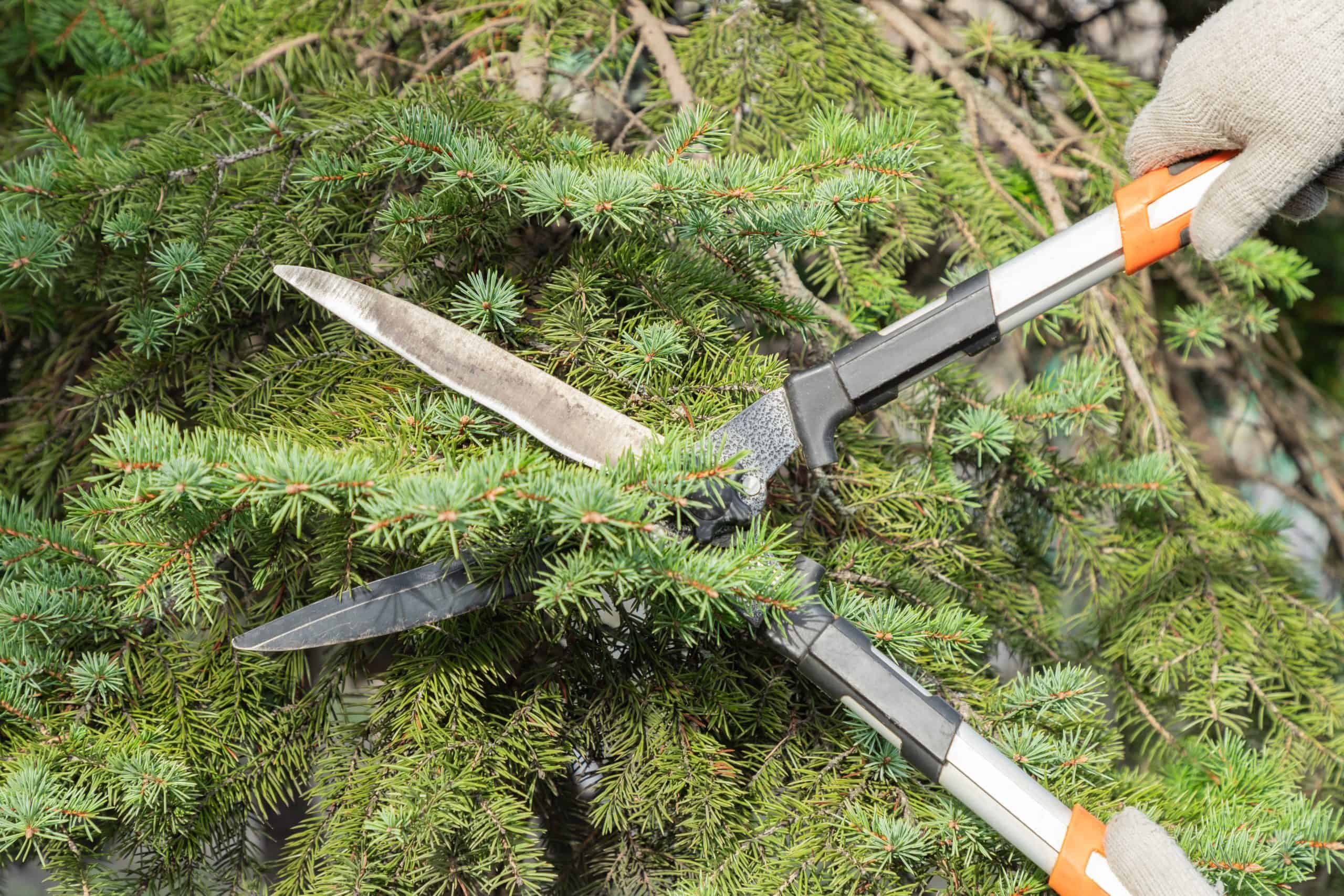
Dead branch removal is exactly what it sounds like: taking out the branches that are no longer alive and are adding dead weight to the canopy. In an 80-year-old hardwood, deadwood accumulates. It doesn’t always look dangerous from the ground, but it becomes a serious liability the moment a storm rolls through Johnson County. Canopy raising lifts the lower canopy off structures, driveways, and sightlines — it’s one of the most common requests in Prairie Village because the mature trees here have grown well beyond the clearances that were planned for when the neighborhood was built in the late 1940s. Tree shaping addresses the overall form and balance of the canopy, removing crossing limbs, improving airflow, and keeping the tree structurally sound for years to come.
We also handle overgrown tree trimming for trees that haven’t been maintained in several years and have grown into structures, power line clearance zones, or neighboring properties. If your trees are near utility lines along Roe Avenue or Mission Road, that situation gets assessed carefully — line-clearance work carries specific legal requirements, and we’ll tell you exactly what applies to your property. Every job includes full cleanup with no debris left behind, and same-day emergency response is available for storm damage situations.
For routine trimming on private residential property in Prairie Village, you generally do not need a permit. The city’s tree protection ordinance — which took effect June 1, 2021 — is primarily focused on tree removal, particularly during construction or significant renovation projects. It sets thresholds based on a tree’s diameter at breast height, and trees above certain size thresholds in specific locations on your lot cannot be removed without city approval.
Trimming is a different matter. Maintaining your trees through regular pruning, canopy raising, and dead branch removal is not the same as removal, and routine trimming on your own property does not typically trigger the permit process. That said, if your property is governed by an HOA — which is common throughout Johnson County — your covenant may require architectural committee approval before any significant tree work is done. It’s worth checking before you schedule anything. When we come out for a quote, we can help you understand what your specific situation looks like and flag anything that might need additional documentation before work begins.
Most mature trees benefit from professional trimming every three to five years. Younger trees in an active growth phase often need attention every two to three years to establish good structure early. But the honest answer is that the right interval depends on the specific tree, its species, its location on your property, and what’s happening in the canopy.
For Prairie Village specifically, this question carries more weight than it does in a newer suburb. The trees here aren’t young — many were planted when the neighborhood was developed in the late 1940s, which makes them 70 to 80 years old. At that age, deadwood accumulates faster, structural issues become more pronounced, and the consequences of skipping a maintenance cycle are more serious. An aging oak or elm that overhangs your roof on a dense Prairie Village lot is not the same risk profile as a 15-year-old tree in a new subdivision. A professional assessment every few years — even if the tree looks fine from the ground — is the most reliable way to stay ahead of problems before they become emergencies.
Canopy raising is the process of removing the lower branches of a tree to lift the bottom of the canopy higher off the ground — or off whatever is underneath it. That might be a roofline, a driveway, a fence, a sidewalk, or a neighboring structure. The goal is to create clearance while keeping the upper canopy intact and healthy.
It’s one of the most common requests we handle in Prairie Village, and for good reason. When J.C. Nichols developed this neighborhood in the late 1940s, the trees being planted were small. Decades later, those same trees have grown well past the clearances that were originally planned for. Lower branches that were once eight feet off the ground are now scraping gutters, blocking sightlines along State Line Road, or dropping onto driveways every time the wind picks up. Canopy raising addresses all of that without removing the tree — which matters in a community where the mature canopy is part of what makes Prairie Village worth living in. It’s also one of the more effective ways to reduce storm damage risk, since lower branches on large trees are often the first to fail under high wind loads.
The terms get used interchangeably, but they describe slightly different goals. Trimming is primarily about controlling size, shape, and clearance — cutting back overgrowth, lifting the canopy off structures, and keeping the tree within the space it’s supposed to occupy. Pruning is more targeted toward the health and structure of the tree itself — removing dead, diseased, or crossing branches, improving airflow through the canopy, and making cuts that support long-term structural integrity.
In practice, a good tree service does both during the same visit. When we work on a Prairie Village tree, our crew isn’t just cutting to a shape and calling it done. We’re looking at what’s dead, what’s crossing, what’s creating friction or decay, and what the tree actually needs to stay healthy. For the large, aging hardwoods common throughout Prairie Village — species like oak, elm, and maple that have been growing for decades — this kind of attentive work makes a real difference in how long the tree lasts and how it performs under the severe weather conditions the Kansas City, KS & MO metro sees every spring.
Tree trimming costs vary based on the size of the tree, how many trees you’re having done, how accessible they are, and what the canopy actually needs. Nationally, most homeowners pay somewhere between $300 and $900 per tree, with smaller trees running $150 to $250 and larger specimens — the kind that are common throughout Prairie Village’s mature neighborhoods — ranging from $500 to $1,500 or more depending on complexity.
The best way to get an accurate number for your specific property is a free on-site quote, which we provide same-day in most cases. Phone estimates aren’t reliable for mature trees because so much depends on what our crew actually sees when they walk the property — the size of the canopy, proximity to structures, how much deadwood is present, and what kind of access we have. There’s no obligation attached to the quote, and the pricing you get will reflect what your trees actually need, not a one-size-fits-all number pulled from a pricing sheet.
For anything above 15 feet, or any tree that’s near a structure, a fence, a utility line, or a neighboring property — which describes most trees in Prairie Village — DIY trimming carries real risk. Falls from trees are a leading cause of serious injury in home maintenance, and that risk increases significantly when you’re working on large, mature specimens with heavy branch structure. Beyond the personal safety concern, an improper cut on a large hardwood can create structural problems that take years to show up but eventually lead to major branch failure.
Prairie Village’s density makes this more consequential than it would be in a rural setting. When your tree overhangs your neighbor’s fence or their driveway, a branch that comes down unexpectedly isn’t just your problem. Hiring a fully insured crew means that if anything goes wrong — which is rare, but possible even with experienced professionals — you’re not personally liable for damage to neighboring property. We carry full general liability and workers’ compensation insurance, which protects both you and our crew. For trees in an established Johnson County neighborhood like Prairie Village, that coverage isn’t a formality. It’s the thing that keeps a trimming job from turning into a much larger headache.
Other Services we provide in Prairie Village