
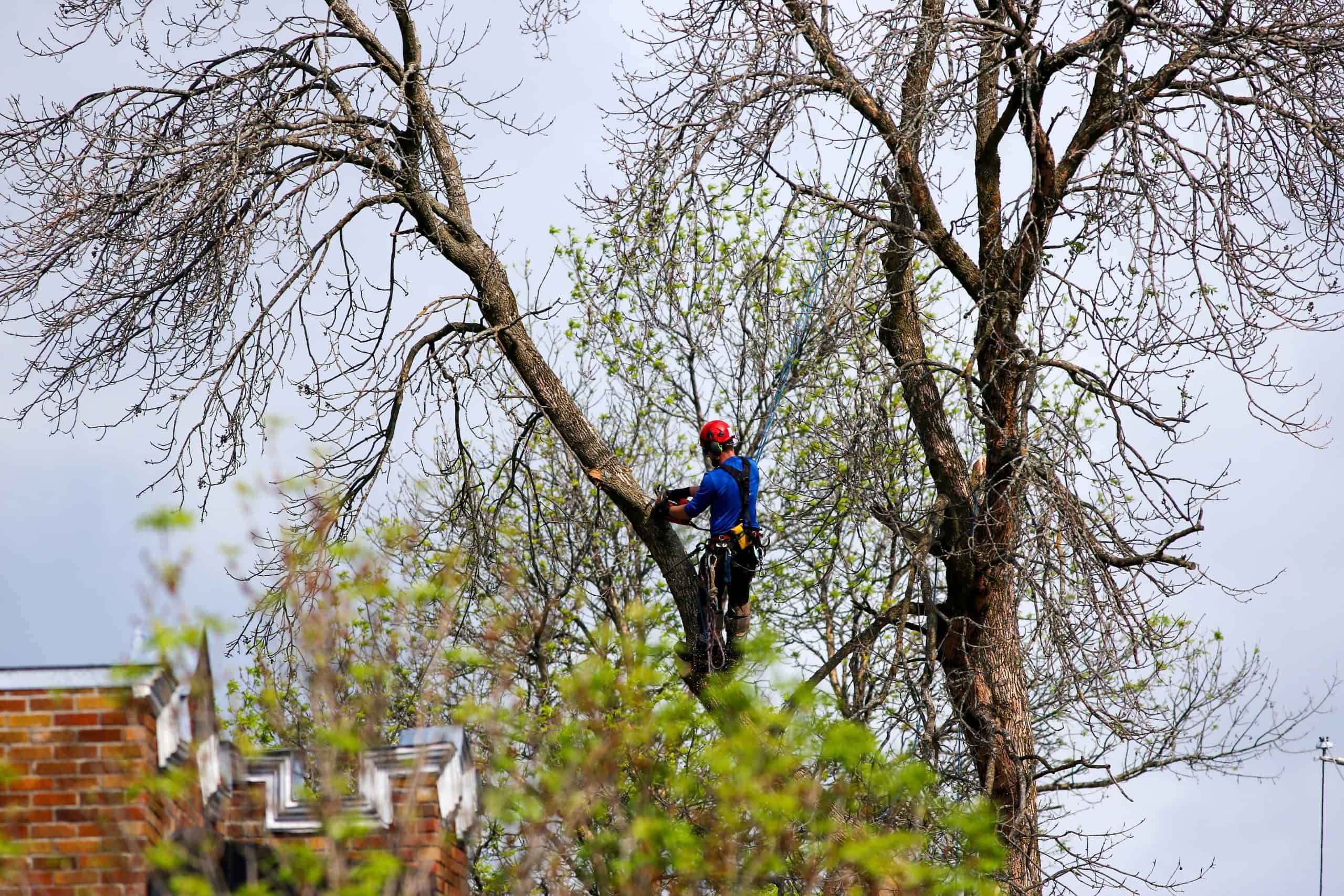
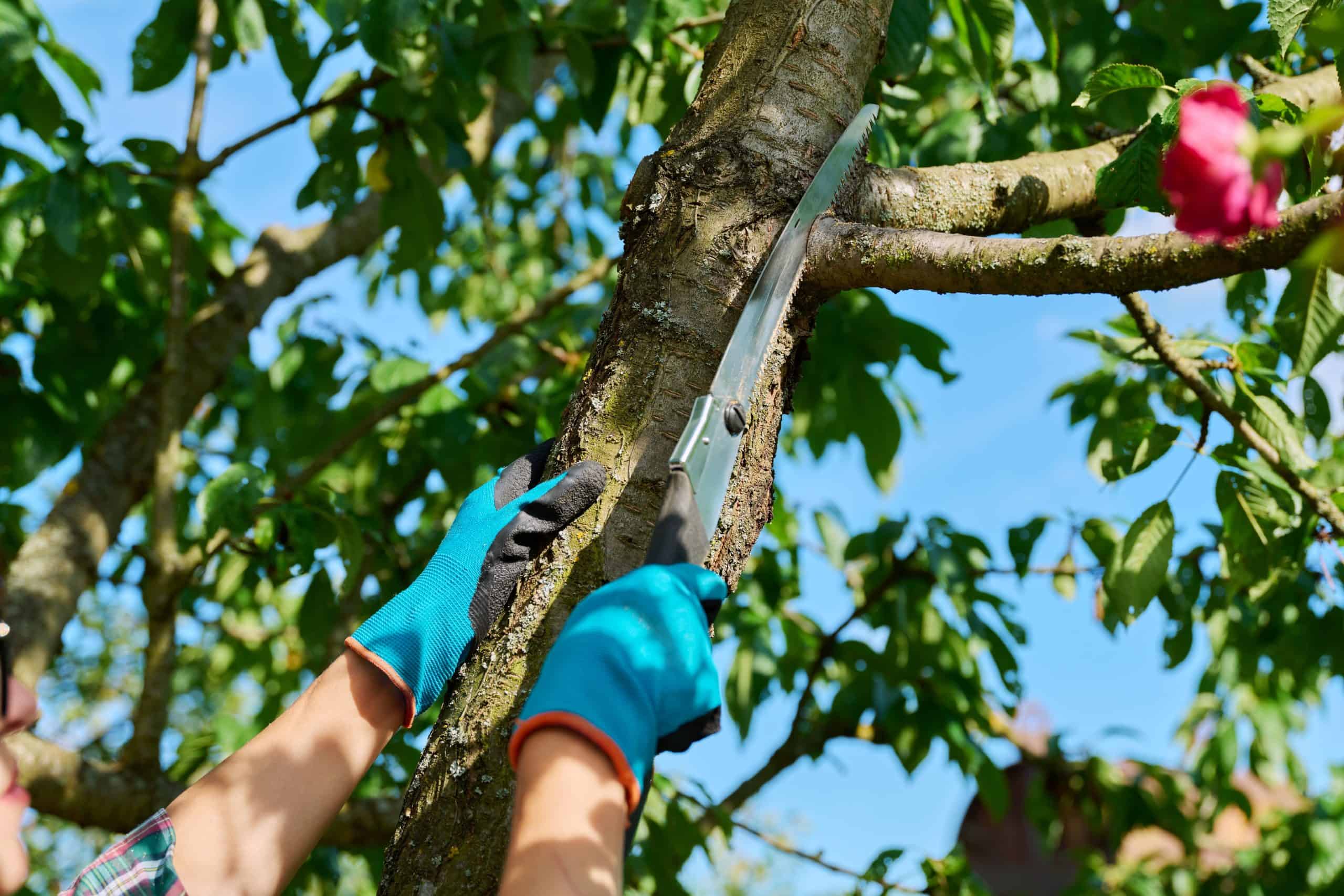
A properly trimmed tree doesn’t just look better — it behaves differently in a storm. Olathe sees real weather. In the past year alone, the area logged over 640 storm reports, wind gusts up to 84 mph, and hail on more than 120 separate occasions. The 20- to 40-year-old maples, oaks, and honeylocusts that line the streets of neighborhoods like Nottingham Forest and Falcon Valley have reached the size where a dense, unpruned canopy catches wind instead of letting it pass.
Canopy thinning changes that equation directly. It reduces the load on branch unions, lowers the risk of failure, and keeps the tree structurally sound through whatever the season throws at it. After a proper trim, your trees are more resilient — not just safer, but better equipped to handle Olathe’s unpredictable spring and summer weather.
Beyond storm resilience, there’s the matter of what Olathe’s municipal code actually requires. City ordinance mandates that limbs overhanging streets clear 13.5 feet and limbs over sidewalks clear at least 10 feet. If you’re on a corner lot or have a large tree near the road, that’s not a suggestion — it’s an enforceable obligation. We handle canopy raising and code compliance cleanly, in one visit, without you having to figure out the specifics yourself.
And for homeowners in Cedar Creek, Stonebridge, or any of Olathe’s other HOA-governed communities, the stakes go a step further. Your trees are part of what the HOA sees when they assess your property. A clean, well-shaped canopy keeps you in good standing. A neglected one can trigger a notice.
We’re a family-owned, fully insured tree care company based in the Kansas City Metropolitan Area, MO metro, and Olathe is one of our core service areas. This isn’t a company stretching its reach to pick up a job — we’ve been working in Johnson County for over a decade, which means we know the tree stock here.
We understand the mature oaks in Olathe’s older subdivisions, the honeylocusts along residential streets, and the ash trees that are increasingly showing the effects of emerald ash borer damage throughout the city. We’ve safely managed more than 1,200 trees with a documented 100% safety record. That matters in a market like Olathe, where homes in communities like Cedar Creek trade near $930K and a careless cut near a roofline or fence isn’t a minor inconvenience — it’s a real financial problem.
Every job we do includes full cleanup. No piles left behind, no debris on the driveway, and no questions about what happens next.
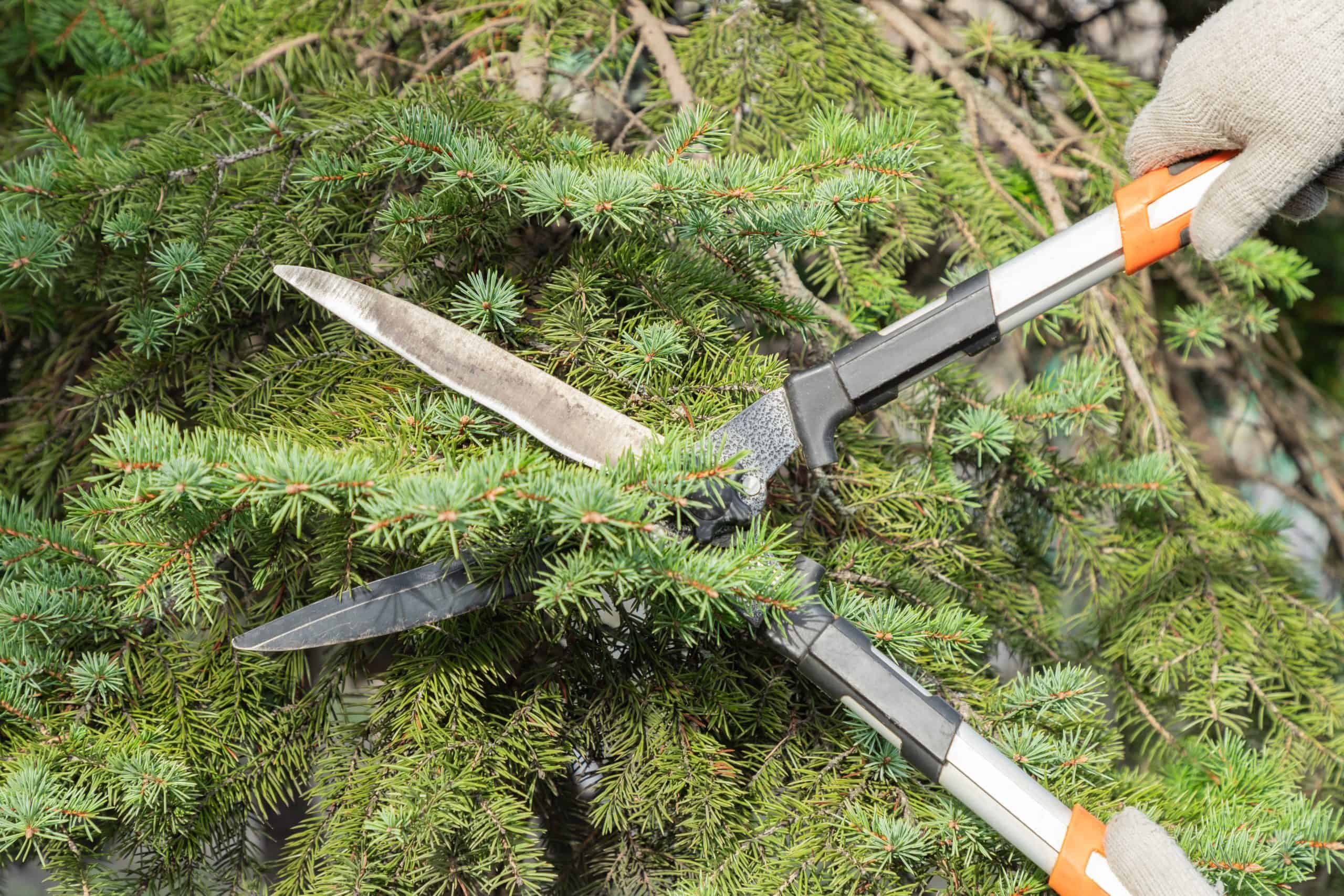
It starts with a free on-site quote, and most are completed the same day you call. One of our crew members walks the property with you, looks at the trees in question, and gives you a straight assessment of what needs to happen and what it costs. No phone estimates, no vague ranges — just an honest look at the actual job.
Once you’re ready to move forward, we arrive with everything needed to complete the work. For overgrown tree trimming in established Olathe neighborhoods, that typically means addressing deadwood, thinning the canopy to improve airflow and wind resistance, and raising the canopy where needed — whether that’s for clearance over a sidewalk or driveway, or to meet Olathe’s municipal code requirements for street-facing limbs. If your trees are near a fence, structure, or utility line, we account for that before the first cut is made.
Timing matters here too. Most species in the Kansas City Metropolitan Area, MO area do best when trimmed during dormancy — late winter through early spring — before new growth begins and before oak wilt transmission risk peaks in late spring and early summer. If you’re booking outside that window, we’ll tell you what that means for your specific trees and whether it makes sense to proceed or wait.
After the work is done, your property gets a full cleanup. Every piece of debris is removed or handled according to your preference — you can keep the wood and mulch if you want it, or it all goes with our crew.
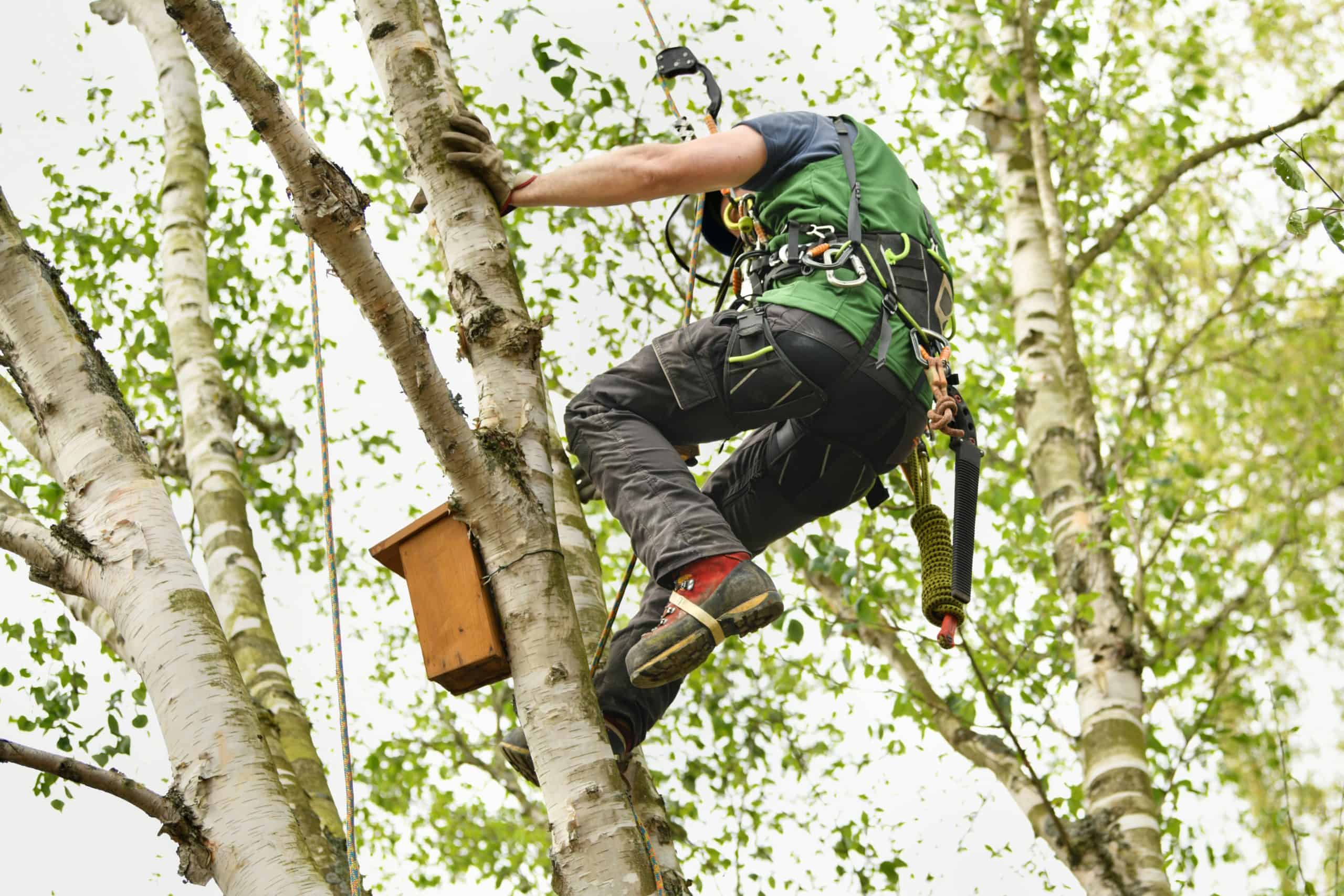
Ready to get started?
Tree trimming covers more ground than most homeowners expect when they first call. For Olathe properties, the most common work involves canopy thinning on mature maples and oaks, deadwood removal from trees that have been stressed by summer heat or ice accumulation, canopy raising to meet city clearance requirements or improve sightlines and light in wooded settings like Cedar Creek, and tree shaping for properties where HOA standards or curb appeal are a priority.
Overgrown tree trimming — the kind where a canopy has gone several years without attention — typically involves a more thorough pass. We remove crossing or rubbing branches, clear out interior deadwood, and restore a clean structure that the tree can maintain going forward. It’s not just a cosmetic cut. Done correctly, it sets the tree up for the next three to five years without intervention.
Every service includes a full cleanup of all debris. We do not leave piles on the lawn or branches stacked at the curb. If you want the mulch or wood, that option is available. If not, it all goes with our crew. There are no named service tiers or package upgrades — the job is quoted based on what the trees actually need, and the quote is always free.
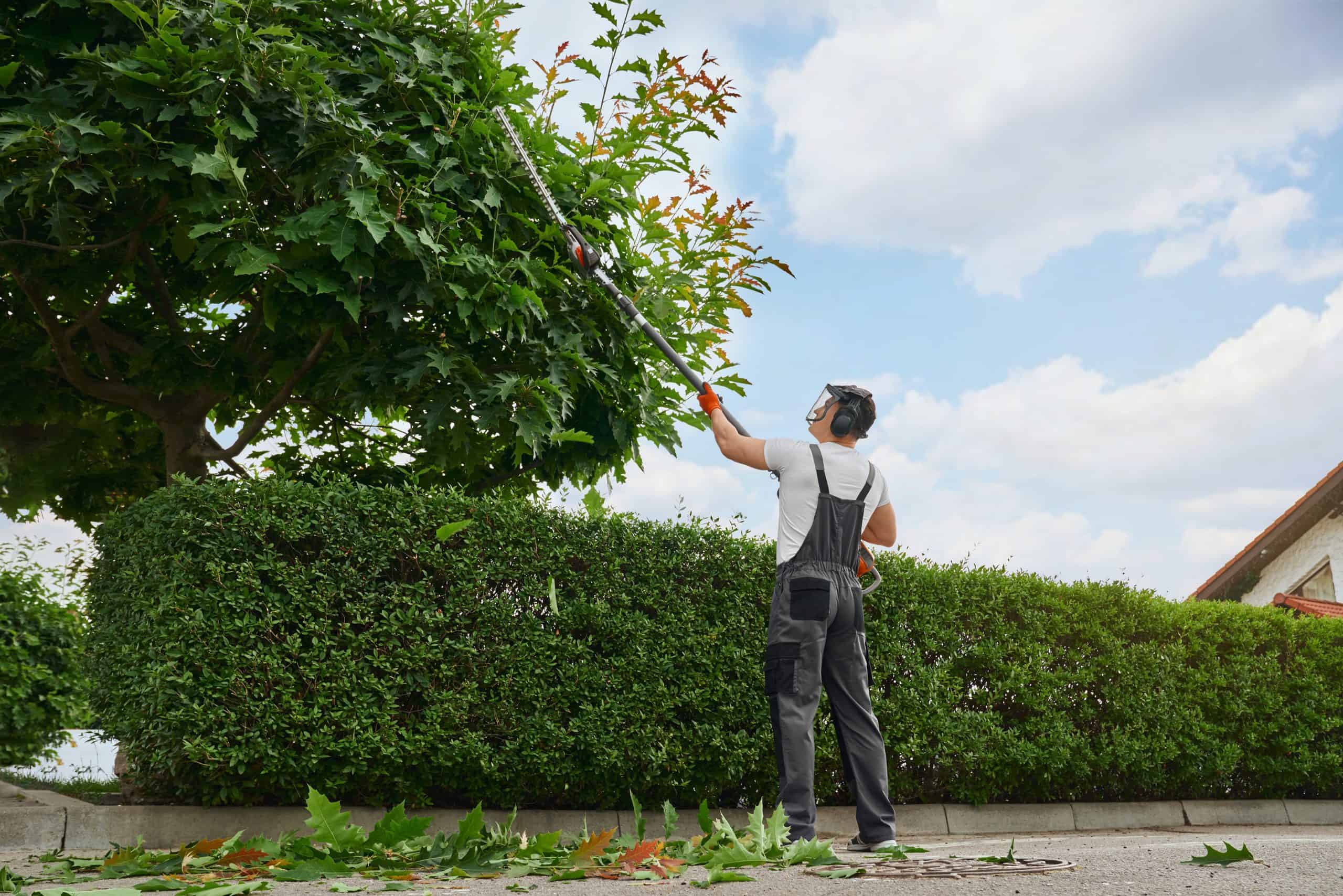
For most residential properties in Olathe, you do not need a permit to trim or remove a tree on your own lot. The city’s Unified Development Ordinance does require a tree preservation conservation plan for new development projects, and trees within designated conservation easements may have additional restrictions — but for the typical homeowner dealing with an overgrown oak or a storm-damaged maple, no permit is required before work starts.
That said, Olathe’s Community Enhancement division actively enforces Chapter 12.16 of the municipal code, which requires property owners to maintain trees that overhang streets and sidewalks. If a limb is hanging over the road and doesn’t clear 13.5 feet, or over a sidewalk without clearing 10 feet, the city can issue a notice and — if you don’t act — remove the tree and bill your property directly. Getting ahead of that with a professional trimming visit is almost always less expensive than dealing with a city-initiated removal.
Late winter through early spring is the preferred window for most species in the Olathe area — roughly February through April, while trees are still dormant or just beginning to break dormancy. Trimming during this period reduces stress on the tree, limits the risk of disease transmission, and gives the tree a full growing season to recover and fill out after cuts are made.
There’s one important exception that’s specific to the Kansas City Metropolitan Area, MO region: oaks should not be trimmed in late spring or early summer, typically from April through July. This is when oak wilt — a serious fungal disease — spreads most aggressively through fresh wounds. Olathe has a significant population of bur oaks, pin oaks, and red oaks, and trimming them at the wrong time of year can introduce a problem that’s difficult and expensive to manage. If you have oaks and you’re calling outside the dormant window, we’ll tell you whether it’s safe to proceed or whether waiting a few weeks makes more sense for the tree’s long-term health.
Pricing varies based on the size of the tree, how many trees are being trimmed, the complexity of the job, and how accessible the work area is. We don’t publish a fixed price list because a small ornamental tree near an open lawn is a different job than a 50-foot oak overhanging a fence line in a Cedar Creek backyard — and quoting them the same way wouldn’t be honest.
What we do offer is a free same-day quote after a crew member walks your property and looks at the actual trees. National data puts the typical range for professional tree trimming between $300 and $900 per tree, with larger trees running higher. In Olathe’s established neighborhoods, where mature canopies are common and access can sometimes be tighter due to landscaped yards and narrower driveways, the specifics of the job matter more than a ballpark number. The free on-site quote removes the guesswork and gives you a real number before any commitment is made.
Trimming and pruning are related but they’re not the same thing, and the distinction matters depending on what you’re trying to accomplish. Trimming is primarily about managing size, shape, and clearance — cutting back overgrowth, raising the canopy above a sidewalk or roofline, shaping a tree for curb appeal, or reducing the canopy’s wind load before storm season. It’s the work most homeowners in Olathe are thinking about when they call.
Pruning is more focused on the tree’s internal health and structure. It targets dead, diseased, or crossing branches that are creating problems the tree can’t resolve on its own. A good pruning pass removes the wood that’s already failing before it falls, improves airflow through the canopy to reduce moisture-related disease pressure, and corrects structural issues — like competing leaders or weak branch unions — that will cause bigger problems as the tree grows. In practice, most jobs involve both. A crew doing a thorough canopy thinning on a mature honeylocust in Olathe is trimming for clearance and shape while also pruning out the deadwood and problem branches at the same time.
There are a few things to look for that go beyond “it looks overgrown.” Dead or hanging branches — especially ones that move differently from the rest of the canopy in a breeze — are the most immediate concern. In Olathe, where spring storms can bring 70-plus mph wind gusts with very little warning, a dead branch over a fence, driveway, or roofline isn’t something to put off until next season.
Beyond visible deadwood, watch for branches that are rubbing against your house, growing toward utility lines, or crossing over a sidewalk or street at a height that’s getting close to the city’s clearance requirements. If you’re in an HOA community like Cedar Creek or Stonebridge and you’ve noticed your canopy is starting to look dense or uneven compared to neighboring properties, that’s worth a professional look before the HOA notices it first. Most mature trees in Olathe benefit from a trimming visit every three to five years — if you can’t remember the last time yours was done, that’s a reasonable answer to your question on its own.
Yes — full cleanup is included on every job, without exception. After the trimming is complete, all branches, leaves, and wood are cleared from your property. The driveway, lawn, and any adjacent areas affected by the work are left clean before we leave. This isn’t an add-on or an upgrade — it’s part of how every job is done.
If you want to keep the wood or mulch from the job, that option is available. Some Olathe homeowners use the chips for landscaping beds or keep the larger logs — just let us know before we start and we’ll set it aside for you. If you don’t want it, it all goes. For homeowners in HOA-governed communities across Olathe, this matters beyond just convenience. A yard left with brush piles or debris scattered across the lawn after a crew visit is the kind of thing that draws attention from neighbors and HOA inspectors alike. The job isn’t finished until your property looks better than it did before we arrived.
Other Services we provide in Olathe