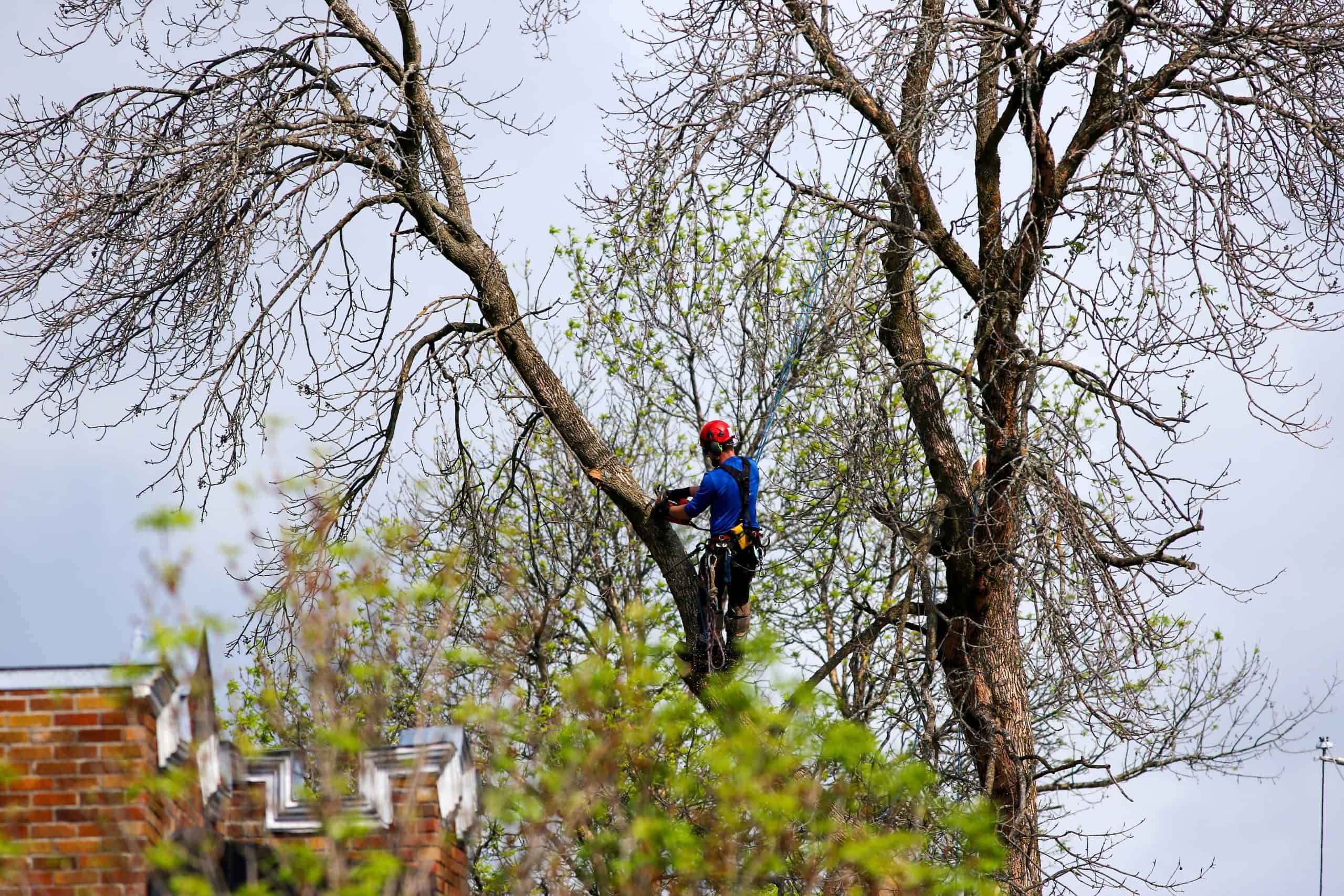
Blue Springs has a specific kind of tree problem that doesn’t get talked about enough. The city sits squarely in Missouri’s severe weather corridor, and the established neighborhoods along Route 7 and Adams Dairy Parkway are full of mature silver maples, cottonwoods, and green ash trees that have been growing — mostly unchecked — for 30, 40, sometimes 50 years. These aren’t small trees. And when a fast-moving storm comes through, which in Blue Springs happens with real regularity, those overgrown canopies become the first thing that fails.
When your trees are properly trimmed, a few things happen at once. The obvious one is safety — dead limbs and overextended branches aren’t hanging over your roof, your car, or your neighbor’s fence anymore. But there’s also the code side of things. Blue Springs municipal code requires that tree limbs overhanging sidewalks or public streets be maintained at a minimum height of eight feet. That’s an enforceable requirement, not a suggestion. Homeowners who’ve received a code notice about sidewalk overhang know exactly how quickly a “minor” trimming issue becomes something you have to deal with immediately.
Beyond safety and compliance, there’s the long-term health of the tree itself. Proper canopy trimming and selective pruning improve airflow, reduce disease risk, and help the tree hold up better through Missouri’s ice storms and high-wind events. A well-maintained tree is more resilient. It’s also a better-looking tree, which matters in a neighborhood where home values have nearly tripled since 2000 and people pay attention to what their property looks like from the street.
We’re based in Kansas City, KS & MO, Missouri — about 19 miles west of Blue Springs via I-70. That’s the same stretch of highway most Blue Springs residents drive every day, and it’s the same corridor we travel to reach jobs in Jackson County. We’re not a national franchise routing a crew from a distant hub. We’re a locally rooted, family-owned operation with over 10 years of experience working in the Kansas City, KS & MO metro, and we’ve safely managed more than 1,200 trees across the area with a 100% safety record.
That kind of track record matters when you’re dealing with the large, mature trees common in Blue Springs’s older subdivisions — the kind of canopy that’s been growing since before the Blue Springs R-IV School District had its current reputation. We carry full insurance coverage, offer free same-day quotes, and handle complete cleanup on every job. No debris left on your lawn, driveway, or your neighbor’s yard. You get a fair assessment, honest pricing, and a crew that treats your property like it matters — because in this market, with home values where they are, it does.
It starts with a free on-site quote. Someone from our crew comes out, walks the property with you, and takes a real look at what’s going on — not a phone estimate based on a description, but an actual assessment of the trees, their condition, what needs to come off, and what’s worth preserving. Most quotes in Blue Springs are turned around the same day.
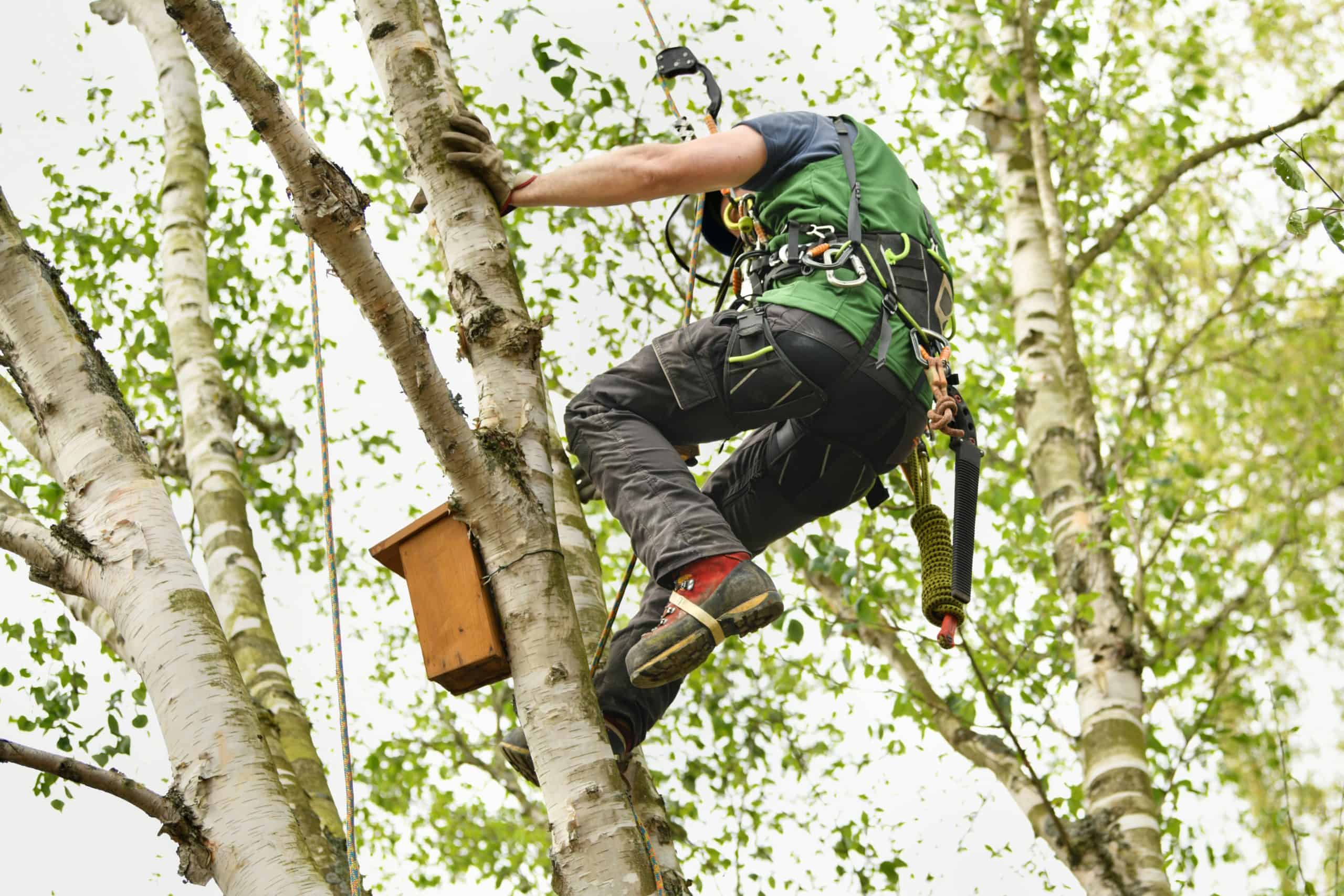
Once you’ve agreed on the scope, we show up with everything needed to do the job safely. For the kinds of mature trees common in Blue Springs — large silver maples, cottonwoods, and oaks that have been growing for decades in established neighborhoods — that means the right equipment for the height and the access situation, not just a ladder and a chainsaw. If your trees overhang a public sidewalk or street, we trim to the city’s required eight-foot clearance standard so you’re not left with a code issue after the job is done. If any of your trees sit near a utility easement, we’ll flag what requires written permission before touching anything — that’s a real Blue Springs ordinance, and it’s not something to get wrong.
When the work is finished, we clean up completely. Branches, chips, debris — all of it goes. If you want to keep the wood for firewood or the chips for mulch, just say so. Otherwise, you get your yard back exactly as it was, just with better trees.
Ready to get started?
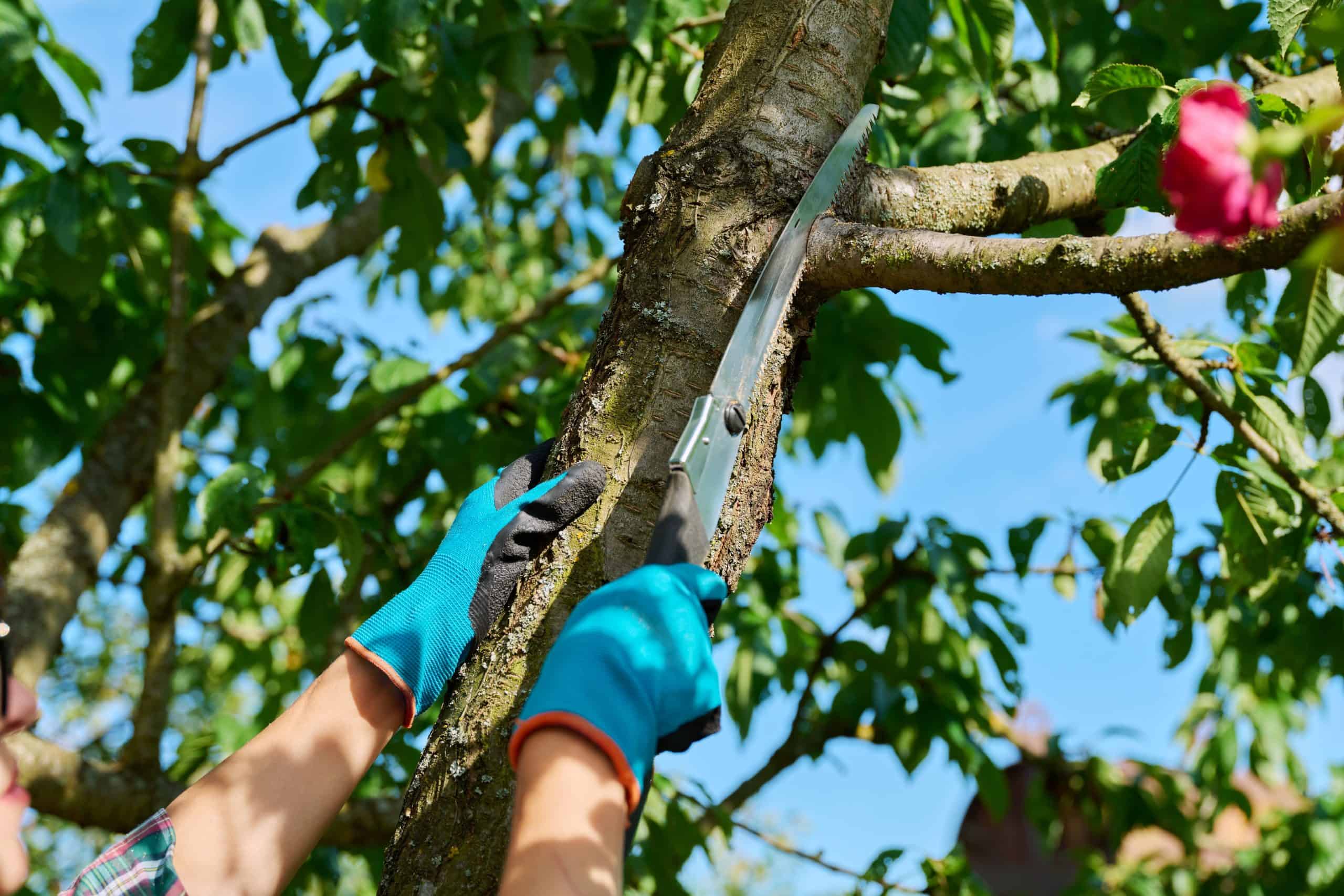
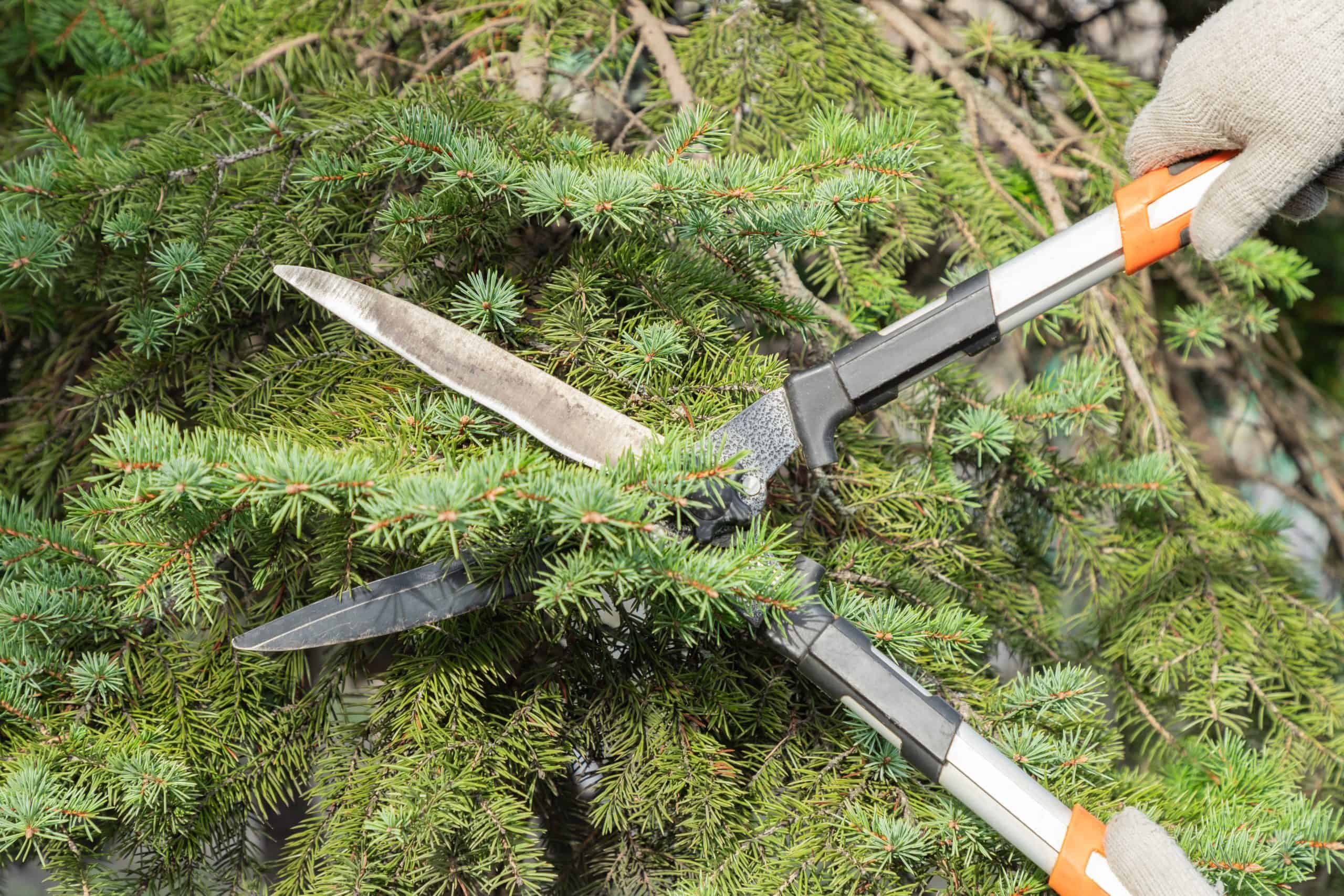
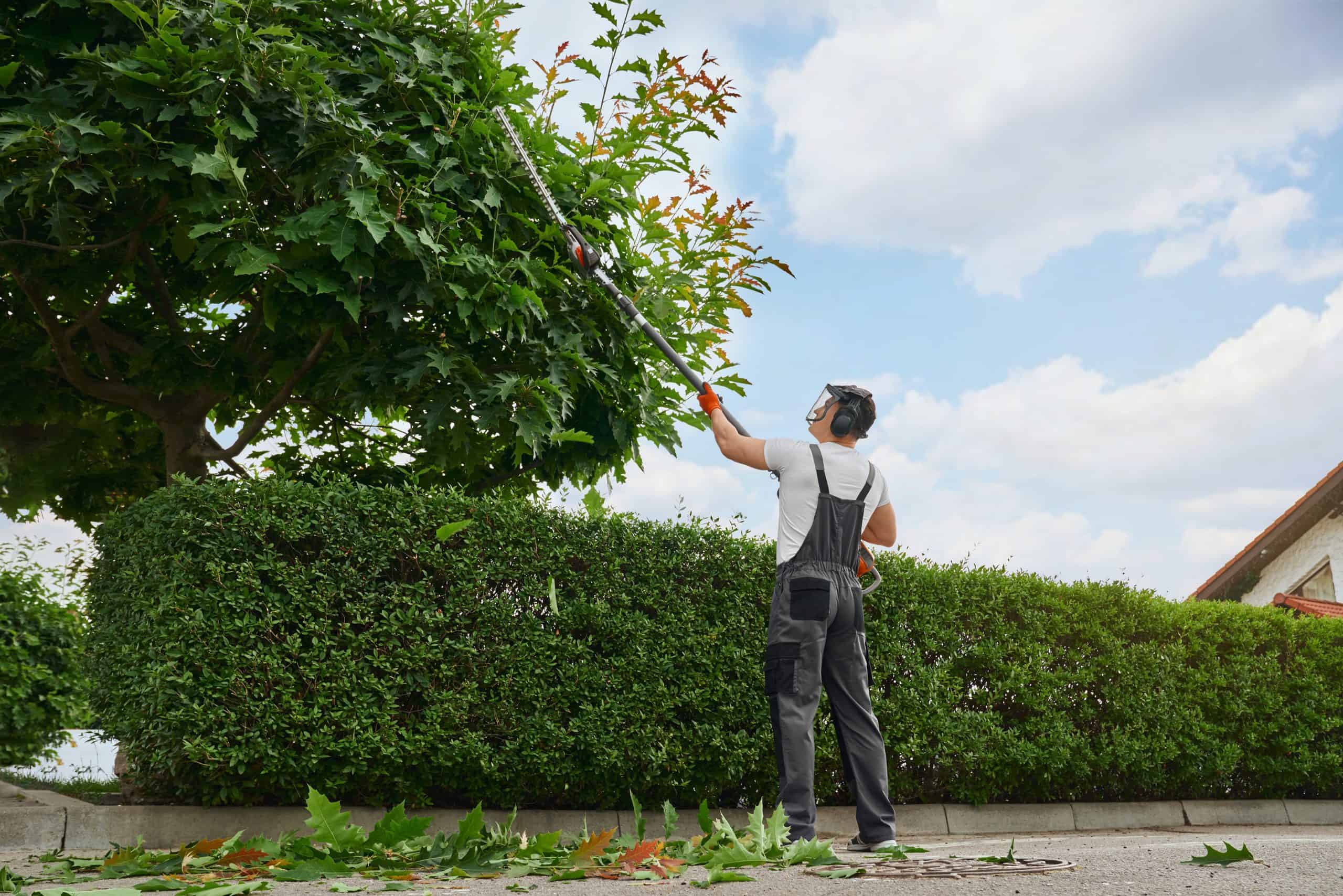
Tree trimming covers a range of work depending on what your trees actually need. Canopy trimming and canopy raising — lifting the lower canopy to clear structures, sightlines, or the city’s sidewalk clearance requirement — is one of the most common requests in Blue Springs’s established neighborhoods, where mature trees have spread well beyond their original footprint. Tree shaping keeps the overall structure clean and proportional. Dead branch removal takes out the limbs that are most likely to fail in a storm. And where a tree has crossing or competing branches that are creating weak unions, selective pruning addresses that before it becomes a bigger problem.
Blue Springs’s own municipal code specifically identifies silver maple, green ash, cottonwood, boxelder, and Siberian elm as problematic species — fast-growing, brittle-wooded trees that need more frequent attention than most homeowners realize. If you have any of these on your property, particularly in the older subdivisions off Route 7 or in the areas near Fleming Park, regular trimming isn’t optional maintenance. It’s what keeps those trees from becoming a liability.
Every job includes a full cleanup — no debris left on the property. We also offer tree health assessments alongside trimming work, so if something looks off during the job, you’ll hear about it honestly. We don’t upsell work that doesn’t need to be done, but we will tell you what we see.
Yes, and it’s worth knowing before you let it slide. Blue Springs municipal code requires that tree limbs overhanging public sidewalks or streets be maintained at a minimum clearance height of eight feet above those surfaces. That’s an enforceable requirement, not a guideline — homeowners can receive code violation notices if limbs are hanging too low over a public walkway or roadway.
The practical implication is that if you have a mature tree near the street or a sidewalk — which is common throughout Blue Springs’s established neighborhoods — you may already be out of compliance without realizing it. When we trim your trees, we handle that standard as part of the job, so you’re not left in a situation where the tree looks better but you’re still technically in violation. It’s a simple thing to handle correctly when the crew is already there.
Blue Springs also has a separate ordinance covering trees in public utility easements. It’s unlawful to remove, cut, or alter trees located in those easements without written permission — even if the tree is on or near your property. Fruit trees, ornamental trees, and evergreens within or overhanging an easement may be pruned for clearance, but removal requires authorization. If you’re not sure whether your tree falls in an easement, we can help you identify that before any work begins.
Tree trimming costs vary based on a few key factors: the size and height of the tree, how many trees you’re having trimmed, how accessible they are, and whether they’re near structures, fences, or utility lines. Nationally, most homeowners pay somewhere between $300 and $900 per tree, with smaller trees on the lower end and large mature specimens — the kind common in Blue Springs’s older subdivisions — toward the higher end of that range.
The best way to get an accurate number for your specific situation is a free on-site quote. Phone estimates for tree trimming are notoriously inaccurate because the actual scope of work depends on what we see in person — the lean of the tree, how the canopy has grown, what’s underneath it, and how much clearance work is involved. We offer free same-day quotes, so you find out exactly what you’re looking at before anyone picks up a tool. There’s no pressure and no obligation.
For most tree species, late winter to early spring is the preferred window — when the tree is still dormant, before new growth starts pushing. During dormancy, the tree is under less stress, pests and disease are less active, and the crew has a clearer view of the branch structure without leaves in the way. In Blue Springs’s climate, that typically means February through early March is the sweet spot for routine trimming on most species.
That said, timing isn’t always up to you. Blue Springs sits in Missouri’s severe weather corridor, and storm damage doesn’t follow a calendar. If a high-wind event or ice storm takes out a major limb — both of which are documented, recurring events in this area — that’s an emergency situation that needs to be addressed whenever it happens. Dead or hazardous branches should also come down as soon as they’re identified, regardless of season. The risk of waiting on a dead limb hanging over a roofline or a driveway isn’t worth it just to hit the ideal trimming window.
These terms get used interchangeably, but they’re not exactly the same thing. Trimming is primarily about controlling the shape and size of the tree — cutting back overgrowth, clearing structures, raising the canopy, keeping the tree from encroaching on your roof, your neighbor’s yard, or a public sidewalk. It’s largely aesthetic and clearance-focused.
Pruning is more about the tree’s internal health and structure. It involves removing dead, diseased, or crossing branches that are creating weak points in the tree, improving airflow through the canopy, and addressing structural issues before they cause bigger problems. In practice, most professional tree trimming jobs involve both — a crew trimming the canopy for clearance while also removing dead wood and addressing anything that looks structurally compromised. For the silver maples, green ash, and cottonwoods that are common throughout Blue Springs, both matter. These species are fast-growing and prone to developing weak branch unions over time, which is exactly the kind of thing that fails in a storm.
Most mature trees benefit from professional trimming every three to five years. Younger trees, or trees that are actively growing into structures or utility lines, may need attention every two to three years. Fast-growing species — and Blue Springs’s municipal code specifically flags silver maple, green ash, cottonwood, and boxelder as rapid growers — tend to need more frequent trimming than slower-growing hardwoods like oak.
The honest answer is that the right interval depends on the specific tree, where it’s located on your property, and what’s around it. A large cottonwood near the back fence of a wooded lot off Fleming Park is a different situation than a silver maple overhanging a driveway in an established subdivision near Adams Dairy Parkway. A professional assessment gives you a real answer based on your actual trees, not a generic schedule. If it’s been more than five years since your trees were last trimmed — or if you’ve never had them professionally assessed — that’s a reasonable point to start.
It depends on the situation. Routine tree trimming — the kind you schedule to maintain healthy trees — is generally not covered by homeowner’s insurance. That’s considered standard property maintenance, which falls on the homeowner.
Where insurance typically does come into play is storm damage. If a tree or a major limb falls and causes damage to your home, vehicle, or other covered structure, your homeowner’s policy may cover the cost of removing the fallen tree and repairing the damage — subject to your deductible and the specific terms of your policy. Given that Blue Springs has documented severe storm events, including the high-wind storm in May 2024 that caused significant tree damage in a neighborhood just off Route 7, this is a real scenario for homeowners in this area, not a hypothetical. If you’ve experienced storm damage and aren’t sure what your policy covers, it’s worth a call to your insurance provider before scheduling removal. Either way, the tree still needs to come down — and a crew that can respond quickly matters when you’re dealing with a hazardous situation.
Other Services we provide in Blue Springs