
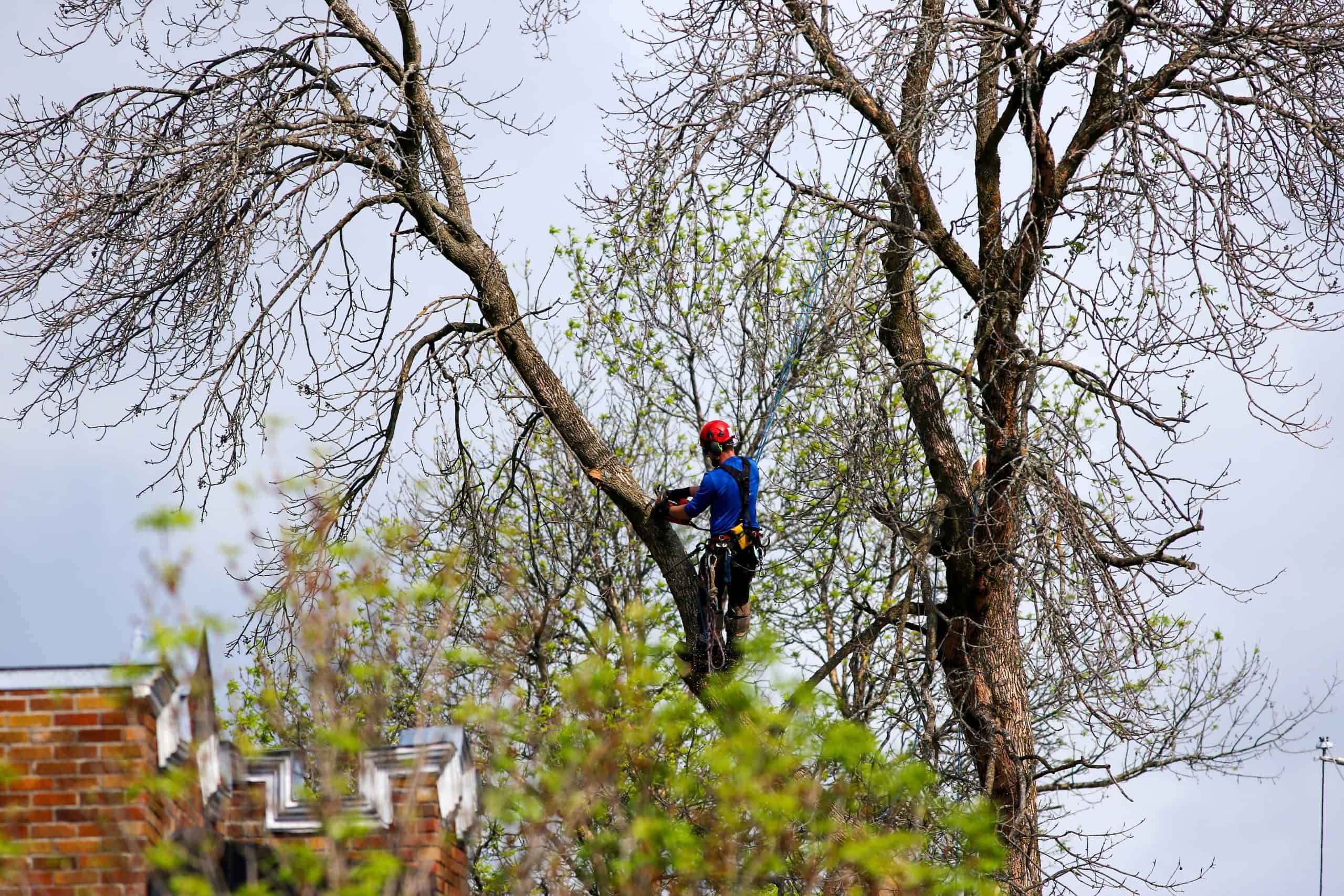
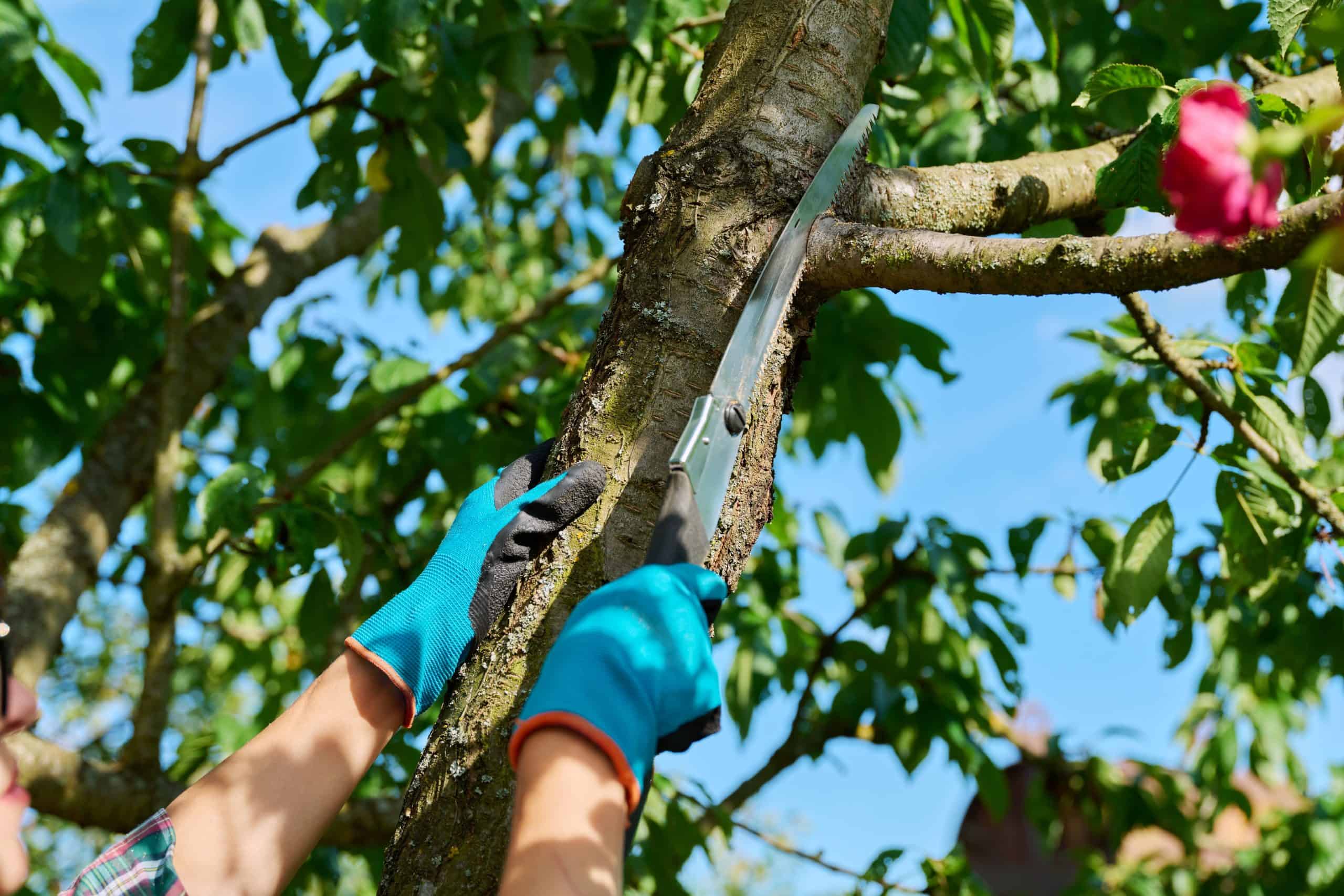
Most Smithville homeowners aren’t thinking about their trees until something forces the issue — a branch scraping the roofline, a limb hanging low over the driveway, or a storm rolling through and reminding you that the big silver maple out back hasn’t been touched in years. By the time it’s obvious, the job is usually bigger than it needed to be.
Getting ahead of it changes everything. Trimmed trees sit back from your structure, clear your sightlines, and stop being the thing you’re quietly worried about every time a spring storm pushes through on US-169. For properties near Smithville Lake and along the Little Platte River corridor, where cottonwood and silver maple can put on serious growth in a single season, regular trimming isn’t optional maintenance — it’s how you stay in front of the problem instead of reacting to it.
The result is a yard that looks like someone’s paying attention to it, a roofline that’s not being crowded, and one less thing to think about on the commute home. Clean property, cleared canopy, and no debris left behind — that’s what done right actually looks like.
We’ve been doing this work for over a decade — more than 1,200 trees managed, and a 100% safety record to show for it. That’s not a number pulled from a brochure. It’s the result of showing up to every job with the right crew, the right equipment, and a real plan before anyone touches a saw.
We’re fully licensed and insured, which matters more than most people realize until something goes wrong on a job. If a crew member gets hurt on your property and the company isn’t carrying workers’ compensation, that can become your problem fast. We carry both general liability and workers’ comp — so you’re covered, not just us.
Smithville sits about 22 miles north of Kansas City, KS & MO on US-169, and we know this part of the Northland well — the tree species common to the lake corridor, the way Missouri springs behave, and what properties here actually need. Our 4.9-star rating across more than 40 verified reviews reflects that consistency. Customers mention the safety, the cleanup, and the fair pricing in specific, detailed reviews — not just generic praise.
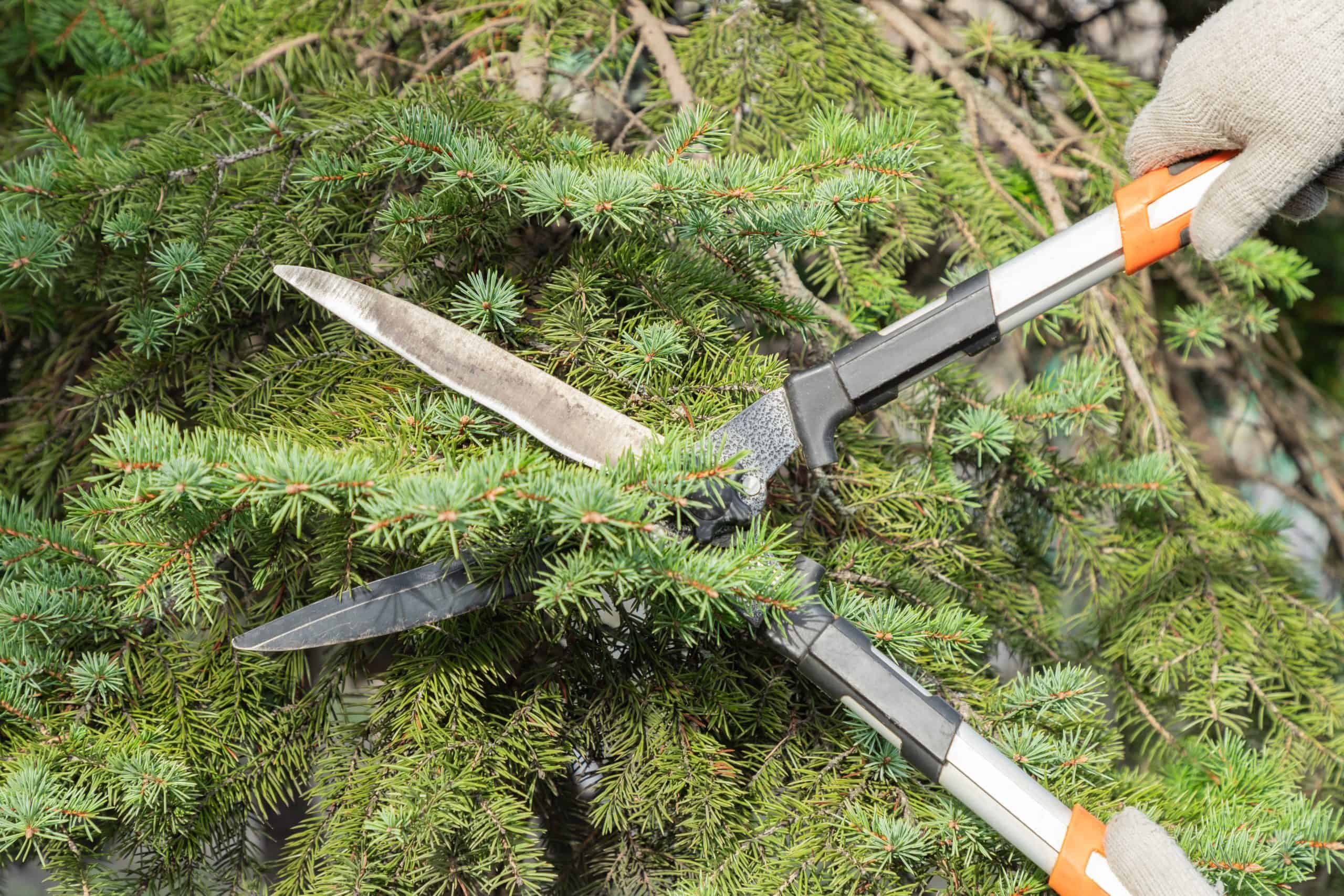
It starts with a free on-site quote, and most of the time that quote comes the same day you reach out. Someone from our crew comes to your property, walks the trees with you, and gives you a straight answer about what needs to happen and what it’s going to cost. No phone estimates, no vague ranges — because a tree that looks manageable from a photo can tell a completely different story once someone’s standing under it assessing the canopy spread, the proximity to your roofline, and how the branches are loaded.
Once you approve the quote, we get to work. For Smithville properties near the lake or along the river corridor, that often means dealing with fast-growing species that have developed significant canopy over just a few seasons. We handle overgrown tree trimming, canopy raising to clear structures and driveways, and tree shaping to bring things back to a manageable size without harming the tree’s long-term structure. Proper cuts matter — topping a tree is one of the most damaging things you can do to it, and we don’t do it.
When the work is finished, our crew cleans up completely. Every branch, every chip — hauled away. If you want to keep the wood or mulch, just say so. What you won’t find is a pile of debris sitting in your yard for the next two weeks. The job isn’t done until the property looks right.
Ready to get started?
Tree trimming covers a range of work depending on what your property actually needs. Canopy raising — lifting the lower limbs of a mature tree to create clearance beneath it — is one of the most common requests on Smithville’s larger lots, where trees have had room to spread and now overhang driveways, fences, or the roofline. Tree shaping brings an overgrown canopy back into proportion without stripping the tree of its structure. Branch trimming targets specific problem limbs — dead wood, crossing branches, anything that’s a hazard or interfering with a structure or utility line.
All of it comes with full cleanup. We haul everything away after the job, so you’re not left managing a pile of brush or renting a chipper on a Saturday. If you want the wood left for firewood or the chips spread as mulch, that’s easy to arrange — just mention it when we’re on-site.
For properties near Smithville Lake or in newer large-lot developments, the scope of a trimming job can be significant. The free same-day quote process exists for exactly that reason — so you know what you’re getting into before anyone starts. Pricing varies based on tree size, number of trees, and access, and we give you that number upfront. No runaround, no surprise charges after the fact.
One thing worth knowing: any trimming that affects trees within the city’s public right-of-way — street trees or anything overhanging a city easement — falls under Smithville’s public tree ordinance and may require coordination with the city. We can walk you through what applies to your specific situation during the on-site assessment.
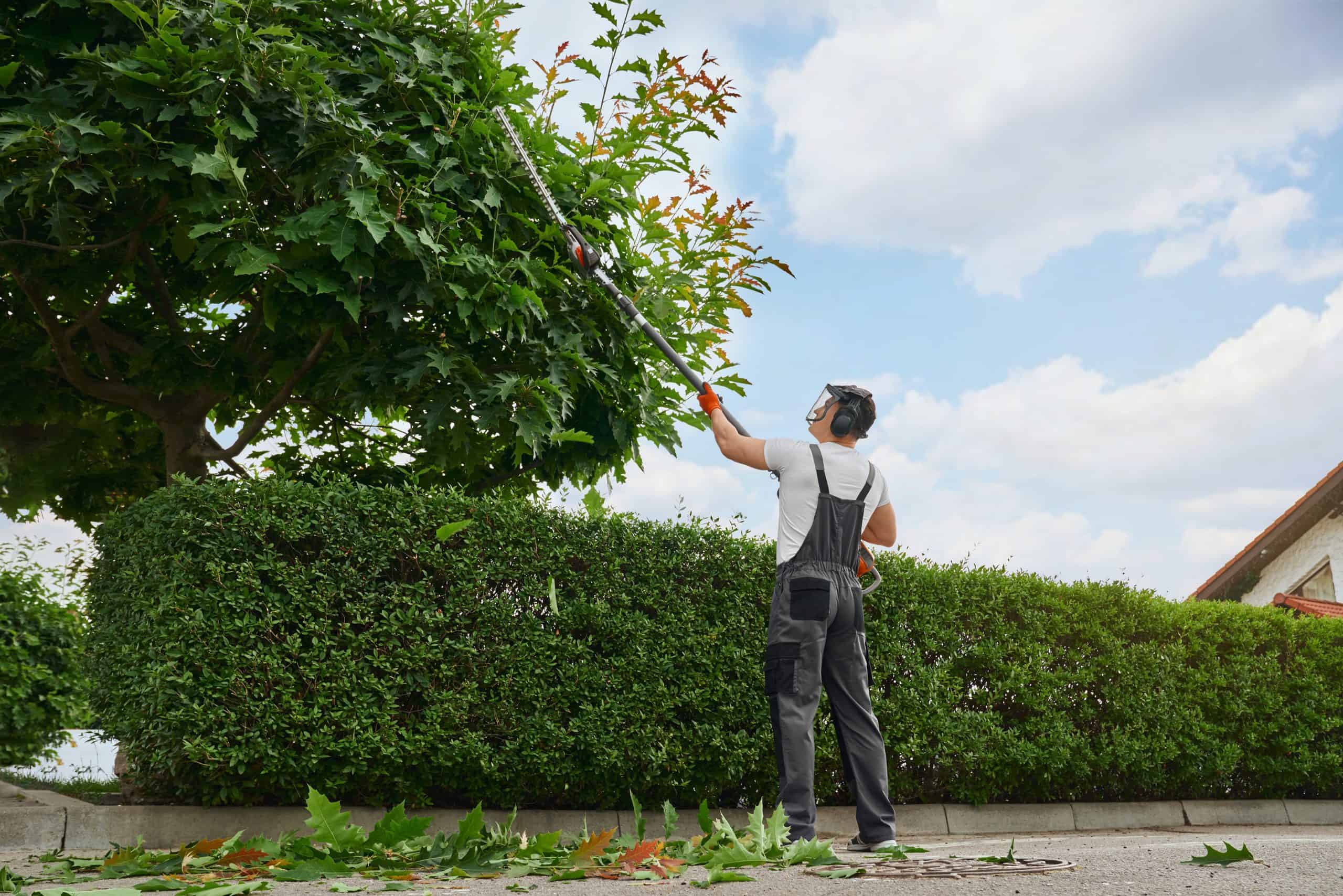
Tree trimming costs vary based on a few key factors: how tall the tree is, how many trees you’re having trimmed, how accessible they are, and whether any branches are near structures or utility lines. Nationally, most homeowners pay somewhere between $300 and $900 per tree, with smaller trees on the lower end and large mature trees on the higher end.
For Smithville properties — particularly those in newer large-lot developments or near the lake corridor where trees have had room to grow wide and tall — the scope can be larger than a typical suburban lot. That’s exactly why we offer free on-site quotes, most of which we turn around the same day. You get a specific number based on your actual trees, not a generic range that leaves you guessing. There are no hidden fees and no pressure to approve anything on the spot.
The best time is late winter to early spring — typically late January through early March in the Kansas City, KS & MO area. That’s when most Missouri tree species are fully dormant, which means less stress on the tree, lower risk of disease transmission through fresh cuts, and clearer sightlines for our crew to work safely.
That said, trimming can happen year-round when there’s a specific reason — a hazard branch that needs to come down now, storm damage that can’t wait, or canopy that’s grown into a structure. Smithville’s spring severe weather season, which can bring significant wind events, is a good reminder that waiting for the “perfect” timing isn’t always the right call. If something looks like a risk, it’s worth getting it assessed before the weather decides the outcome for you.
Canopy raising means removing the lower limbs of a mature tree to create clearance underneath it — for a driveway, a roofline, a fence line, or just to open up the space beneath a large tree. It doesn’t hurt the tree when it’s done correctly, and it’s one of the most effective ways to make a large tree work with your property instead of against it.
In Smithville, canopy raising comes up frequently on larger lots where trees have had room to develop significant lower branching over the years. Properties near the lake, in older neighborhoods near the historic downtown, and in newer large-lot subdivisions all tend to have trees where the canopy has grown low enough to create clearance issues. If you’re ducking under branches to get to your garage, or if the lower limbs are within reach of your roofline, canopy raising is probably worth discussing during your on-site assessment.
For trees on your own private residential property in Smithville, you generally don’t need a permit to trim or shape them. Missouri doesn’t have a statewide tree trimming permit requirement, and routine trimming on private land typically doesn’t trigger any local approval process.
The situation is different if the tree is in or adjacent to the city’s public right-of-way — street trees, or branches extending over a city easement. Smithville has a formal public tree ordinance that gives the city authority over trees in public spaces, and work in those areas may require coordination with city authorities before anything gets cut. During the on-site quote, we’ll take a look at where your trees are situated and flag anything that might involve the right-of-way so you know exactly what you’re dealing with before the job starts.
Most mature trees benefit from professional trimming every three to five years. Younger trees, or trees that are actively growing into structures or utility lines, may need attention more frequently — sometimes every two to three years. The right interval really depends on the species, how fast it’s growing, and what’s around it.
For properties near Smithville Lake and the Little Platte River corridor, this timeline can compress. Riparian species like cottonwood and silver maple are fast growers — they can add meaningful canopy in a single growing season, which means a tree that looked fine two years ago might already be crowding your roofline or hanging over the fence. An on-site assessment will give you a clearer picture of what your specific trees actually need and how often you should plan for maintenance going forward.
The two things that matter most before you hire anyone for tree work are proof of insurance and a track record you can verify. Ask specifically whether the company carries both general liability insurance and workers’ compensation. General liability covers damage to your property if something goes wrong. Workers’ comp covers the crew if someone gets hurt on your property — and without it, that liability can fall on you as the homeowner. Don’t take a company’s word for it; a legitimate operation will show you the documentation without hesitation.
Beyond insurance, look at the reviews — not just the star rating, but what people actually say. Reviews that mention safety, cleanup quality, and fair pricing tell you more than a generic five-star rating. Get a written quote before anything starts, make sure cleanup is included, and be cautious of anyone who gives you a phone estimate without seeing your trees in person.
Other Services we provide in Smithville