The neighborhoods north of Armour Street are full of character — older homes, established lots, and trees that have been growing since before most of us were born. That’s a good thing, until those trees start overhanging your roofline, crowding your neighbor’s fence, or dropping dead branches every time a storm rolls through.
When the canopy gets properly trimmed and shaped, you get your yard back. Sightlines open up, the structure of the tree gets healthier, and the risk of a branch coming down on something it shouldn’t goes down significantly.
North Kansas City sits right on the north bank of the Missouri River, and the weather in this corridor doesn’t mess around. Wind gusts during severe storms regularly hit 58 mph or higher across the Kansas City metro. In a compact city where homes and lots are close together, an overgrown or structurally weak tree isn’t just your problem — it’s your neighbor’s problem too. Getting ahead of that is a lot cheaper than dealing with the aftermath.
North Kansas City has also held Tree City USA status for 28 consecutive years. The city manages around 3,000 trees through its Public Works department and holds private property to real maintenance standards. When your city takes its canopy that seriously, it’s worth making sure your own trees don’t fall behind.
Squirrel Master Tree Services is a family-owned, locally rooted tree care company that has been working across the Kansas City area for over 10 years. We live and work in this region — not a national franchise dispatching strangers, just people who know these trees, this weather, and what it takes to do the job without leaving a mess behind.
Over 1,200 trees managed. A 100% safety record. A 4.9-star rating across more than 40 verified reviews. Those aren’t numbers pulled out of thin air — they’re the result of showing up, doing the work carefully, and leaving every property cleaner than we found it.
North Kansas City is just across the river from Kansas City proper, and it’s a natural part of the area we serve. Whether you’re in one of the older residential blocks north of Macken Park or managing a rental property near Armour Road, our crew is familiar with the kinds of mature trees that come with this part of Clay County — and how to handle them safely.
It starts with a free quote, and most of the time that quote happens the same day you call. Someone from our crew comes out, walks the property with you, and takes a real look at what’s going on — which branches are dead, which parts of the canopy are overextending, whether any limbs are getting too close to the roofline or a neighboring lot. In North Kansas City’s denser residential blocks, that on-site assessment matters more than it would on a large suburban lot. There’s less margin for error when homes are close together.
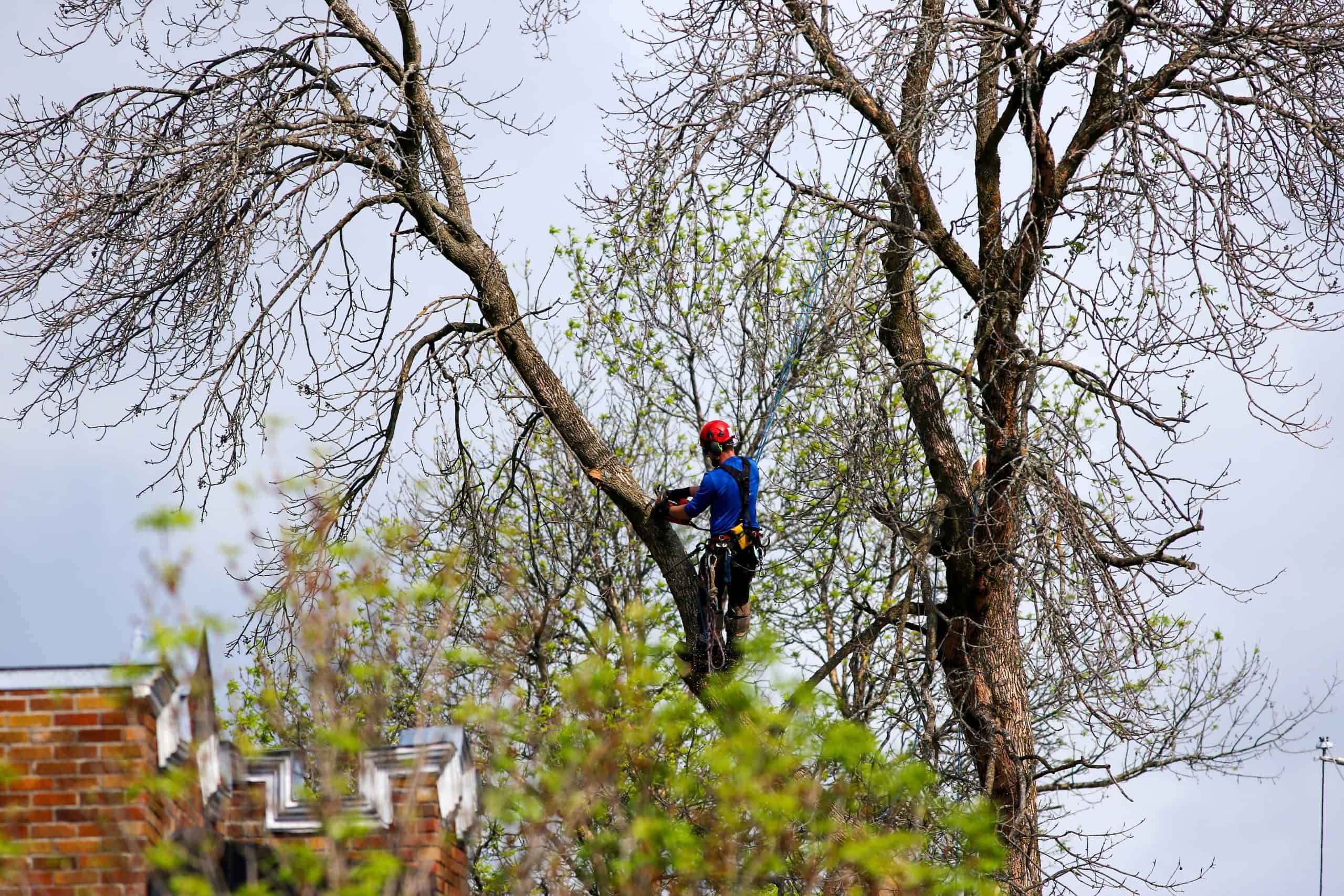
Once you agree on the scope and the price, we get to work. Tree trimming in North Kansas City often involves canopy raising — lifting the lower canopy to create clearance beneath mature trees — along with dead branch removal, structural pruning, and shaping where the tree has grown unevenly over the years. For trees near structures or property lines, we work carefully and deliberately. This isn’t a rush job.
When the work is done, everything gets cleaned up. Every branch, every chip, every piece of debris. You can keep the wood or mulch if you want it — otherwise it’s hauled away. The city’s property maintenance inspection program means overgrown vegetation on private property can become a real issue, so finishing the job clean matters. You won’t be left with a pile at the curb and a call from the city.
Ready to get started?
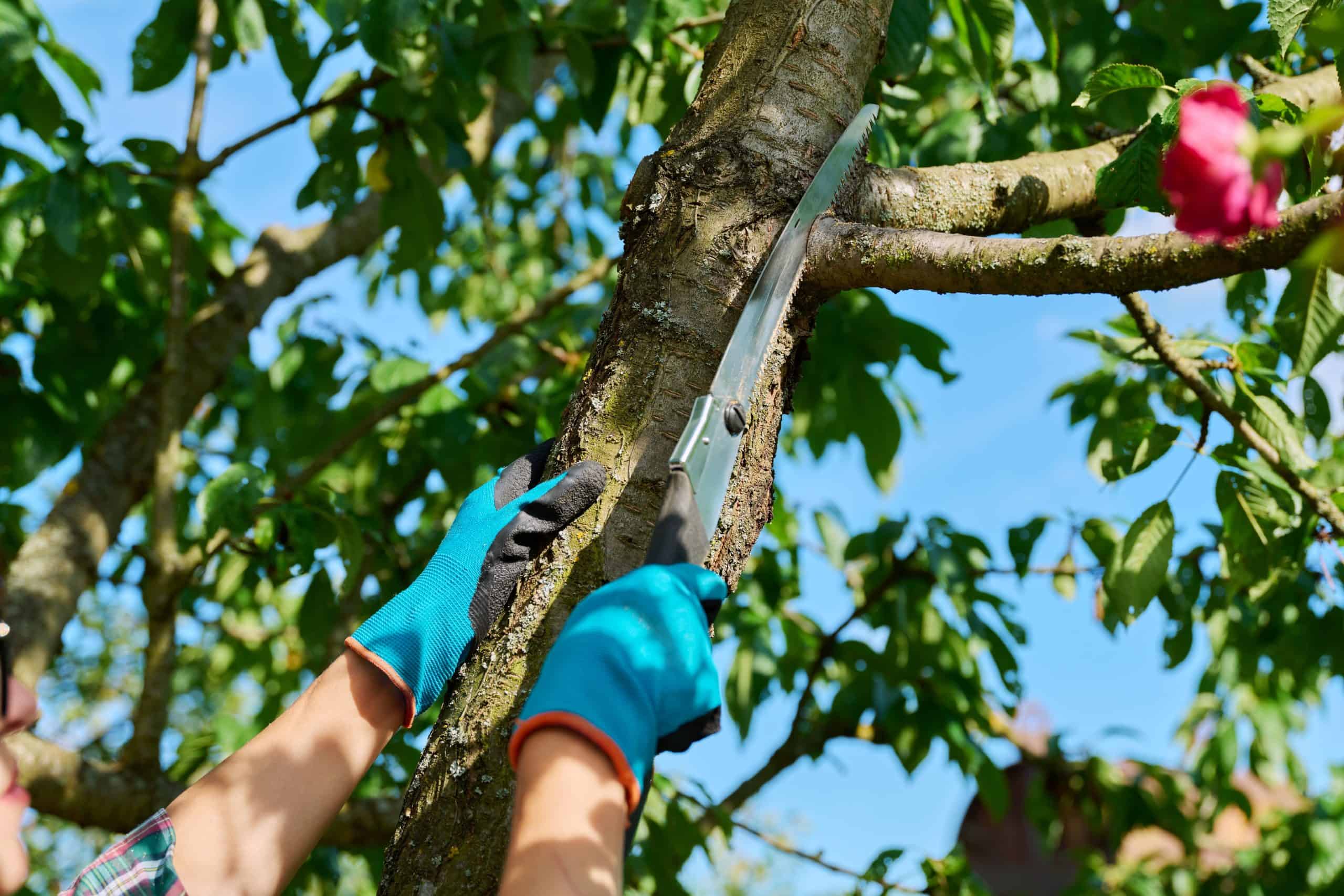
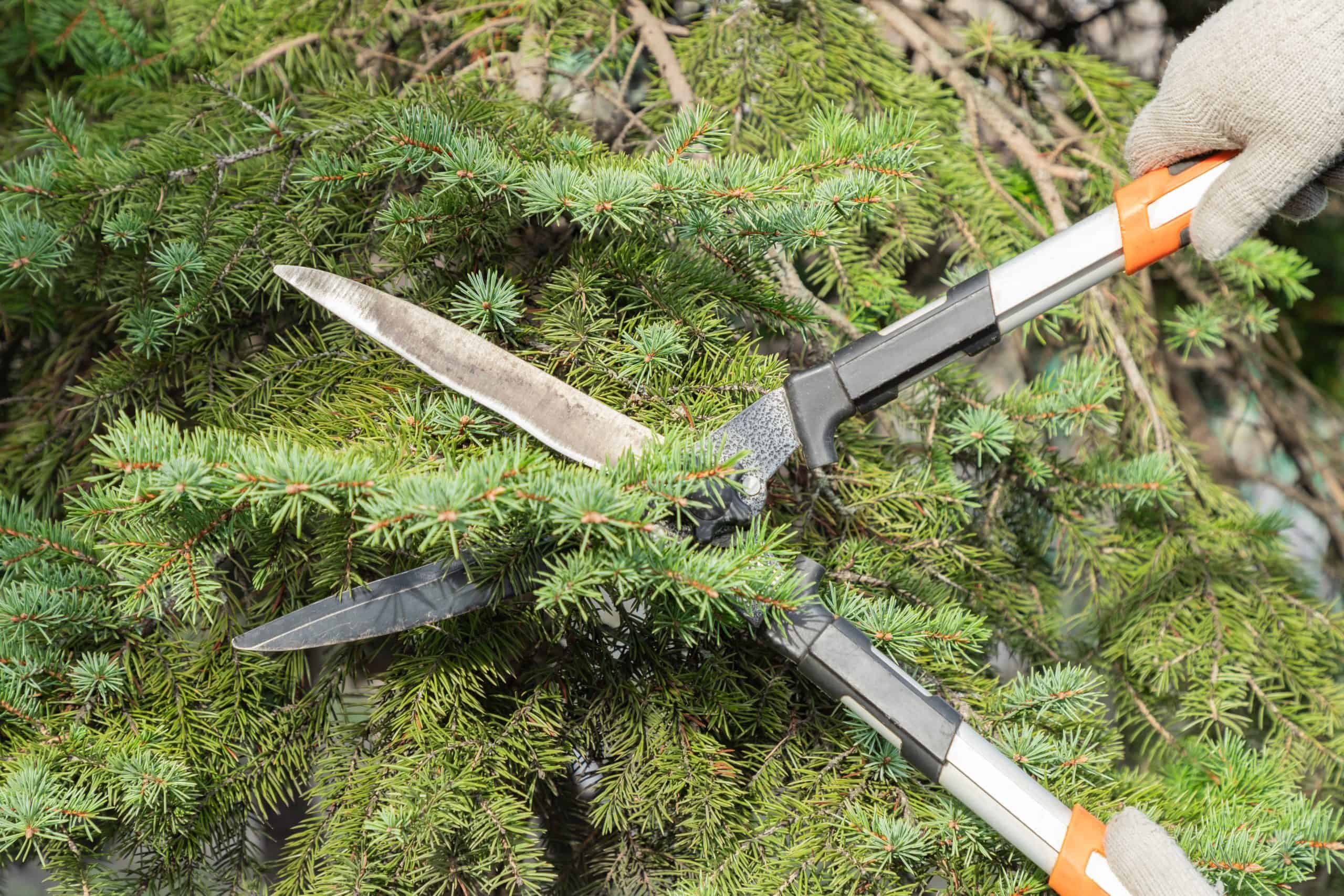
Tree trimming covers more ground than most people realize when they first call. The core of it is removing what doesn’t belong — dead branches, crossing limbs, weak growth that’s pulling the tree’s structure in the wrong direction. But it also includes shaping the canopy so the tree grows the way it should, raising the lower canopy to clear structures and sightlines, and thinning dense areas to let more light and air move through. All of that is part of a standard trimming visit.
In North Kansas City specifically, a lot of the work involves mature deciduous trees — oaks, maples, elms, cottonwoods — that have had decades to grow without much professional intervention. These aren’t small ornamental trees. They need a crew that knows how to read the structure, make the right cuts, and leave the tree in better shape than we found it.
Improper cuts — especially topping, which some less experienced crews still do — can permanently damage a tree’s structure and invite disease. We don’t do that work. Every job includes full cleanup, no exceptions. If you’re a landlord managing rental properties in North Kansas City, that matters — your tenants aren’t going to call you about debris left in the yard. If you’re a homeowner near Armour Road or in the blocks around Macken Park, it means your property looks right when we leave. The quote is free, the process is straightforward, and the price doesn’t change after the fact.
For most private property tree trimming in North Kansas City, no permit is required. The city’s tree ordinance primarily governs public trees — the approximately 3,000 city-owned trees managed by the Public Works and Municipal Services Division — along with trees in parks and along public rights-of-way. Trimming or removing a tree on your own private lot generally falls outside that permit requirement.
That said, there’s an important distinction to be aware of in North Kansas City’s compact geography. Many residential properties in the older neighborhoods north of Armour Street sit close to the street, which means trees on private lots can sometimes be near or adjacent to city right-of-way trees. If there’s any question about whether a tree is on private property or in the right-of-way, it’s worth a quick call to the city’s Community Development Department before work begins. Our crew can help you identify that during the on-site assessment.
For most of the deciduous trees common in North Kansas City — oaks, maples, elms, cottonwoods — late winter to early spring is the ideal window. That’s when trees are still dormant, before new growth pushes out, and the structure of the canopy is fully visible without leaves in the way. Trimming during dormancy also reduces stress on the tree and lowers the risk of disease or pest issues that can follow improper cuts made during active growing season.
North Kansas City’s spring severe weather season creates its own timeline. When a storm rolls through the Missouri River corridor and damages a branch, you don’t wait for February to deal with it. We offer same-day emergency response for storm-damaged trees, so if something comes down or splits during one of the area’s high-wind events, you can get someone out quickly. For routine trimming, late winter is the smart call. For anything urgent, we’re available when you need us.
Most homeowners pay somewhere between $300 and $900 per tree for professional trimming, though the range runs wider depending on the specifics. Small trees under 25 feet tend to fall in the $150 to $250 range. Medium trees — 25 to 50 feet — typically run $250 to $500. Large, mature trees over 50 feet can go from $500 to $1,500 or more depending on complexity, access, and what the job actually requires.
In North Kansas City, the older housing stock means a lot of the trees people are dealing with are on the larger end — mature oaks and maples that have been growing for 50 or 70 years. Those jobs take more time and more care than trimming a young ornamental. Factors that affect the price include the tree’s size and height, how close it is to structures or neighboring properties, how accessible the work zone is, and how many trees are being done in one visit. We give free, same-day quotes so you get a real number before any work starts — no guessing, no surprises after the fact.
Canopy raising means removing the lower branches of a tree to lift the bottom of the canopy higher off the ground. The goal is to create clearance — under the tree and around it — so the space beneath it becomes usable and the tree stops encroaching on structures, sightlines, driveways, or neighboring lots.
In North Kansas City’s residential neighborhoods, canopy raising comes up constantly. The homes north of Armour Street are older, the lots are relatively small, and the trees have had decades to spread. Low-hanging branches that scrape rooflines, block sightlines at driveways, or hang over a neighbor’s fence are a common issue in this part of Clay County. Canopy raising addresses all of that without removing the tree — the canopy stays full and healthy up top, you just get your clearance back underneath. It’s one of the most practical and commonly requested services we handle in this area, and it makes a visible difference on a small urban lot.
They’re related but not identical. Trimming is primarily about controlling size and shape — cutting back branches that have grown too long, clearing structures, and keeping the canopy looking right. It’s the more common of the two for routine residential maintenance. Pruning is more specifically about the health and structure of the tree — removing dead, diseased, or crossing branches that are causing problems inside the canopy, even if those branches aren’t visibly obvious from the ground.
In practice, a professional trimming visit usually involves elements of both. When our crew comes out, they’re not just cutting to a shape — they’re looking at the structure of the tree and making cuts that support its long-term health. For the mature trees common in North Kansas City’s older neighborhoods, that distinction matters. A tree that’s been growing for 60 years without professional attention may have structural issues — crossing limbs, weak branch unions, dead wood — that need to be addressed at the same time as the cosmetic shaping. Getting both done in one visit is more efficient and better for the tree.
For small trees and low branches close to the ground, some homeowners manage basic trimming themselves. But in North Kansas City, where a lot of the residential trees are large, mature specimens that have been growing for decades, DIY trimming gets complicated — and risky — quickly. Working at height with a chainsaw near structures, fences, and neighboring properties is genuinely dangerous, and improper cuts can cause lasting damage to a tree that’s been on your lot for 50 years.
There’s also the question of what happens if something goes wrong. An uninsured crew or a DIY job that damages a neighboring property creates a liability problem that costs far more than the job itself. Squirrel Master Tree Services is fully insured — general liability and workers’ compensation — which means you’re covered if anything unexpected happens during the work. In a compact city like North Kansas City where neighboring lots are close and the Community Development Department conducts systematic property inspections, having the work done correctly and by an insured crew isn’t just convenient. It’s the lower-risk choice by a wide margin.
Other Services we provide in North Kansas City