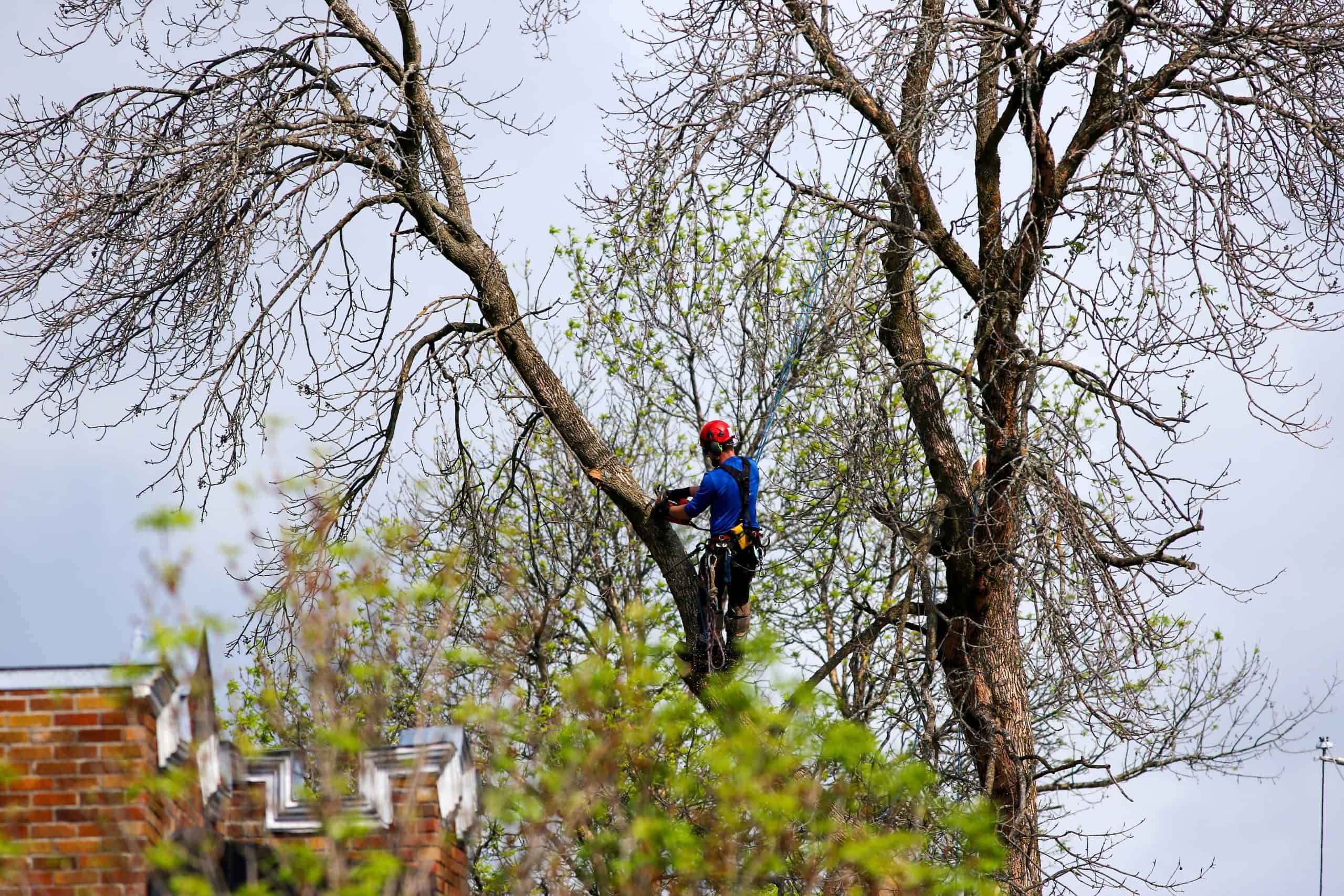
Riverside was incorporated in 1951, and a lot of its trees have been growing ever since. That’s not a problem — it’s actually one of the things that makes the city feel the way it does. But a silver maple or cottonwood that’s been growing unchecked for 30 or 40 years isn’t just large. It’s heavy, structurally complex, and often carrying dead wood that isn’t visible from your back door.
When those issues get addressed by someone who actually knows what they’re looking at, the difference is immediate and lasting. Your yard feels more open. The risk of a branch coming down on your fence, your roof, or your neighbor’s property drops significantly. The tree itself — properly trimmed, not hacked — stays healthier and lives longer. That matters in a city where mature tree canopy is part of what people are paying for when they choose to live in Riverside.
Riverside sits right on the Missouri River, and that changes everything about how trees need to be managed here. The river corridor channels northwest and southwest winds directly into the city with less protection than you’d get in a more sheltered inland neighborhood. Trees here carry more wind load than the same species growing five miles east. Proactive canopy trimming — raising the crown, removing dead branches, reducing weight on heavy limbs — isn’t just cosmetic maintenance in Riverside. It’s how you keep a storm from making that decision for you.
We are a family-owned, Kansas City, KS & MO-based tree care company with over 10 years of experience working throughout the metro. Riverside is a short drive from our base via I-635 — not a distant service area we squeeze in on Fridays, but a neighborhood we know and work in regularly. We’re fully licensed and insured, and every job includes full cleanup. No piles left behind, no debris on the neighbor’s lawn, no mess for you to deal with after we leave.
Our 4.9-star rating across 40-plus verified reviews didn’t come from showing up and doing the bare minimum. It came from jobs where the crew treated the property carefully, communicated honestly, and left the yard cleaner than we found it. That’s the standard on every job in Riverside, whether it’s a single branch over a roofline or a full canopy trim on a 70-year-old cottonwood near the river. Quotes are always free and most are given the same day.
It starts with a free on-site assessment. We come out, walk the property with you, and look at every tree you’re concerned about. For Riverside properties, that often means evaluating large-canopy species — cottonwoods, silver maples, sycamores — that have been growing for decades and may have structural issues that aren’t obvious from the ground. We’ll tell you exactly what we see, what needs attention, and what doesn’t. No pressure, no upsell.
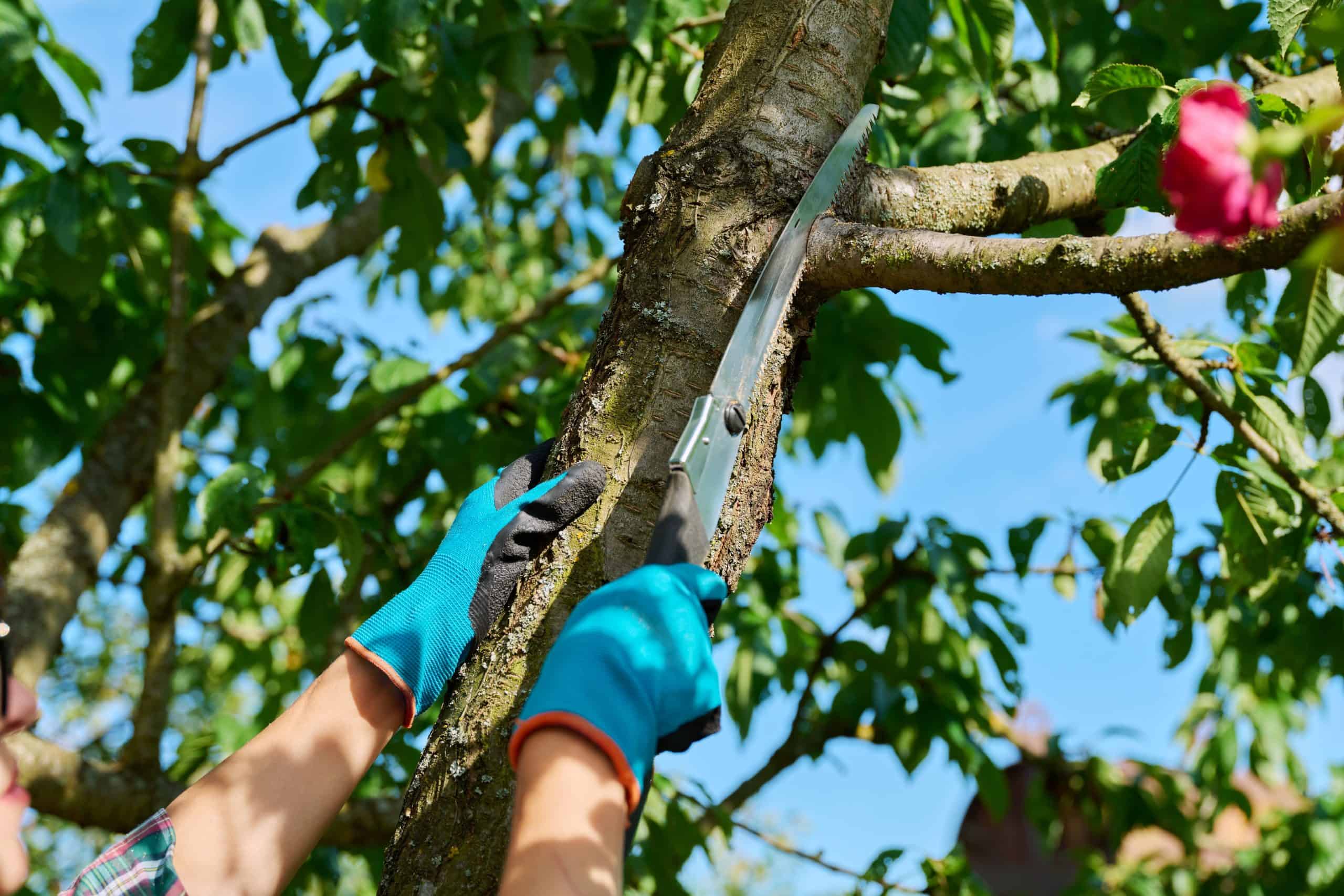
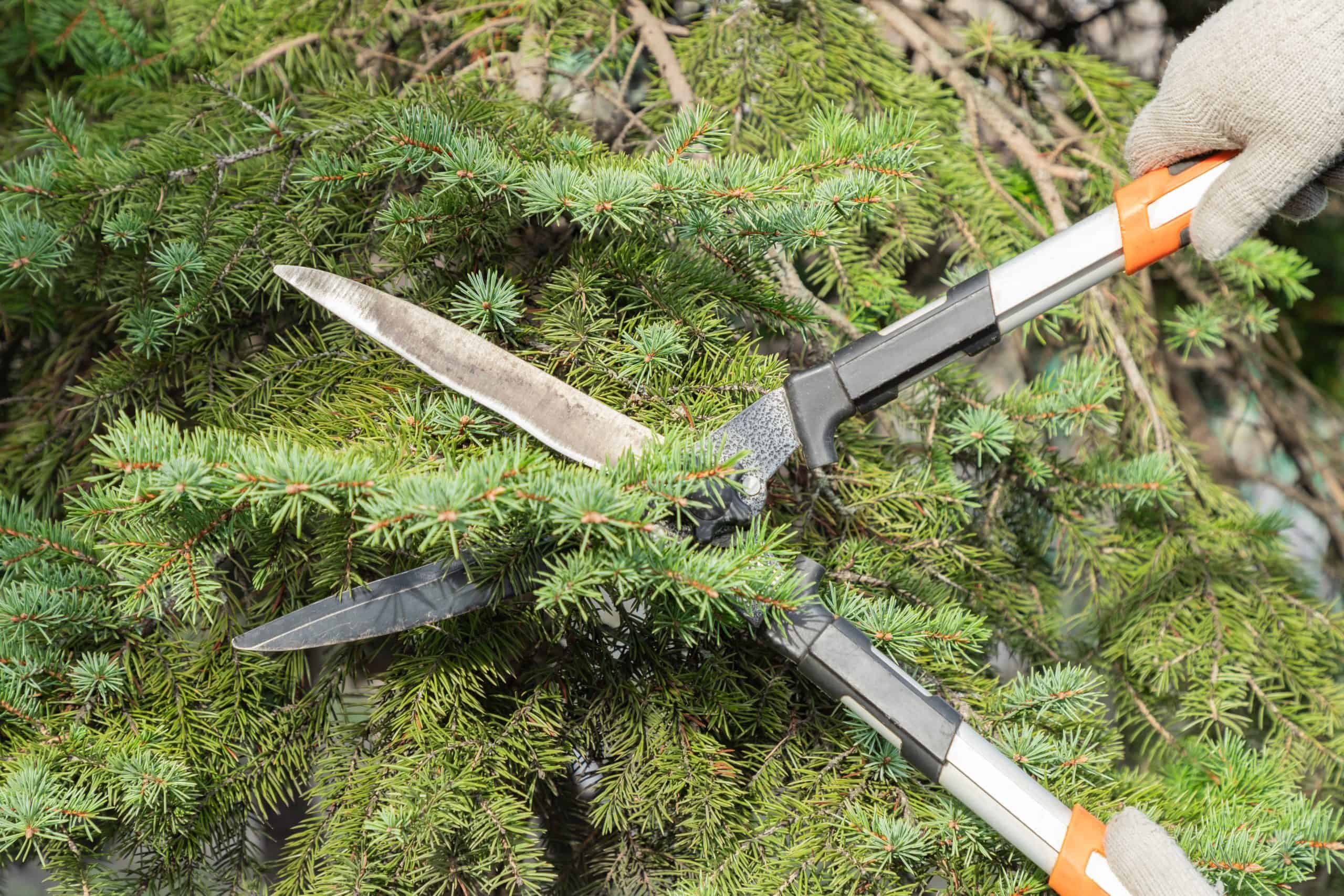
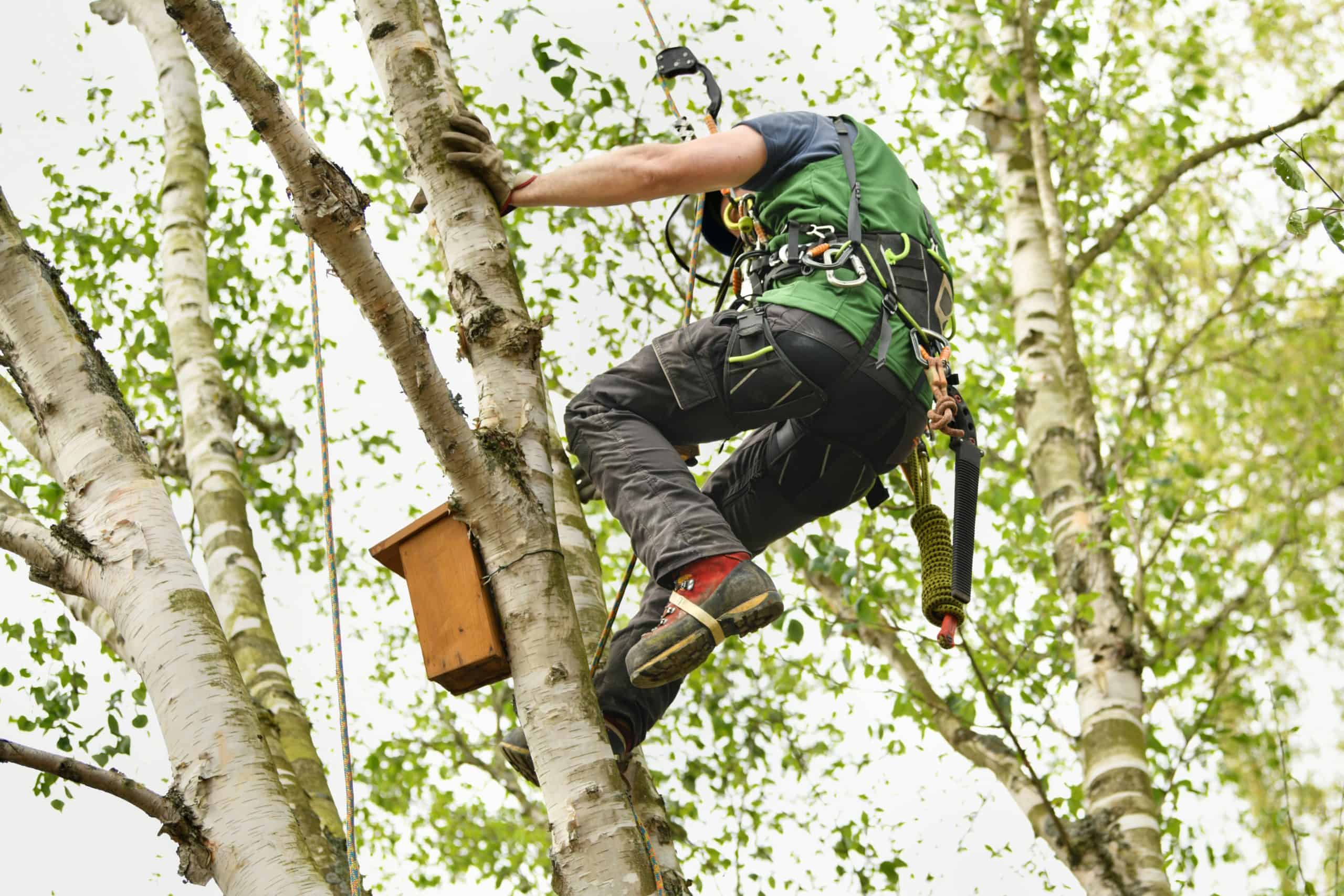
Once you’re comfortable with the quote, we schedule the work. Most jobs are completed in a single visit. Our crew handles everything — trimming, canopy raising, dead branch removal, shaping — using the right cuts for each species and each situation. We don’t top trees. It’s a harmful practice that permanently damages tree structure, and it’s not something we do. Every cut is made with the tree’s long-term health in mind, not just what looks tidy from the street.
When the work is done, we clean up completely. All debris is removed from your property. If you want to keep the wood or mulch, just say so — we’ll leave it for you. The final walkthrough is yours to confirm everything looks right before we leave. For Riverside homeowners dealing with the city’s spring storm season, late winter and early spring — while trees are still dormant — is the best window for most trimming work. It’s easier to assess structure without leaf cover, and you’re getting ahead of the season before the weather makes it urgent.
Ready to get started?
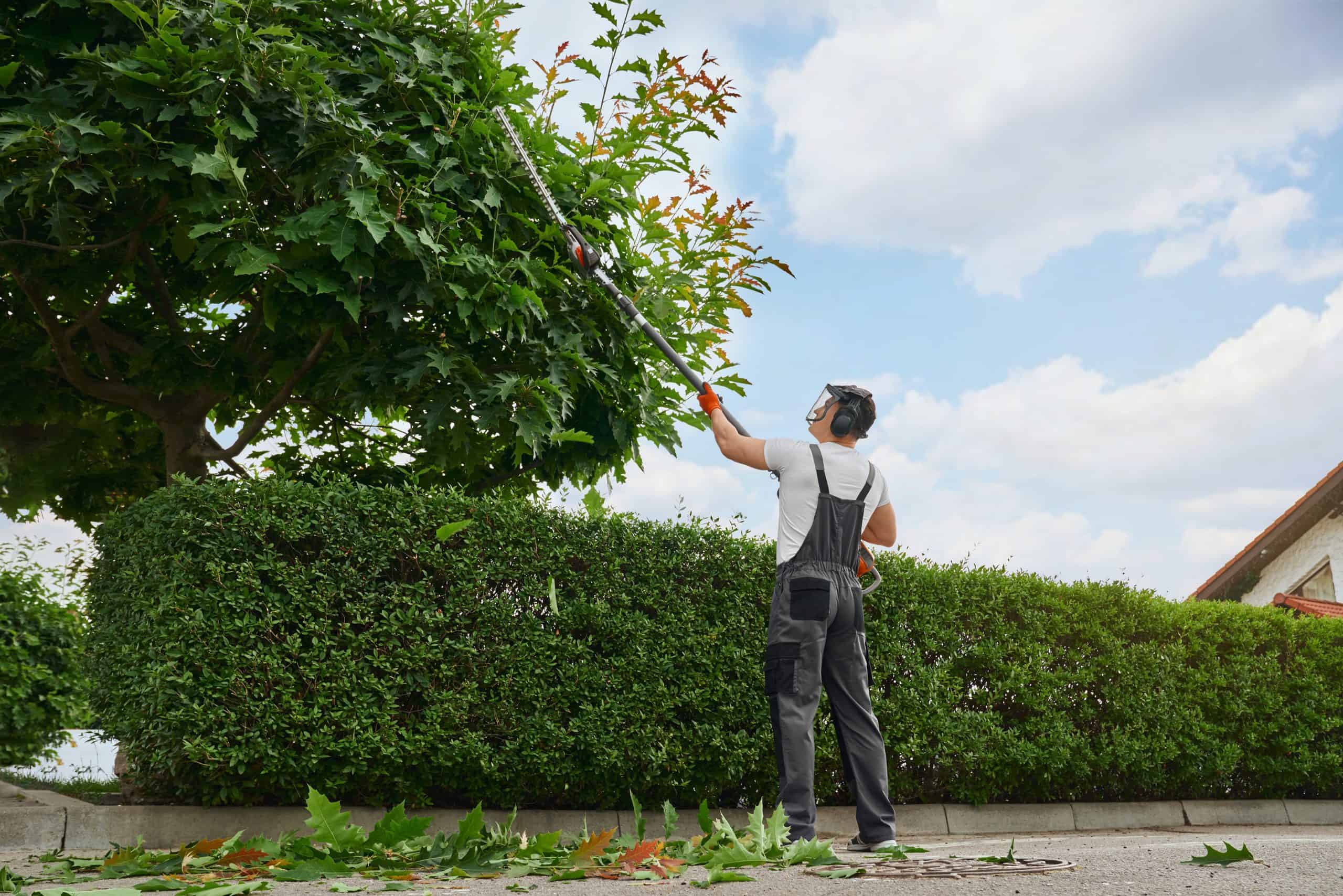
Every tree trimming job from us includes an on-site assessment, the trimming work itself, and full debris cleanup — no exceptions. What that looks like in practice depends on the tree, but in Riverside, the most common work involves canopy raising on large bottomland hardwoods, dead branch removal on mature silver maples and cottonwoods, and structural trimming to reduce wind load on trees that are exposed to the Missouri River corridor. These aren’t add-ons. They’re part of doing the job correctly.
Tree shaping and canopy trimming are also part of the standard scope when the tree calls for it. If a large cottonwood has developed a wide, heavy canopy that’s overhanging your roofline or blocking light to the yard, we address that as part of the trim — not as a separate line item. The goal is always to leave the tree healthier and better structured, not just smaller.
Riverside’s municipal code includes provisions for protecting significant trees, particularly in the context of land disturbance and new development near the river. For routine residential trimming on your own property, permits are generally not required — but if you’re dealing with a tree near a property line, a structure, or in a development zone, it’s worth a quick check with the city’s Department of Public Works before work begins. We’re happy to talk through any of that during the free quote visit. Pricing varies based on tree size, species, and access, and most quotes are given same-day at no cost.
For most mature hardwood trees — the cottonwoods, silver maples, sycamores, and green ash that are common throughout Riverside’s older neighborhoods — professional trimming every three to five years is a reasonable general guideline. That said, it’s not a strict rule. A tree that’s growing near a structure, overhanging a fence, or showing signs of dead wood may need attention sooner, regardless of when it was last trimmed.
In Riverside specifically, the river-corridor wind exposure means trees here tend to accumulate storm stress faster than the same species in more sheltered areas. A branch that looks stable in a calm week can become a liability after a spring thunderstorm rolls through the Northland. Having a crew assess your trees every few years — even if the answer is “nothing urgent right now” — is a lot cheaper than dealing with storm damage after the fact. The free on-site quote is a good starting point if you’re not sure where your trees stand.
The short version: trimming is primarily about managing size, shape, and clearance — keeping branches away from structures, raising the canopy, controlling spread. Pruning is more focused on the tree’s internal health — removing dead, diseased, or crossing branches that are creating structural problems or inviting disease. In practice, a good trimming job incorporates both. You’re not just shaping the outside; you’re also looking at what’s happening inside the canopy.
The reason it matters is that a crew focused only on aesthetics might leave behind dead wood or weak branch unions that create real problems down the road. Especially with Riverside’s large-canopy species — a 60-year-old silver maple with crossing limbs isn’t just an eyesore, it’s a structural risk. When you hire us to trim your trees, the work should address both what the tree looks like and how it’s actually holding together. Those two things aren’t always the same conversation.
It can be, for a couple of reasons. First, the tree species common along and near the Missouri River corridor — cottonwood, sycamore, silver maple, river birch — tend to grow fast and large. Eastern cottonwood in particular can reach 100 feet. Large, fast-growing trees develop more complex canopy structures than smaller ornamental species, and they require more careful assessment before any cuts are made. Getting it wrong on a tree that size has real consequences.
Second, the river corridor creates a wind exposure pattern that inland properties don’t have. The Missouri River is a wide, open channel, and prevailing winds move through it with less obstruction than they’d face in a typical suburban neighborhood. Trees in Riverside — especially those on the south-facing side of properties near the river — carry more wind load than you might expect. That’s why canopy raising and weight reduction on heavy limbs aren’t just aesthetic choices here. They’re practical ones. A properly trimmed tree handles wind events better than one that’s been left to grow unchecked for years.
A few things are worth paying attention to. Dead or hanging branches — especially ones that are visibly dry, cracked, or not leafing out in spring — are the most obvious sign. Branches growing toward or over your roofline, fence, or power lines are another clear indicator. If the canopy has become so dense that very little light reaches the ground beneath it, that’s also a signal that the tree could benefit from thinning.
Less obvious signs include branches that are rubbing or crossing each other (which creates wounds that invite disease), any visible cracking or splitting at major branch unions, and leaning that wasn’t there before. For Riverside homeowners with older trees, it’s also worth looking at the base of the trunk after a heavy rain — any soft spots, fungal growth, or soil heaving can indicate root or structural issues that need professional eyes. You don’t have to diagnose any of this yourself. The free on-site assessment is exactly for this — we’ll walk the property with you and tell you honestly what we see.
Pricing varies based on tree size, species, how many trees you’re having trimmed, and how accessible they are. Nationally, most homeowners pay somewhere between $300 and $900 per tree, with smaller trees on the lower end and large, mature trees on the higher end. For Riverside properties with large-canopy bottomland species — a 70-foot cottonwood or a wide-spreading silver maple — you’re generally looking at jobs that fall in the mid-to-upper part of that range, simply because of the size and complexity involved.
The best way to get an accurate number is to have someone walk the property and look at the actual trees. Phone estimates for large, mature trees aren’t reliable — there are too many variables that can only be assessed in person. We offer free same-day quotes with no obligation. You’ll get a clear, specific number before any work begins, and there’s no pressure to move forward on the spot. If you want to get multiple quotes before deciding, that’s a reasonable thing to do — just make sure any company you’re comparing is fully insured, including workers’ compensation, before you sign anything.
Full cleanup is included on every job — it’s not an add-on and it’s not negotiable. When our crew leaves your Riverside property, all debris is removed. That includes branches, chips, and any material that ended up on the lawn, driveway, or neighboring property during the work. One of the more common complaints homeowners have about tree crews is getting a yard full of wood and brush left behind for them to deal with. That’s not how we operate.
If you want to keep the wood — for firewood, for mulch, or just because you have a use for it — tell us before the job starts and we’ll set it aside for you instead of hauling it away. Otherwise, it goes with us. For Riverside properties where lots sit close to neighbors, this matters more than people sometimes realize. A large trimming job on a mature cottonwood can generate a significant amount of material, and making sure none of it ends up in a neighbor’s yard is part of doing the job right. It’s one of the things that comes up repeatedly in our reviews, and it’s something we take seriously on every job regardless of size.
Other Services we provide in Riverside