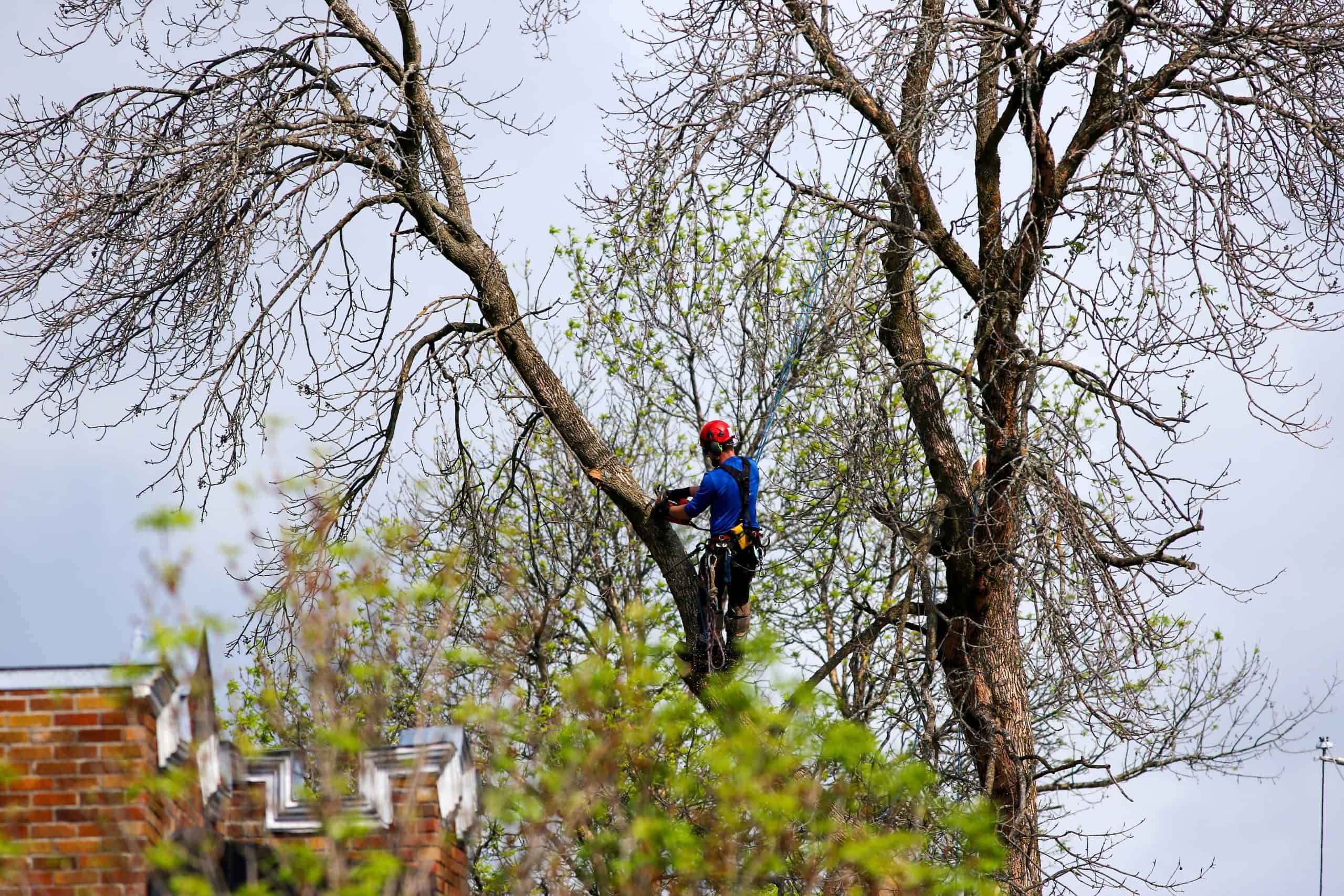
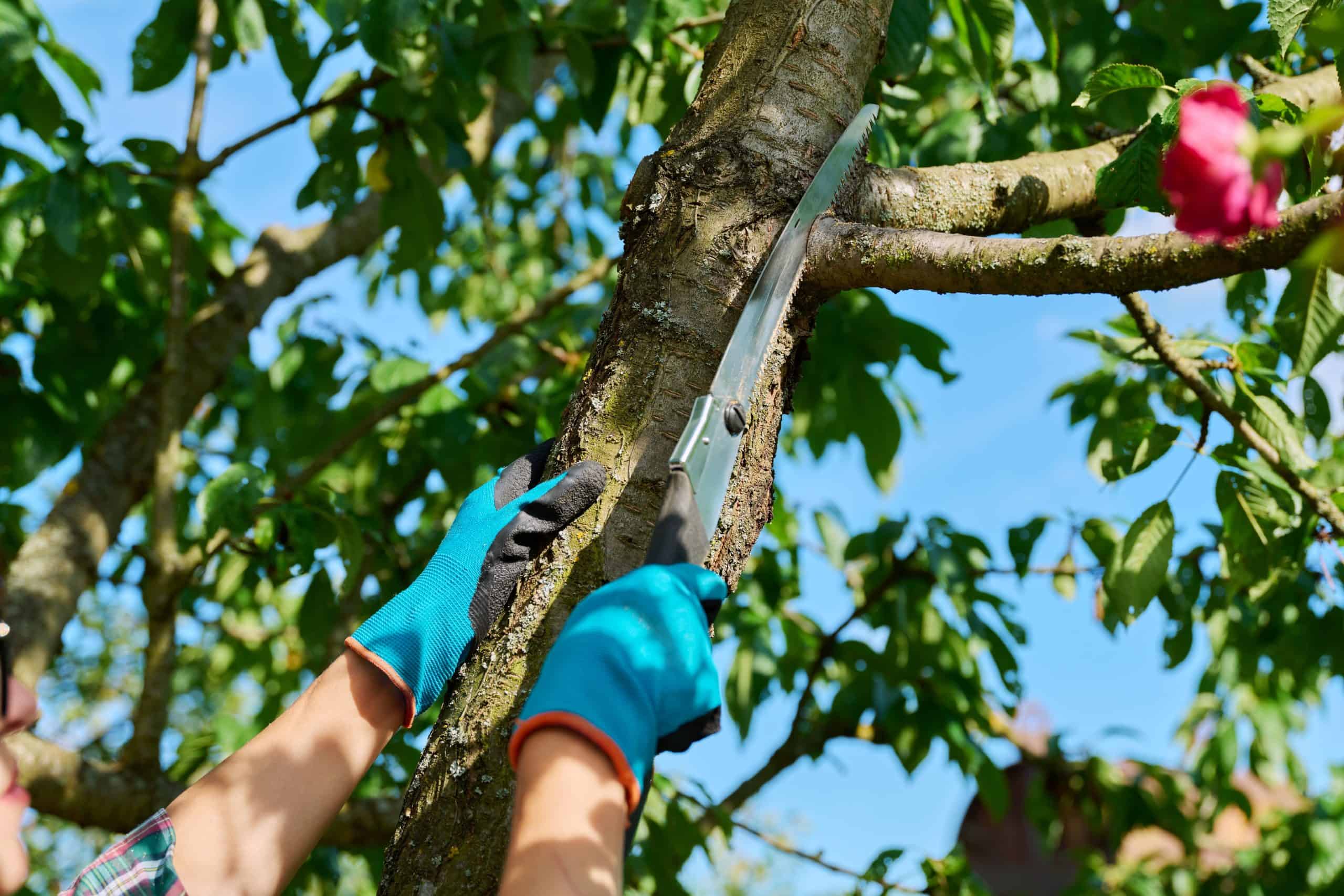
Mission is one of the most densely settled cities in Johnson County — 2.68 square miles, houses sitting close together, mature trees growing right up against rooflines, fences, and power lines along Roe Avenue and Johnson Drive. When a branch fails here, it doesn’t fall into an open field. It lands on something.
When overgrown tree trimming gets done right, the immediate result is obvious. Your yard looks cleaner, your canopy is shaped, and the branches that were creeping toward your roof or your neighbor’s fence are gone. But the longer-term benefit is what most people don’t think about until something goes wrong. A properly trimmed tree is structurally stronger. It handles Kansas City, KS & MO’s spring storm season better. Dead weight gets removed before it becomes a liability.
Mission’s housing stock dates back to the 1920s and was largely built out through the 1960s. The trees that went in alongside those homes are old — some of them very old — and older trees need more than a rough cut. They need someone who can read the canopy, identify what’s at risk, and make the right call on what stays and what goes. That’s the difference between tree trimming that protects your property and trimming that just makes the yard look tidier for a season.
We’re a family-owned, locally rooted crew based in Kansas City, KS & MO, KS — and Mission isn’t a stretch of our service radius. It’s one of the core towns we work in regularly. That matters when you’re dealing with the kind of mature tree canopy that defines neighborhoods like Cunningham Heights and Arrowhead Trails, where the trees are big, the lots are close together, and the margin for error is smaller than in a wide-open suburban development.
We’ve been doing this for over ten years, have safely handled more than 1,200 trees, and maintain a 100% safety record. We’re fully insured — general liability and workers’ compensation — which isn’t just a credential. In a city as dense as Mission, it’s the thing that protects you if something unexpected happens near your fence, your neighbor’s property, or the power infrastructure running through your block.
Our rating across 40-plus verified reviews sits at 4.9 stars. Customers specifically call out the safety of our work, fair pricing, and thorough cleanup. One reviewer noted that we cleaned up not just their own property, but the neighbor’s too. In Mission, that level of care isn’t optional — it’s what the job requires.
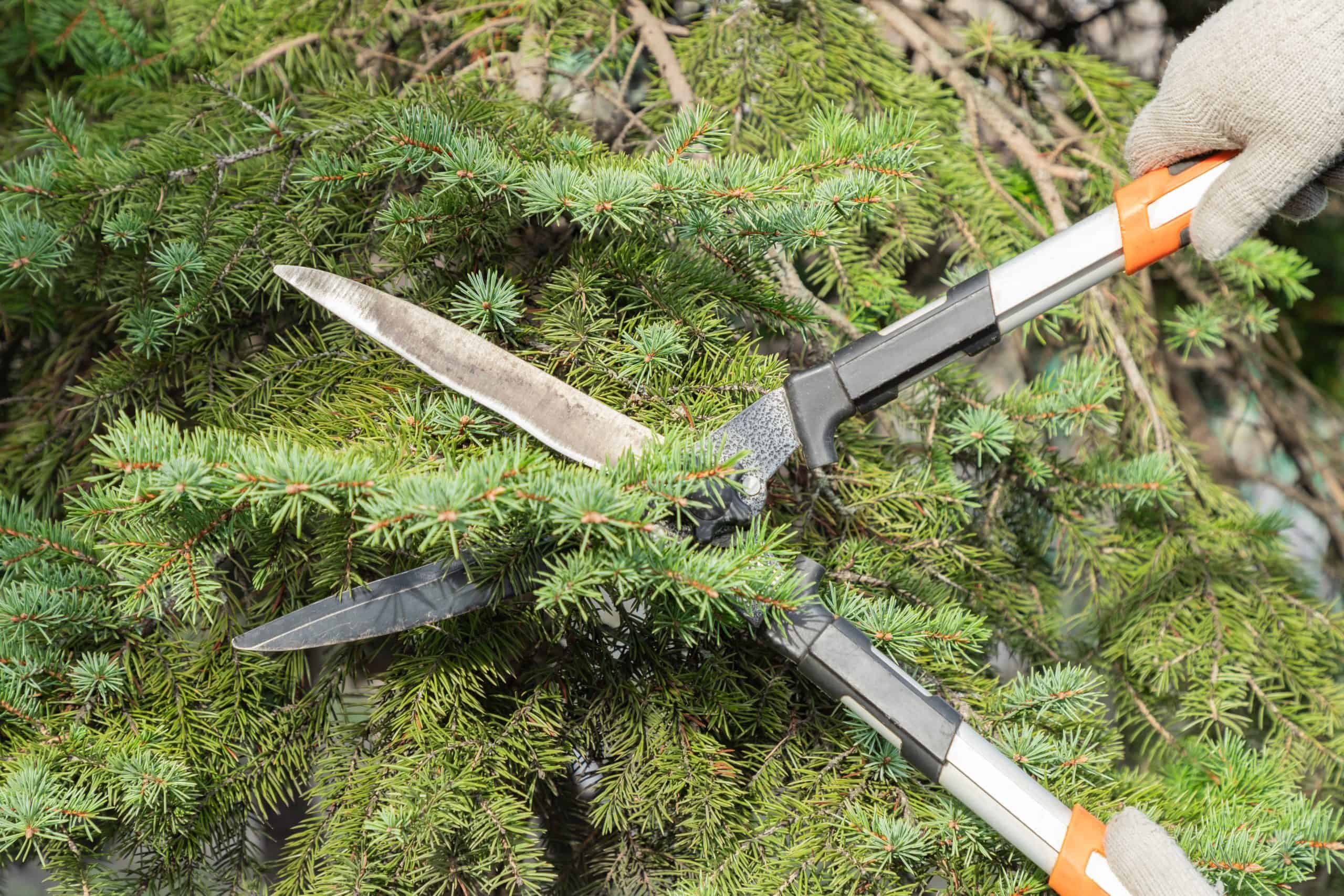
It starts with a free quote, usually same-day. Someone comes out, walks the property, and looks at the trees in person — not over the phone, not from a photo. For Mission properties, that on-site look matters more than most places. Trees near power lines along the Shawnee Mission Parkway corridor, branches overhanging shared fences, canopies that have grown into neighboring yards — these aren’t things you can assess from a driveway conversation. The quote reflects what the job actually involves.
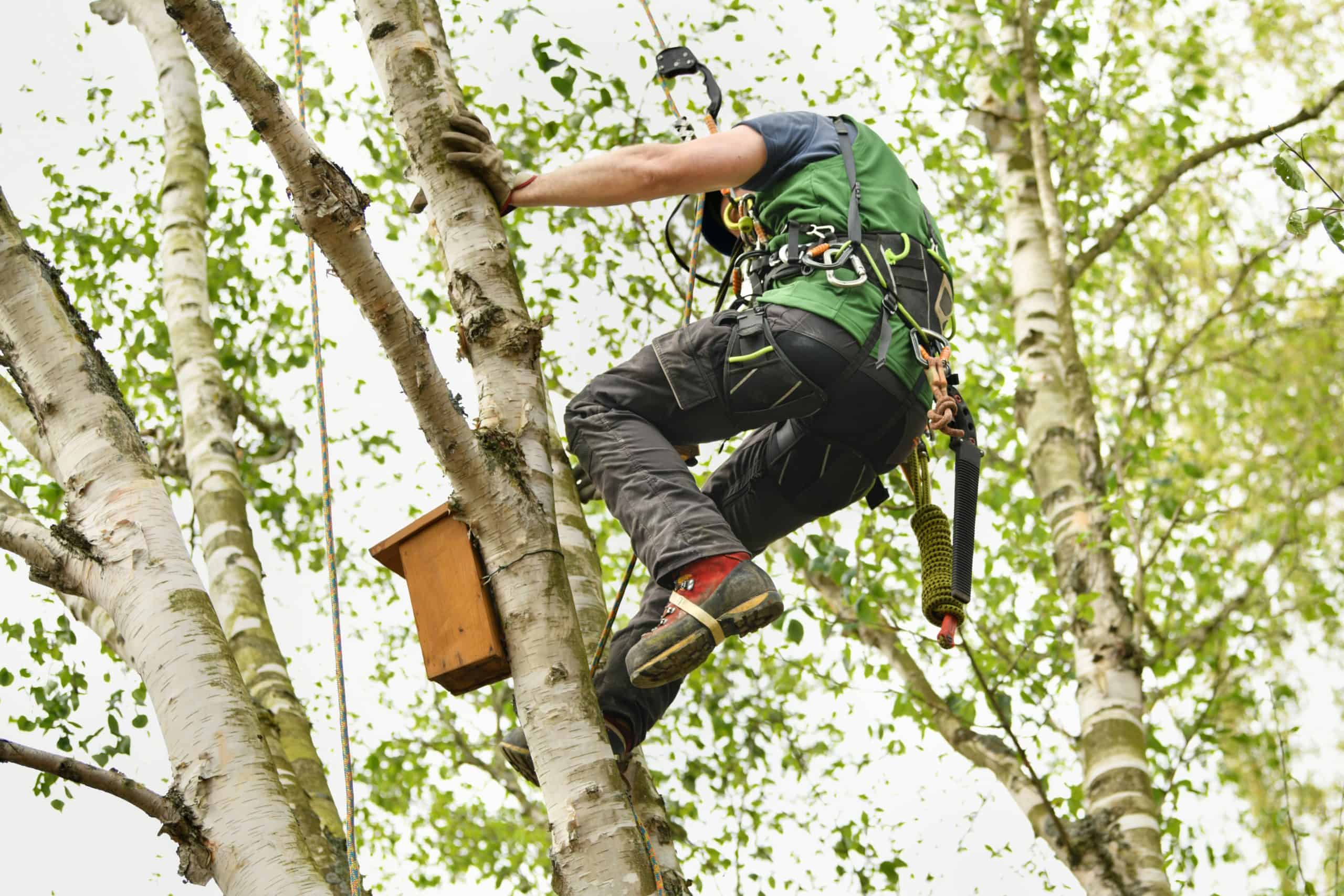
Once you’re ready to move forward, we show up with everything needed to do the work. Tree canopy trimming in a dense residential area like Mission means working carefully around structures, keeping debris controlled, and making cuts that are good for the tree’s long-term health — not just cuts that make it look trimmed for a season. Canopy raising, branch removal, tree shaping — whatever the job calls for, we get it done with the surrounding property in mind.
It’s also worth knowing that Mission repealed its old tree ordinance in late 2024 and is actively developing a new tree preservation policy. If you’re unsure whether a specific tree on your property is protected or what the current rules allow, a professional assessment is the right first step before anything gets cut. We can help you understand what you’re looking at and what makes sense to address now.
After the work is done, cleanup is included — every time. No piles left behind, no debris on the street, no chips scattered across the lawn. If you want to keep the wood or mulch, that’s an option. If you want it gone, it goes.
Ready to get started?
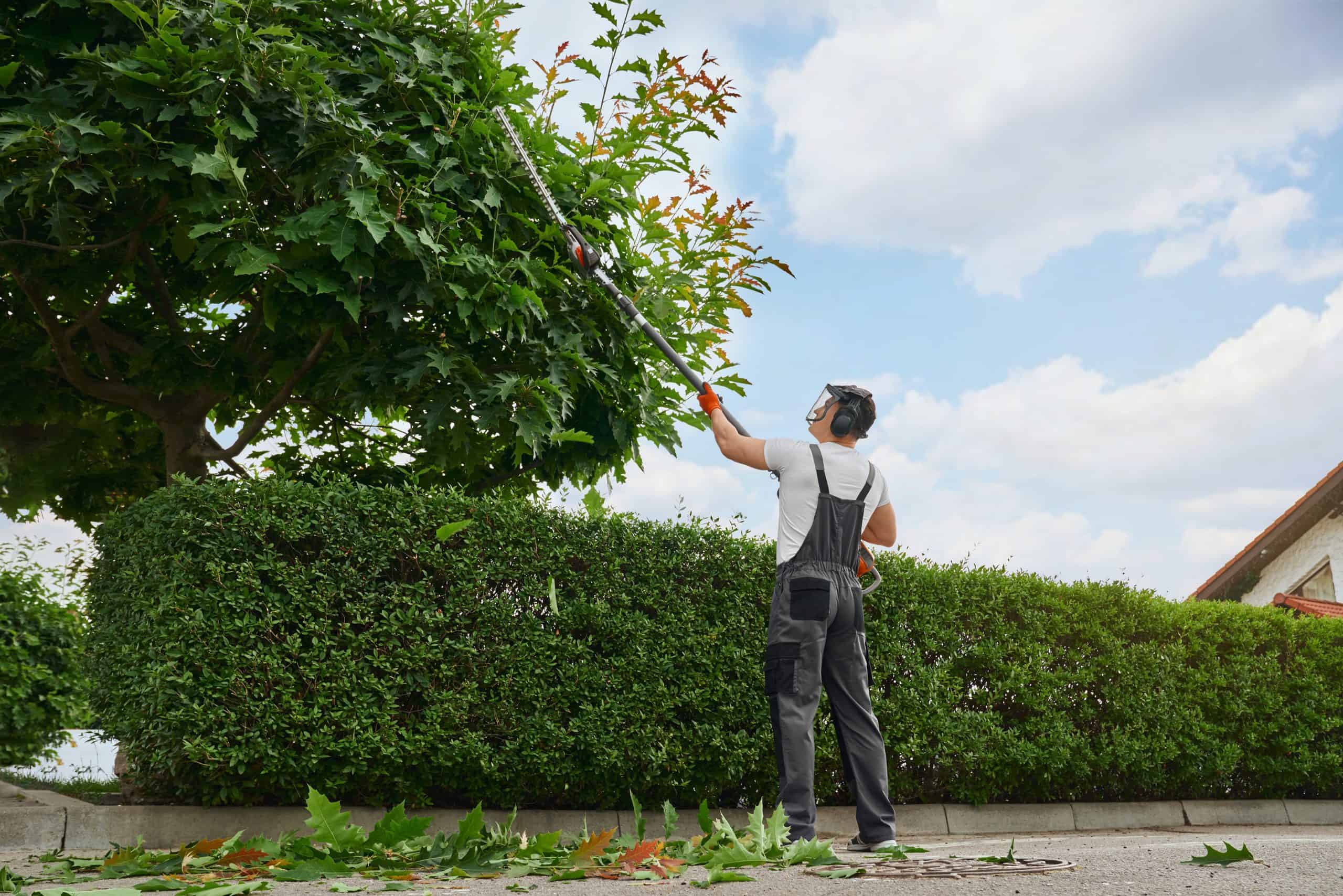
Tree trimming covers more ground than most people expect. For Mission residents dealing with older, larger trees, the work typically involves a combination of services depending on what the tree needs and where it’s growing. Canopy raising — lifting the lower canopy to clear sightlines, improve light, and create clearance from structures — is one of the most common requests on Mission’s residential blocks, especially for trees growing near Johnson Drive or along the tighter residential streets feeding off Shawnee Mission Parkway. Tree shaping addresses overgrowth that has pushed the canopy out of proportion or into neighboring space. Overgrown tree trimming brings a neglected tree back to a manageable size without damaging its structure.
Dead branch removal is part of every job where it applies. Dead branches don’t just look bad — in a city where spring thunderstorms roll through the Kansas City, KS & MO metro regularly, a dead limb on a 70-year-old oak is a liability waiting to happen. Removing it isn’t cosmetic maintenance. It’s practical risk reduction for your property and the properties around you.
The cost of tree trimming varies based on tree size, how many trees are involved, and how complex the access is. Most homeowners pay somewhere between $300 and $900 per tree nationally, with smaller trees coming in lower and large mature trees — the kind common in Mission’s mid-century neighborhoods — running higher. We provide free, same-day quotes so you know exactly what you’re looking at before any work begins. No guessing, no surprises after the fact.
Mission repealed its previous tree ordinance — Chapter 240 — in November 2024 and is currently in the process of developing a new tree preservation policy. As of now, the new ordinance has not been fully adopted, so the specific rules around protected trees and removal requirements are still being finalized. What we do know from the draft direction is that the new ordinance will identify which trees are protected and outline the process for removal, with exceptions for dead, diseased, or structurally dangerous trees.
If you’re planning to trim or remove a tree on your property, the safest move right now is to get a professional assessment before anything gets cut. A trained eye can tell you whether a tree is in a condition that would likely qualify as exempt — dead, dying, or posing a structural risk — and can document what they find. Neighboring cities like Fairway and Prairie Village already have ordinances in place, and Mission is following that same regional trend. Getting ahead of it with a proper evaluation now is smarter than dealing with a compliance issue later.
For most mature trees, professional trimming every three to five years is a reasonable baseline. Younger trees that are still establishing their structure may benefit from attention every two to three years. The more useful question isn’t about a schedule — it’s whether your specific trees are showing signs that they need attention now.
In Mission, where a significant portion of the residential tree canopy consists of trees that have been growing for 60 to 90 years, the answer often isn’t about a calendar. It’s about what the tree looks like today. Dead branches, crowded canopy, limbs growing into power lines or over rooflines, crossing branches rubbing against each other — these are the signs that something needs to happen. Kansas City, KS & MO’s spring storm season also accelerates the timeline for trees that are already structurally compromised. A branch that might hold up for another year under normal conditions can become a problem fast when a spring storm rolls through.
Canopy raising means removing the lower branches of a tree to lift the bottom of the canopy higher off the ground — or off whatever is below it. The goal is to create clearance: from a roofline, a fence, a driveway, a sidewalk, or a sightline. It’s one of the most practical trimming techniques for urban residential settings, and it’s especially relevant in Mission given how tightly the housing stock sits together.
In a city where lots are compact and trees have been growing for decades, you’ll often find canopies that have spread low and wide over the years, gradually encroaching on the space below them. Along residential streets and near the Johnson Drive and Roe Avenue corridors, trees that once had plenty of clearance may now be brushing rooflines, blocking light, or creating hazards for pedestrians and vehicles. Canopy raising addresses all of that without removing the tree or dramatically altering its character. It’s also one of the better options for improving airflow through the canopy, which reduces moisture buildup and lowers the risk of fungal disease — a relevant concern for older trees in a humid Kansas City, KS & MO summer.
Trimming and pruning are related but they’re not the same thing, and the distinction matters when you’re deciding what your tree actually needs. Trimming is primarily about controlling size and shape — cutting back overgrowth, clearing branches from structures, keeping the canopy within bounds. It’s the work you do when a tree has gotten too big, too wide, or too close to something it shouldn’t be touching.
Pruning is more focused on the tree’s health and internal structure. It involves removing dead, diseased, or crossing branches to improve airflow, reduce disease pressure, and help the tree develop a stronger framework over time. A properly pruned tree is less likely to develop weak branch unions that fail under load — which matters a lot for the large, older trees common in Mission’s mid-century neighborhoods. In practice, most professional jobs involve some combination of both. When you call for a quote, we’ll look at the tree and tell you what it actually needs — not just what it looks like it needs from the street.
For small, low-hanging branches on a young tree, a homeowner with the right tools can manage basic trimming safely. But for anything involving height, size, or proximity to structures — which describes most of the tree work that comes up in Mission — the risk of doing it yourself goes up significantly. Falls from trees and ladders are among the most common causes of serious injury in home maintenance, and that’s before you factor in the complexity of making the right cuts on a large, mature tree.
In Mission specifically, the density of the residential grid means that most significant trimming jobs involve working near a fence, a roofline, a neighboring structure, or overhead utility lines. That’s not the environment for improvised DIY work. Improper cuts can cause lasting damage to the tree — removing too much at once, cutting in the wrong place, or trimming at the wrong time of year can all compromise a tree’s health and structural integrity. A professional crew brings the right equipment, the right technique, and full insurance coverage in case anything goes wrong. Our free same-day quote makes it easy to find out what the job actually involves before you decide.
Tree trimming cost depends on a few key factors: the size of the tree, how many trees you’re having done, and how complex the access is. Nationally, most homeowners pay somewhere between $300 and $900 per tree, with smaller trees on the lower end and large mature trees — the kind that are common in Mission’s older residential neighborhoods — typically running higher. When multiple trees are involved, the per-tree cost often comes down.
For Mission properties specifically, the complexity factor is worth thinking about. Tight lots, trees near power lines, canopies that have grown over neighboring fences or structures — these conditions require more careful work than trimming a tree in a wide-open yard, and that’s reflected in how we approach the job. We offer free quotes, usually same-day, so you’re not waiting around or guessing at a number. You get a real assessment of what the job involves and what it will cost before anything is committed.