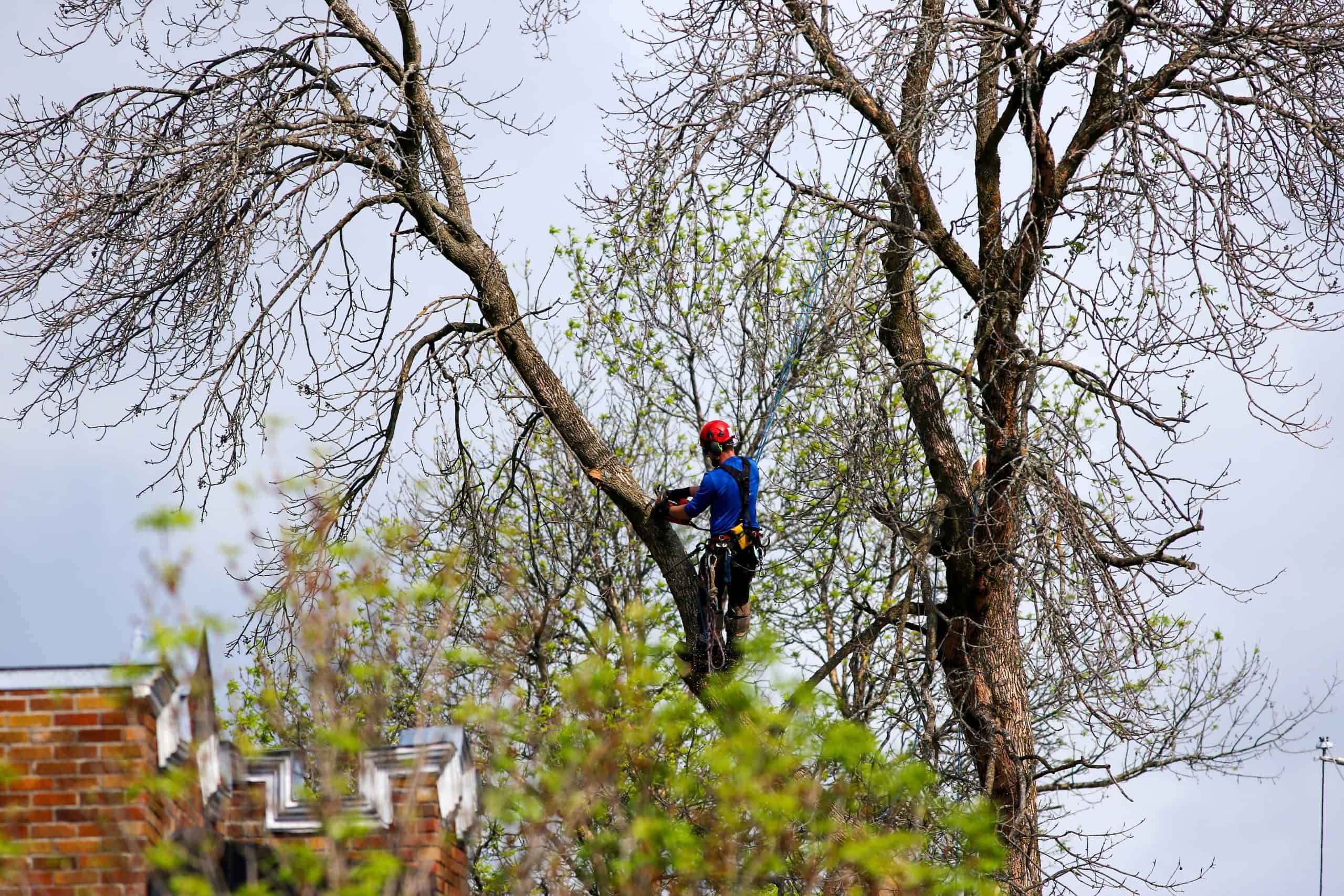
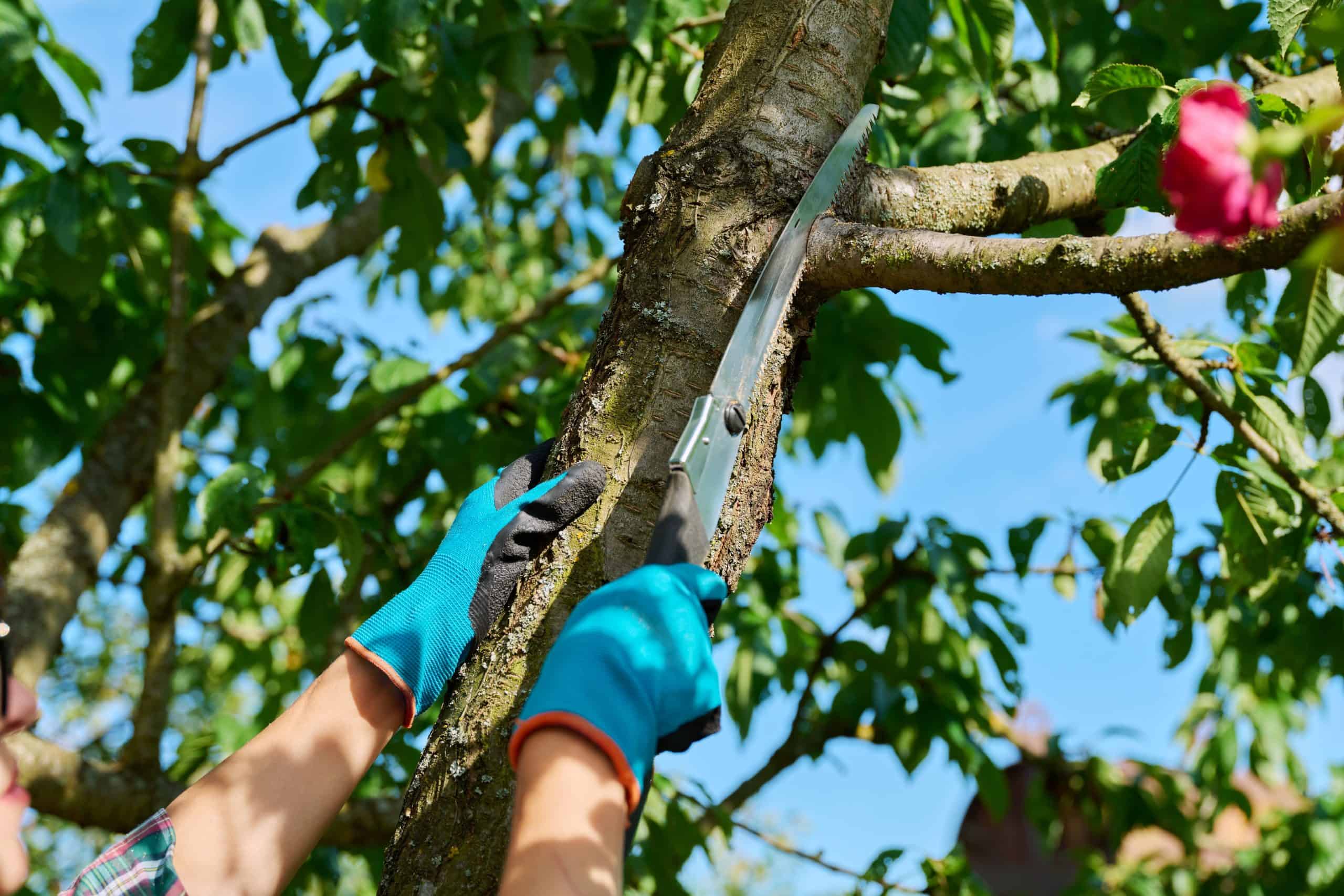
The most immediate thing you notice after a proper trim is what’s no longer there — the branch hanging over your roof, the overgrown canopy blocking light to your yard, the deadwood that’s been sitting up there through two winters already. It’s not just cleaner. It’s quieter in your head, because you’re not watching that branch every time the wind picks up.
For Kansas City Metropolitan Area, MO, KS homeowners specifically, that peace of mind carries extra weight. A lot of the housing stock in neighborhoods like Argentine, Strawberry Hill, and Rosedale dates back 60, 70, sometimes 100 years. The trees planted alongside those homes have been growing just as long. When a mature oak or elm has been left untrimmed for years, it doesn’t just look overgrown — it starts to become a liability.
Branches that overhang a neighbor’s fence, a power line, or your own roofline put you in a tough spot if a spring storm rolls through and something gives way. Wyandotte County has also been dealing with the emerald ash borer since 2012 — the first county in Kansas to confirm it. If you have ash trees on your property and haven’t had them assessed, you may already be looking at dead or dying wood that’s become structurally unpredictable. Getting eyes on those trees now, before the next storm season, is the kind of decision that saves you a much bigger phone call later.
We’re based right here in the Kansas City Metropolitan Area, MO area — not a regional franchise, not a company routing calls through a national dispatch center. Our crew has been working across the Kansas City Metropolitan Area, MO metro for over 10 years, and Kansas City Metropolitan Area, MO, KS is a primary part of that territory. When we say we know the area, we mean we’ve worked in it, repeatedly, on properties just like yours.
That matters more than it sounds. The trees in Kansas City Metropolitan Area, MO, KS’s older neighborhoods don’t behave the same way as trees in a newer subdivision in Johnson County. The lots are smaller, the canopy is denser, and many of these trees have been through decades of Midwest ice storms, Turkey Creek flooding cycles, and the kind of deferred maintenance that builds up when professional trimming keeps getting pushed to next year. We understand that context.
We are fully licensed and insured, hold a 4.9-star rating across more than 40 verified reviews, and have safely managed over 1,200 trees with a 100% safety record. Quality Business Awards recognized us in 2024 among the top 1% of tree service companies in the country.
It starts with a free quote, and most of the time that quote happens the same day you reach out. Someone comes out to your property, looks at the trees in person, and gives you a real number — not a range pulled from thin air over the phone. You’ll know what the job costs before anyone picks up a tool.
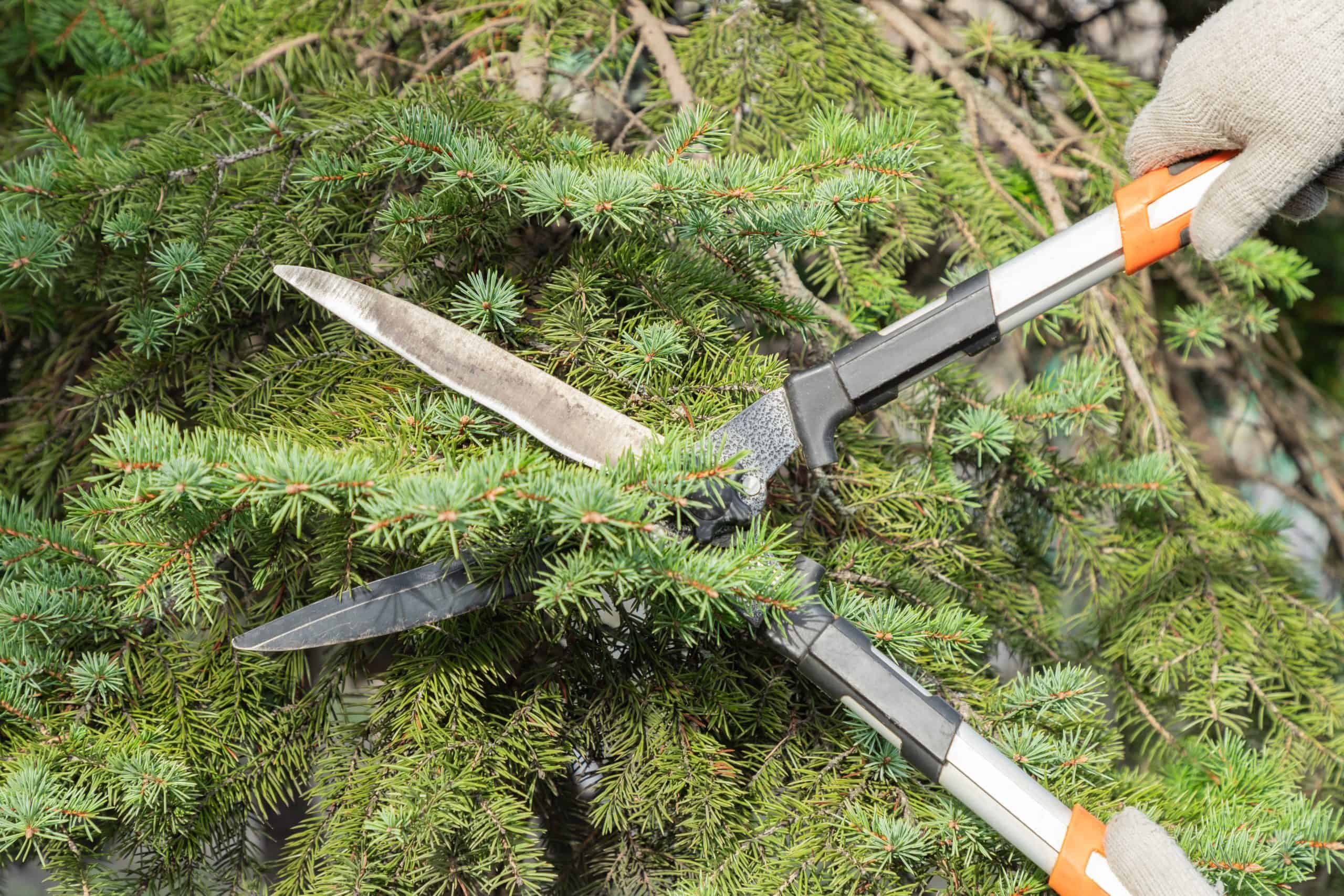
Once you’re ready to move forward, we arrive with everything needed to do the job right. For tree branch trimming and canopy work, that means assessing each tree’s structure before making a single cut — identifying dead limbs, crossing branches, weight imbalances, and anything that’s grown too close to your home, fence, or utility lines.
In Kansas City Metropolitan Area, MO, KS, where I-70 and I-635 corridor properties often have trees dealing with years of road salt exposure and compacted soil stress, that kind of structural read matters before you start cutting. The actual trimming work — whether that’s canopy raising to clear your roofline, shaping an overgrown tree that’s gotten out of hand, or removing dead ash branches from an EAB-affected tree — gets done with the neighboring property in mind, not just yours.
When it’s finished, we handle full cleanup. Every branch, every chip, every piece of debris gets cleared. You can ask to keep the wood or mulch if you want it — otherwise, it’s gone. The yard is left the way you’d want to find it.
Ready to get started?
Tree trimming covers more ground than most people expect. At its core, it’s about removing what doesn’t belong — dead branches, crossing limbs, overgrowth that’s pushing into structures or neighboring lots — and shaping what remains so the tree stays healthy and structurally sound. We handle the full range: tree branch trimming, tree shaping, canopy raising, overgrown tree trimming, and tree canopy trimming across residential properties throughout Kansas City Metropolitan Area, MO, KS.
For homeowners in Wyandotte County, a few things are worth knowing. If you’re dealing with an ash tree that’s been affected by the emerald ash borer, removal of dead or dying branches requires care — not just because of the structural hazard, but because Wyandotte County’s active EAB quarantine regulates how ash wood and debris can be moved. A local crew that knows those protocols handles that correctly. A crew from outside the area may not.
Pricing varies based on tree size, number of trees, and how accessible they are on your property. We don’t publish flat rates because no two jobs are identical — but quotes are always free, always given in person after a proper look, and there’s no pressure attached. Most quotes are turned around the same day. Full cleanup is included on every job, no exceptions. If you want to keep the wood or mulch, just say so. If not, it’s hauled away and your yard is left clean.
Pricing depends on the size of the tree, how many trees you need trimmed, and how accessible they are on your property. Nationally, most homeowners pay somewhere between $300 and $900 per tree, with smaller trees on the lower end and large, mature trees — the kind that are common in Kansas City Metropolitan Area, MO, KS’s older neighborhoods — landing higher in that range. Trees near structures, fences, or power lines also take more time and care, which affects the final number.
The most honest answer is that you won’t know your exact cost until someone looks at your trees in person. We offer free, same-day quotes — an actual crew member comes out, assesses the trees, and gives you a real price before any work starts. There’s no obligation attached to the quote, and there are no hidden fees added after the job. What you’re quoted is what you pay.
The most obvious signs are visible from the ground: dead or hanging branches, limbs that have grown over your roofline or fence, a canopy that’s gotten so dense it’s blocking sunlight to your yard, or branches rubbing against each other. Any of those are worth addressing sooner rather than later, especially heading into Kansas City Metropolitan Area, MO’s spring storm season when straight-line winds and severe thunderstorms put stress on everything that’s already weakened.
There are also less obvious signs that matter just as much. If you have ash trees on your property in Wyandotte County, watch for thinning or dying upper canopy, S-shaped galleries under the bark, or D-shaped exit holes — all signs of emerald ash borer damage. EAB-killed ash trees deteriorate quickly and can become structurally dangerous within a couple of seasons. A professional assessment catches these things before they become an emergency rather than after.
They’re related but not the same thing. Trimming is primarily about controlling size, shape, and clearance — cutting back overgrowth, raising the canopy to clear a structure or sightline, or shaping a tree that’s gotten unruly. Pruning is more targeted toward the tree’s health and structure — removing dead, diseased, or crossing branches that are creating problems inside the canopy, even if they’re not visually obvious from the outside.
In practice, a good crew does both at the same time. When we come out to do tree trimming in Kansas City Metropolitan Area, MO, KS, we’re not just cutting to a shape — we’re looking at what’s going on structurally and addressing it. For the mature trees common in Kansas City Metropolitan Area, MO, KS’s older neighborhoods, that combination matters. A tree that’s been growing for 50 years has a lot going on inside the canopy that a purely cosmetic trim would miss.
For most standard residential tree trimming on your own property, you don’t need a permit in Kansas City Metropolitan Area, MO, KS. The Unified Government of Wyandotte County and Kansas City Metropolitan Area, MO, KS administers tree-related codes for the entire city-county area, and routine maintenance trimming on private property generally falls outside the permit requirement.
There are situations where it gets more complicated. If a tree is in the right-of-way, near utility lines, or if removal is involved rather than just trimming, the rules can shift. Storm-damaged trees are generally handled as emergency situations and don’t require a standard permit process. And if you’re dealing with ash trees affected by the emerald ash borer, Wyandotte County’s active EAB quarantine affects how the wood and debris can be transported — which is a protocol issue, not a permit issue, but one that a local crew needs to handle correctly. If there’s any question about your specific situation, we can walk you through it during the free on-site quote.
Late winter to early spring — while trees are still dormant — is generally the best window for most species. The reasoning is straightforward: cuts made during dormancy cause less stress to the tree, there’s less risk of attracting insects or disease through fresh wounds, and with the leaves down you can actually see the structure you’re working with. For Kansas City Metropolitan Area, MO, KS homeowners, this window also lines up well with getting ahead of spring storm season, which brings the severe thunderstorms and straight-line winds that put the most pressure on overgrown or weakened trees.
That said, timing isn’t always optional. If you have a dead branch hanging over your roof, a storm-damaged limb, or an ash tree that’s been compromised by emerald ash borer, waiting for the ideal seasonal window doesn’t make sense. Those situations call for prompt attention regardless of the calendar. Fall is also a reasonable secondary window for most species — after leaf drop, you can see the canopy clearly again and address anything that built up over the summer.
For small, low branches on young trees, DIY trimming is manageable. Once you’re working above 10 to 15 feet, or dealing with branches near your home, a fence, a power line, or a neighboring property, the risk profile changes significantly. Falls from trees are one of the more common causes of serious injury in home maintenance, and that’s before you factor in the risk of a large limb coming down in the wrong direction.
In Kansas City Metropolitan Area, MO, KS, the trees most homeowners are dealing with aren’t young ornamentals — they’re large, established canopy trees that have been growing on tight urban lots for decades. Argentine, Strawberry Hill, Rosedale — these neighborhoods have mature trees in close quarters with older homes and neighboring properties. Getting the drop zone wrong on a large limb in that environment isn’t just a property damage risk, it’s a liability issue. Under Kansas City Metropolitan Area, MO-area property law, a homeowner whose tree shows visible hazards can be held responsible for storm damage to a neighboring property if that tree fails. A professional crew with a 100% safety record and full insurance coverage handles that risk correctly. The free same-day quote makes it easy to find out what professional service actually costs before deciding either way.
Local Resources
Other Services we provide in Kansas City Metropolitan Area, MO