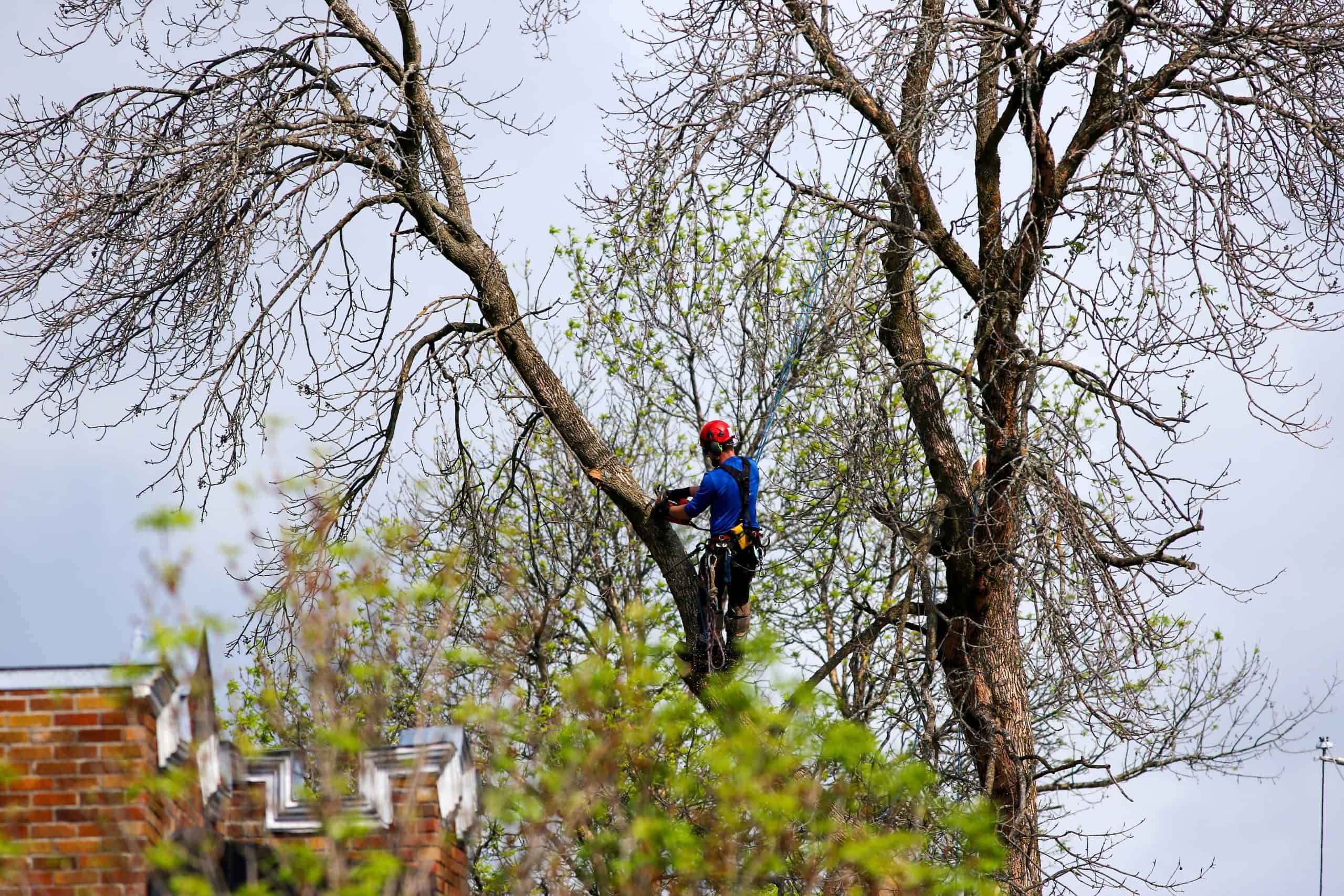
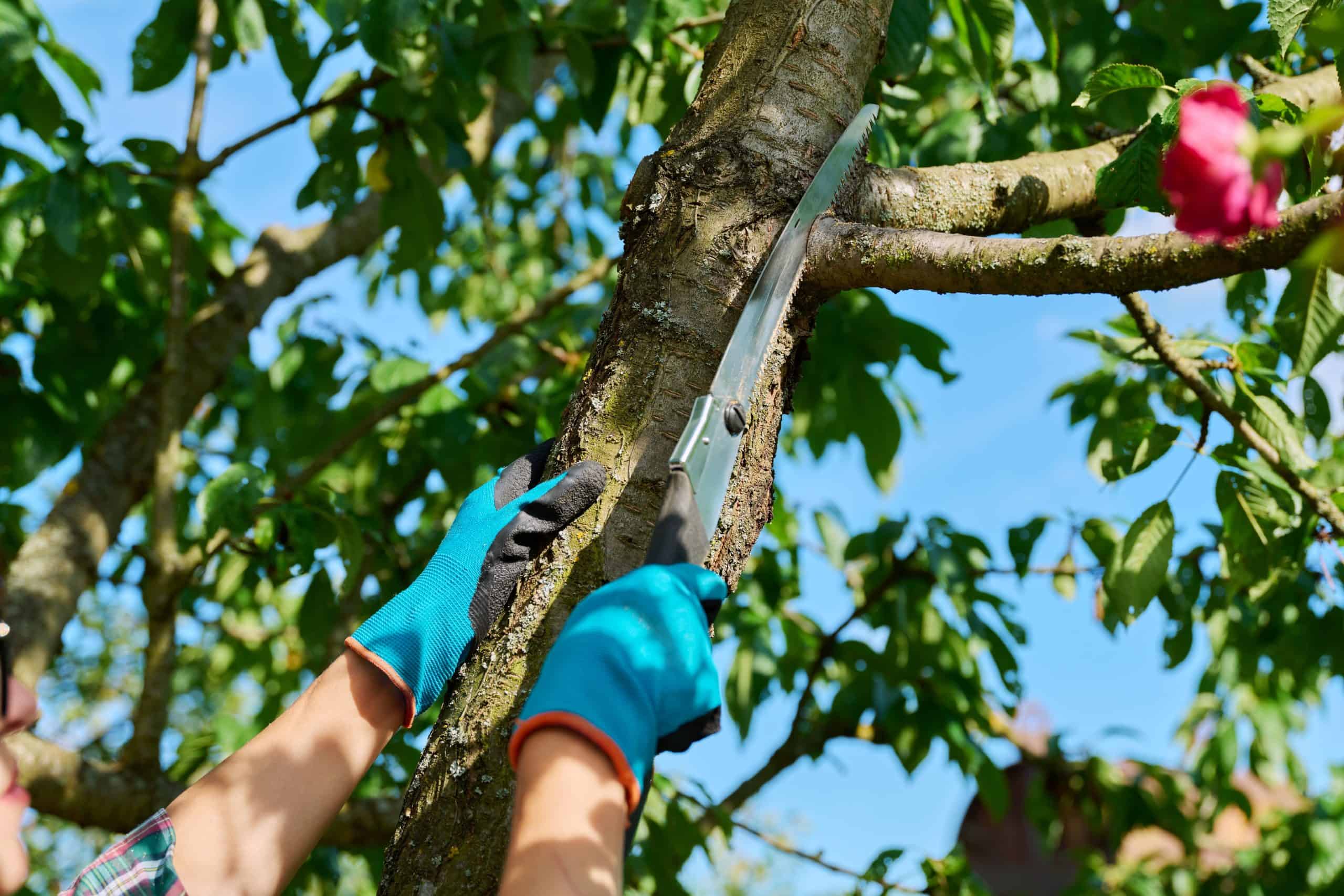
Most of Gladstone’s residential neighborhoods were built in the 1950s and 1960s. The trees that went in the ground back then — oaks, maples, hickories, elms — have had decades to grow into serious, established specimens. That’s part of what gives neighborhoods like Englewood, Northhaven, and Stratford Park their character. But a 60-year-old oak with a canopy spreading over your roofline isn’t just beautiful. It’s a liability if the deadwood and crossing limbs aren’t managed.
After a proper trim, that tree is safer, healthier, and a lot less likely to cost you thousands in storm damage. Gladstone sits squarely in Tornado Alley — Clay County gets named in severe thunderstorm warnings regularly, with documented 60 mph wind gusts and explicit warnings about tree damage. A heavy, unchecked canopy in that kind of weather is a different risk than an overgrown shrub. Reducing that canopy load before storm season is one of the most practical things you can do for a home you’ve invested in.
Beyond the storm risk, there’s the city’s own code enforcement to think about. Gladstone lists dead trees as a nuisance violation — meaning if you’ve got one and don’t address it, the city can step in and bill you for it. Getting ahead of that with a professional trim and assessment isn’t just smart maintenance. It keeps you in control of the timeline and the cost.
We’re based in Kansas City, KS & MO — which means Gladstone is essentially next door. Over 10+ years, we’ve worked with the same species you’ll find in residential yards throughout Clay County: the oaks, maples, hickories, and walnuts that make up the canopy in neighborhoods like Brooktree, Linden, and Oakwood. These are the same species that fill the Maple Woods Natural Area right here in Gladstone — a 39-acre old-growth forest that’s a National Natural Landmark. We know how these trees grow, how they respond to trimming, and what the Kansas City, KS & MO storm season does to them year after year.
We’re fully licensed and insured, carry a 4.9-star rating across 40+ verified reviews, and were recognized in 2024 by Quality Business Awards as a top 1% tree service in Kansas City, KS & MO. The work speaks for itself — but so does the record. No accidents, no property damage, no debris left behind. That’s not a promise, it’s a pattern.
It starts with a free on-site quote, usually the same day you reach out. Someone comes to your property, walks the yard, and looks at every tree you’re concerned about — not from the street, but up close. For Gladstone homeowners, that assessment matters more than it might in a newer suburb. The trees here are older, often larger, and frequently positioned close to structures, fences, or neighboring lots. A phone estimate wouldn’t tell you much. An in-person look tells you everything.
Once the quote is agreed on, we get to work. For most of the dominant species in this area — oaks, maples, hickories — late winter to early spring is the ideal trimming window. Trimming during dormancy reduces the risk of disease transmission and stress to the tree. That timing also matters specifically for oaks, which are susceptible to oak wilt when cuts are made during the growing season. If you’re calling in the spring or summer because of storm damage or a code concern, we’ll factor that in and advise accordingly.
When the job is done, the property is cleaned up completely. Every branch, every chip, every piece of debris is cleared out. If you want to keep the wood or mulch, just say so. If not, it’s gone. We don’t leave until the yard looks the way it did before we showed up — or better.
Ready to get started?
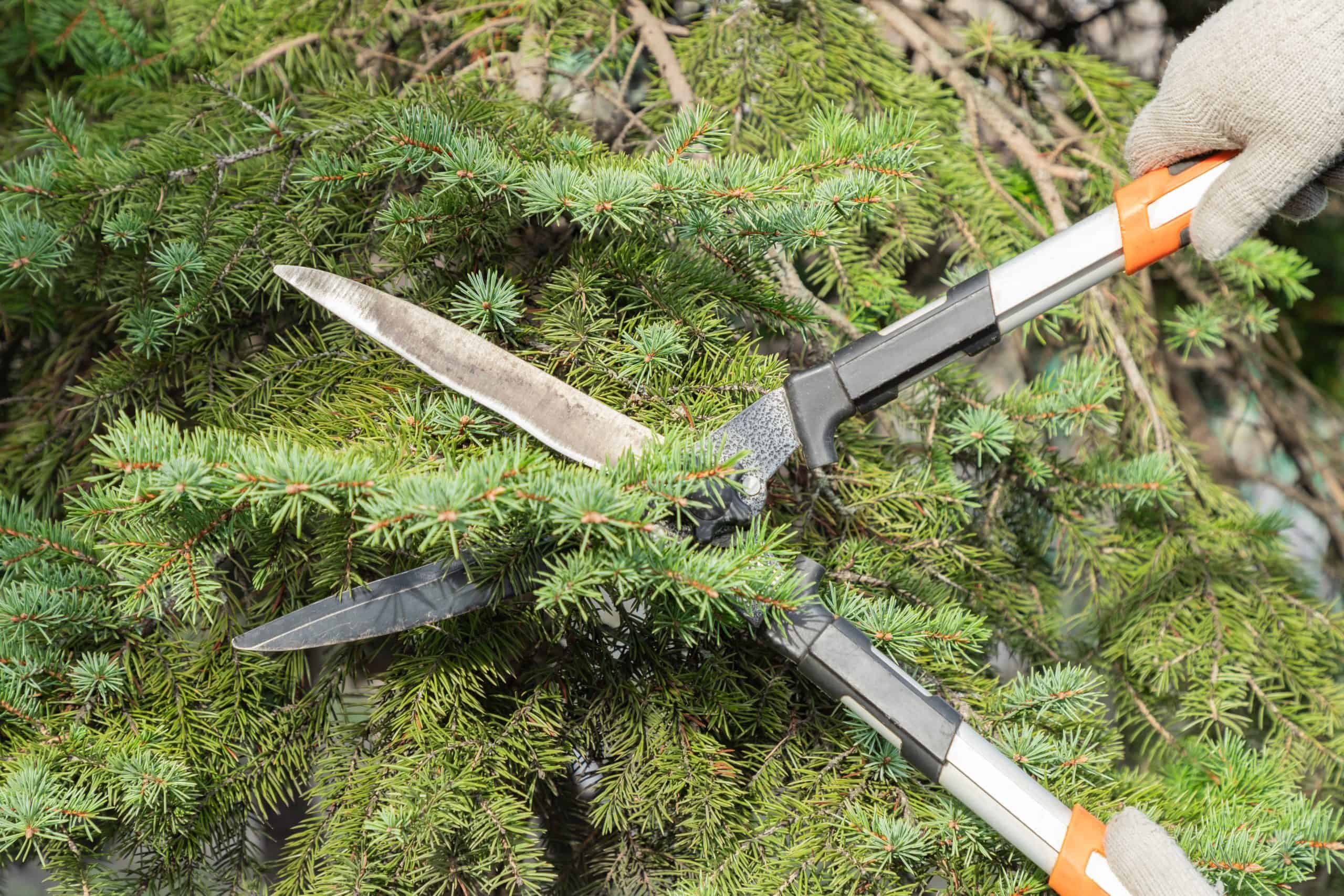
Tree trimming covers a range of work depending on what your trees actually need. Canopy raising is one of the most common requests in Gladstone — lifting the lower crown to clear sightlines, rooflines, driveways, and walkways on lots where the trees have simply outgrown the space they were planted in. Tree shaping addresses the overall structure and spread of the canopy, keeping growth balanced and reducing the weight load on individual limbs. Dead branch removal targets limbs that are already gone — the ones hanging over your house that are waiting for the next storm to make the decision for you.
For trees that are overgrown or haven’t been touched in years, the first session often involves more significant work to bring the canopy back to a manageable shape. After that, regular maintenance trims are faster and less involved. We assess each tree individually — there’s no one-size-fits-all approach when you’re dealing with 50-foot oaks and 40-foot maples on small residential lots.
All trimming work includes full cleanup. We don’t offer named service packages or tiers — the scope of work is determined by what your trees actually need, quoted honestly on-site, and delivered completely. Pricing varies based on tree size, number of trees, access, and proximity to structures. Quotes are always free and almost always same-day.
The honest answer is that it depends on the tree — specifically its size, species, how accessible it is, and how close it sits to structures or neighboring property. Nationally, most homeowners pay somewhere between $300 and $900 per tree, with smaller trees on the lower end and large, mature specimens on the higher end. In Gladstone, where a significant portion of the residential tree stock is 50 to 70 years old and often positioned close to homes, fences, and driveways, you’re frequently dealing with the kind of trees that require more careful work than a young suburban sapling would.
The best way to get a real number for your specific situation is to have someone come out and look. We offer free on-site quotes, usually the same day you reach out. There’s no pressure and no obligation — just an honest assessment of what the job involves and what it will cost. That’s a better starting point than any estimate you’ll get over the phone.
For most of the species common in Gladstone — oaks, maples, hickories, elms — late winter to early spring is the optimal window. Trimming during dormancy means the tree isn’t actively growing, which reduces stress and limits the risk of attracting insects or spreading disease through fresh cuts. For oaks specifically, this timing is more than a preference. Oak wilt is a serious fungal disease that spreads through fresh pruning wounds during the growing season, and it’s a real concern in the Kansas City, KS & MO metro area. Trimming oaks between November and March significantly reduces that risk.
That said, storm damage and code violations don’t follow a calendar. If a severe thunderstorm has left a limb hanging over your roof, or if the City of Gladstone has flagged a dead tree on your property, waiting until February isn’t the answer. We work year-round when the situation calls for it and will advise you on how to manage any timing-related considerations specific to your trees.
They’re related, but they’re not the same thing. Trimming is primarily about managing size, shape, and clearance — controlling how far the canopy extends, lifting lower branches off structures and walkways, and keeping the tree’s growth within the footprint of your property. It’s the work that makes a tree look right and fit its space. Pruning goes a step further into the tree’s health and structure — removing dead, diseased, or crossing branches, improving airflow through the canopy, and addressing structural issues before they become hazards.
In practice, most professional jobs involve both. When we come out to trim an overgrown oak in Northhaven or a large maple in Englewood, we’re not just cutting to a shape — we’re evaluating the tree’s structure, identifying deadwood, and making cuts that support the tree’s long-term health. The two things happen together, and we don’t separate them artificially.
For routine trimming of trees on your own residential property, a city permit is generally not required. However, Gladstone does have a formal tree ordinance on file, and the city actively enforces nuisance violations related to dead trees — meaning if a tree on your property is dead or poses a hazard, the city has the authority to step in and address it at your expense if you don’t. That’s worth knowing before you put off a tree you’ve been meaning to deal with.
If your tree is near a utility line, the situation gets more specific. Work within 10 feet of electrical conductors legally requires a line-clearance certified arborist, regardless of what city you’re in. For anything involving power lines, we’ll assess the situation and advise you on the right path forward. When in doubt about permit requirements for a specific job, it’s always worth a quick call to Gladstone’s Community Development department to confirm before work starts.
Dead branches, crossing limbs that rub against each other, and visible cracks or splits in major limbs are clear signs that trimming is overdue. So is a canopy that’s grown into or over your roofline, gutters, or neighboring property. If you’re seeing mushroom growth at the base of the tree, significant bark damage, or a noticeable lean that wasn’t there before, those are signs the tree may need more than a trim.
For Gladstone homeowners dealing with trees that are 50 to 70 years old, an annual visual check is worth doing — especially after storm season. Large, mature trees in this age range are more susceptible to internal decay and structural failure than younger trees, and the warning signs aren’t always visible without a trained eye. A free on-site assessment from us will tell you clearly whether the tree needs trimming, removal, or just monitoring — and there’s no cost or commitment attached to finding out.
For anything above about 10 to 15 feet, or for any tree that’s close to your house, a fence, or a neighboring structure, DIY trimming carries real risk. Falls from trees are one of the leading causes of serious injury in residential maintenance, and that risk goes up significantly when you’re working with a chainsaw on a ladder near a structure. Beyond the physical danger, improper cuts — particularly “topping,” which involves cutting the main trunk or major limbs to stubs — can permanently damage a tree’s structure, invite disease, and create more hazardous regrowth over time.
In Gladstone specifically, the trees most homeowners are dealing with are large and mature. A 50-foot oak with a canopy over your roof is not a DIY project, regardless of how handy you are. The cost of hiring a professional crew is a fraction of what a single emergency room visit costs, and it’s a much smaller number than the roof repair or fence replacement that can follow a dropped limb. The free quote takes 20 minutes and tells you exactly what you’re working with — that’s a reasonable first step before deciding anything.
Other Services we provide in Gladstone