
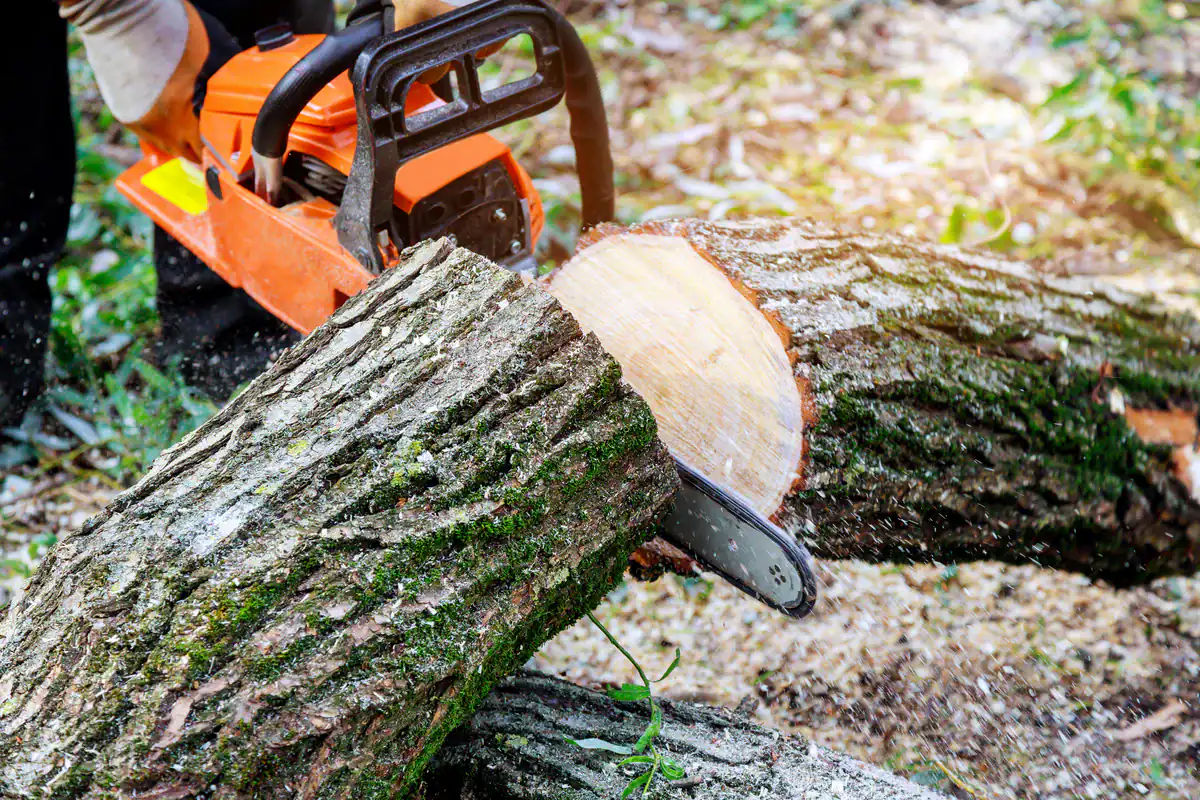
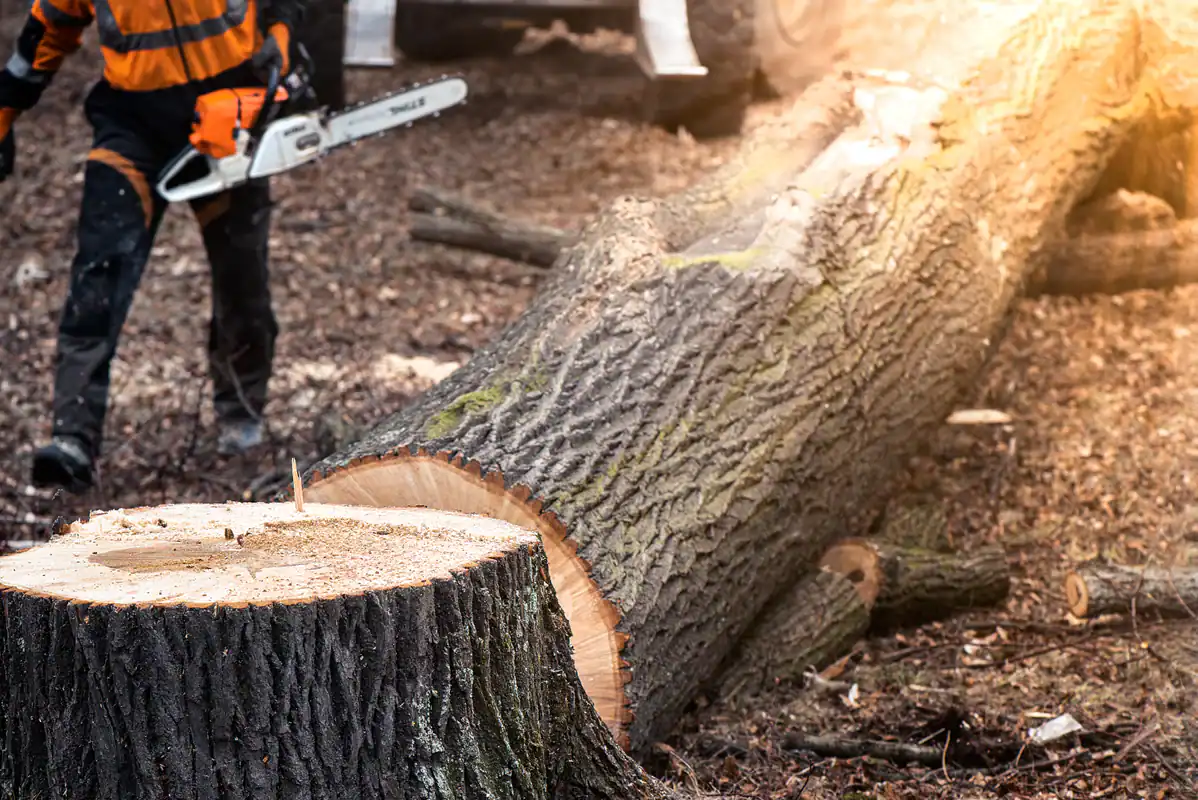
The moment a tree comes down safely and your yard is clean again, something shifts. The thing you’ve been watching from the window — leaning a little more each season, dropping limbs after every storm — is gone. Your property is safer, your neighbors aren’t at risk, and you’re not waiting for the next weather event to find out what happens.
In Fairmount, that relief hits differently. The streets along Cedar, Hardy, and Ash are lined with mature trees that have been growing for decades, some of them as old as the bungalows they stand beside. That’s part of what makes this neighborhood feel the way it does — but it also means the trees here are bigger, older, and more likely to have structural issues that aren’t obvious from the ground. A hollow core, a compromised root system from years of soil saturation, a crown that’s been through more Missouri ice storms than most people can count — these things don’t announce themselves until something gives.
Fairmount’s flooding history is real. The Fairmount Community Center on Cedar Avenue has been used as a disaster recovery site following actual flood events in this neighborhood. Repeated soil saturation weakens root systems in ways you can’t see from the surface. A tree that looks fine in April can be a serious hazard by August. Getting ahead of that — with a free, honest assessment and a crew that cleans up completely before they leave — is what makes the difference between a manageable job and an emergency.
We’ve been doing this work in the Kansas City, KS & MO area for over a decade. Our crew is based in Kansas City, KS & MO — close enough to Fairmount that a service call here isn’t a stretch, it’s a short drive east. We know Jackson County’s clay soil, its storm patterns, and the kind of old residential lots that define neighborhoods like Fairmount.
This isn’t a franchise or a call center dispatching strangers. It’s a tight-knit crew that treats your property like our own, carries full liability insurance and workers’ compensation coverage, and gives you a straight answer on what the tree actually needs — even if that answer means a smaller job. Reviews consistently mention fair pricing, no runaround, and a yard left cleaner than it was before we arrived.
We’ve also deployed to multi-state storm recovery operations across Missouri, Kansas, North Carolina, South Carolina, and Florida. That level of experience doesn’t come from easy jobs. It comes from years of handling large, complicated removals in tight spaces under real pressure — which is exactly the kind of work that Fairmount’s older residential blocks sometimes demand.
It starts with a free estimate. We come out, look at the tree, and tell you what you’re actually dealing with — not what generates the biggest invoice. If a trim can solve the problem, you’ll hear that. If removal is the right call, we’ll explain why and walk you through what the job involves. No pressure, no obligation.
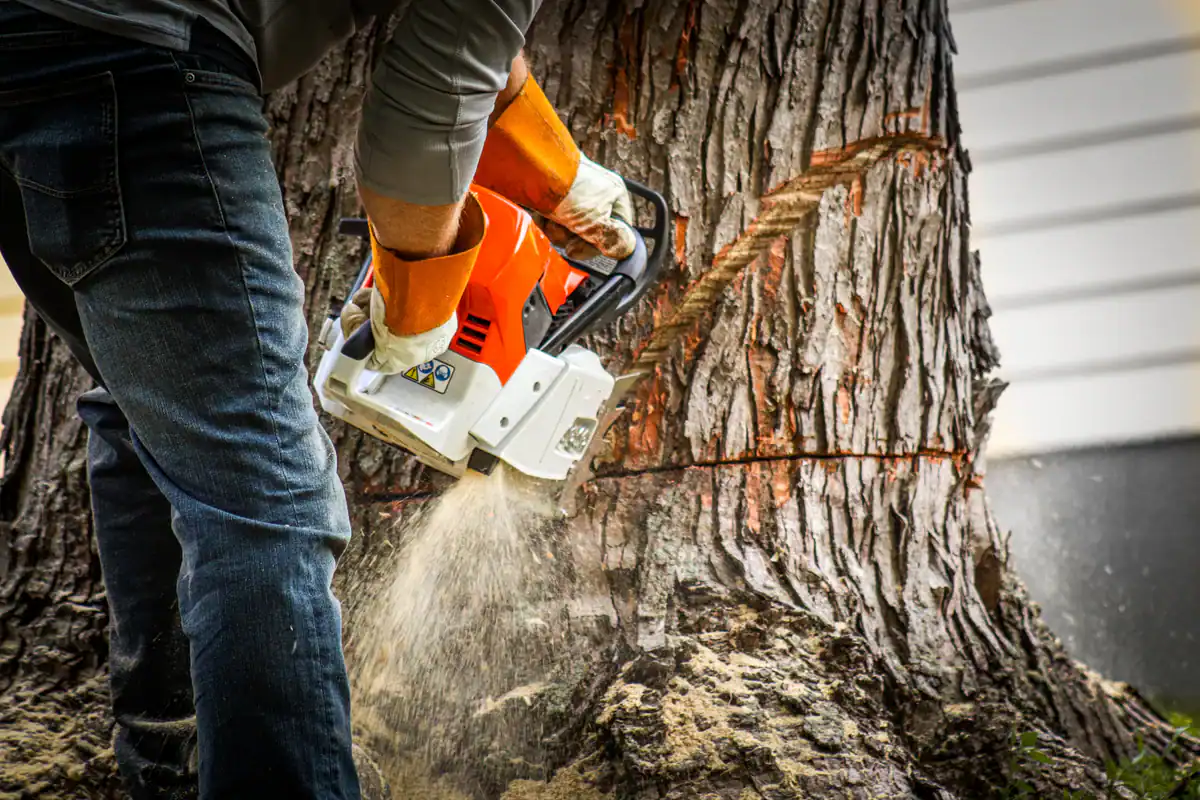
Once you move forward, we handle everything from the cut to the cleanup. For large, mature trees on Fairmount’s tight residential lots — the kind that sit close to a house, a fence, or a neighbor’s garage — the approach is methodical. Limbs come down in sections. We work around structures, not through them. Multiple reviews from customers in dense Kansas City, KS & MO neighborhoods confirm this: large trees removed safely, with no damage to adjacent property and cleanup that extended to the neighbor’s yard when debris crossed the line.
One thing worth knowing if your tree is on or near the street: Fairmount is part of the City of Independence, and street trees in the public right-of-way are city-managed. If the tree you’re concerned about sits in the parkway between the sidewalk and the curb, that removal goes through the city, not a private contractor. For trees on your own lot, no permit is required for standard residential removal under Independence’s code. We can help you understand which situation you’re in before any work begins.
When the job is done, we take everything with us — wood, debris, chips. If you want to keep the mulch or firewood, just say so in advance.
Ready to get started?
Tree removal in Fairmount covers the full scope of the job — not just the cut. We handle everything from the initial assessment through stump grinding options, brush removal, and complete debris cleanup. There are no named packages or tiers here. You get an honest evaluation of what the job requires, a fair price, and a crew that doesn’t leave until the property is clean.
For Fairmount specifically, a few things come up more often than in newer parts of the metro. Ash trees throughout Jackson County are at serious risk from the Emerald Ash Borer, which is confirmed in this area. An infested ash tree deteriorates quickly and becomes brittle — the kind of tree that can fall without much warning and cause real damage on a small residential lot. If you have an ash tree that hasn’t been treated or assessed recently, that’s worth a look.
Oak trees are another common scenario here, and they require careful timing — pruning oaks during the growing season (roughly April through July) carries a real risk of Oak Wilt, spread by beetles active during those months. Late winter is the better window for oak work in this area.
Large tree removal near structures — a house, a fence, a detached garage — is a regular part of what we handle. Fairmount’s bungalow lots don’t leave a lot of room for error, and that’s exactly why experience and insurance both matter. If something goes wrong with an uninsured crew on your property, the financial exposure falls on you. With us, that risk is covered.
Not every problem tree needs to come down — and an honest company will tell you that. The signs that typically point toward removal rather than trimming include a dead or dying crown, significant lean that wasn’t there before, large sections of missing bark, visible decay or fungal growth at the base, and root damage from repeated soil saturation.
In Fairmount, that last one is more common than people realize. The neighborhood has documented flooding history, and repeated soil saturation over years can compromise a tree’s root system in ways that aren’t visible from the surface. A tree that’s been through multiple flood events may look structurally sound but have roots that can no longer hold it reliably.
The best way to know for certain is a free on-site assessment. We’ll look at the tree, give you a straight answer, and tell you whether removal is genuinely necessary or whether a strategic trim would address the issue. If trimming is the right call, that’s what you’ll hear — not a push toward a larger job.
It depends on the circumstances, and the details matter more than most people expect. If a healthy tree falls on your home due to a storm — something sudden and unforeseeable — your homeowners insurance will typically cover the structural damage and may cover a portion of the removal cost, often in the range of $500 to $1,000 toward the removal itself.
But if the tree was already dead, visibly diseased, or showing clear signs of decline before it fell, your insurer may deny the claim on the basis of negligence. The reasoning is straightforward: if you knew or should have known the tree was a risk, and you didn’t act, the damage becomes your responsibility.
This is a real consideration in Fairmount, where a significant portion of the housing stock — and the trees beside it — dates back to the 1930s or earlier. An old, declining tree that falls on a home worth $105,000 to $142,000 can cause structural damage that rivals or exceeds the home’s value. Proactive removal, even at a cost of several hundred to over a thousand dollars depending on the job, is almost always the financially smarter move. A free estimate costs nothing and tells you exactly what you’re dealing with.
For most tree species in the Kansas City, KS & MO area, late winter — before new growth begins — is the ideal window for pruning. The tree is dormant, the structure is easier to see without leaves, and the risk of disease transmission is lower. For removal, timing is generally more flexible, though there are a few species-specific exceptions worth knowing about in this area.
Oak trees are the most important one. Pruning or wounding oaks between April and July carries a meaningful risk of Oak Wilt, a fungal disease spread by picnic beetles that are active during those months. If you have an oak on your Fairmount property that needs work, late winter or early fall is the safer window.
Ash trees are a separate concern entirely — given the Emerald Ash Borer’s confirmed presence in Jackson County, an ash tree showing decline should be assessed sooner rather than later. EAB-infested trees deteriorate quickly, and a dead ash becomes brittle and dangerous within a season or two. Emergency removal of a failed ash is harder and more expensive than planned removal of a declining one.
The time depends on the size and location of the tree. A smaller tree in an open area can be down and cleaned up in a couple of hours. A large, mature tree — the kind you’ll find on Fairmount’s older residential lots, growing close to a house or fence — typically takes a full day when done carefully and correctly.
We work in sections, bringing large limbs down in a controlled sequence rather than dropping the whole tree at once. This approach is slower, but it’s how you avoid damage to structures, fences, and neighboring properties on tight residential blocks.
Cleanup is included on every job, without exception. That means wood, limbs, brush, and chips leave with us. Nothing gets left piled at the curb or scattered across your yard. If you want to keep the firewood or use the mulch in your garden, just let us know before the job starts and we’ll set it aside. The yard you get back should look better than it did before the tree came down — that’s the standard we hold every job to.
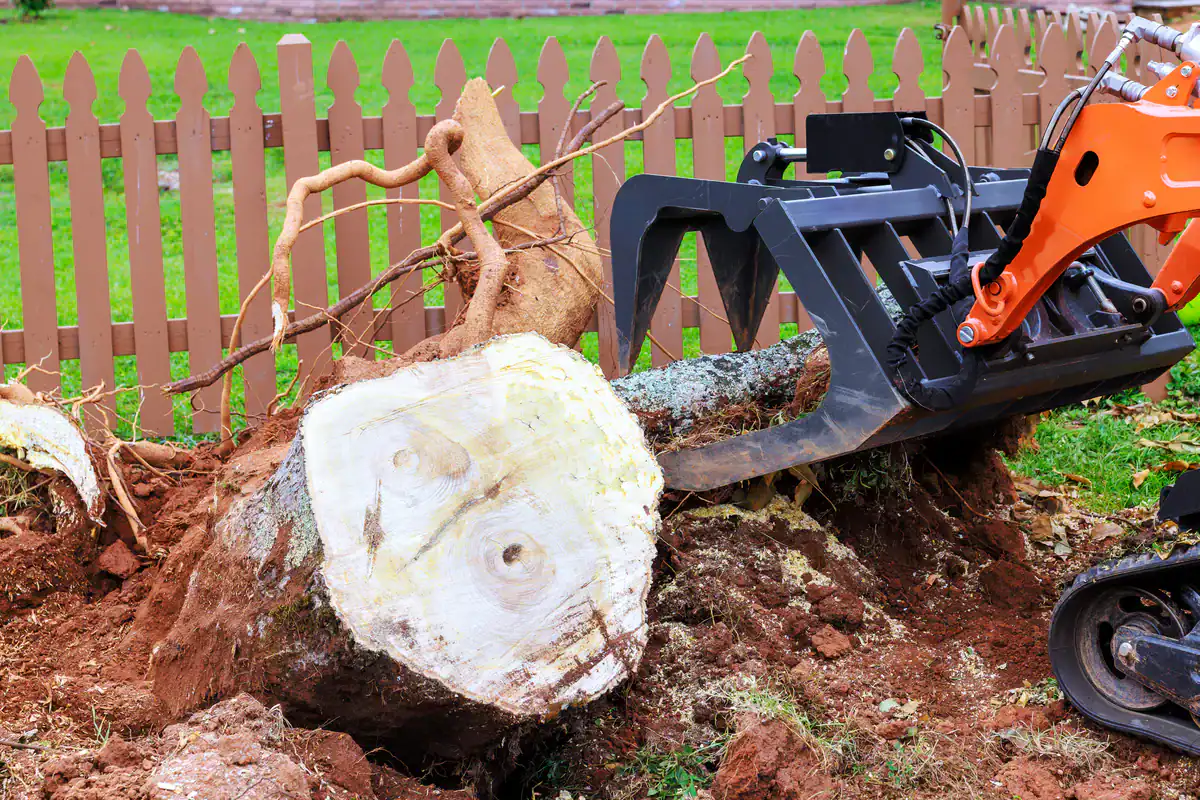
Stump removal is a separate step from tree removal, and it’s worth thinking through before the job starts. Once the tree is down, the stump and the root system remain in the ground. Left alone, a stump can take years to fully decompose, and in the meantime it becomes a tripping hazard, an obstacle for mowing, and an attractive spot for insects.
In older neighborhoods like Fairmount — where lots are smaller and homes sit close together — a leftover stump in the front or side yard is more of a nuisance than it would be on a large rural property.
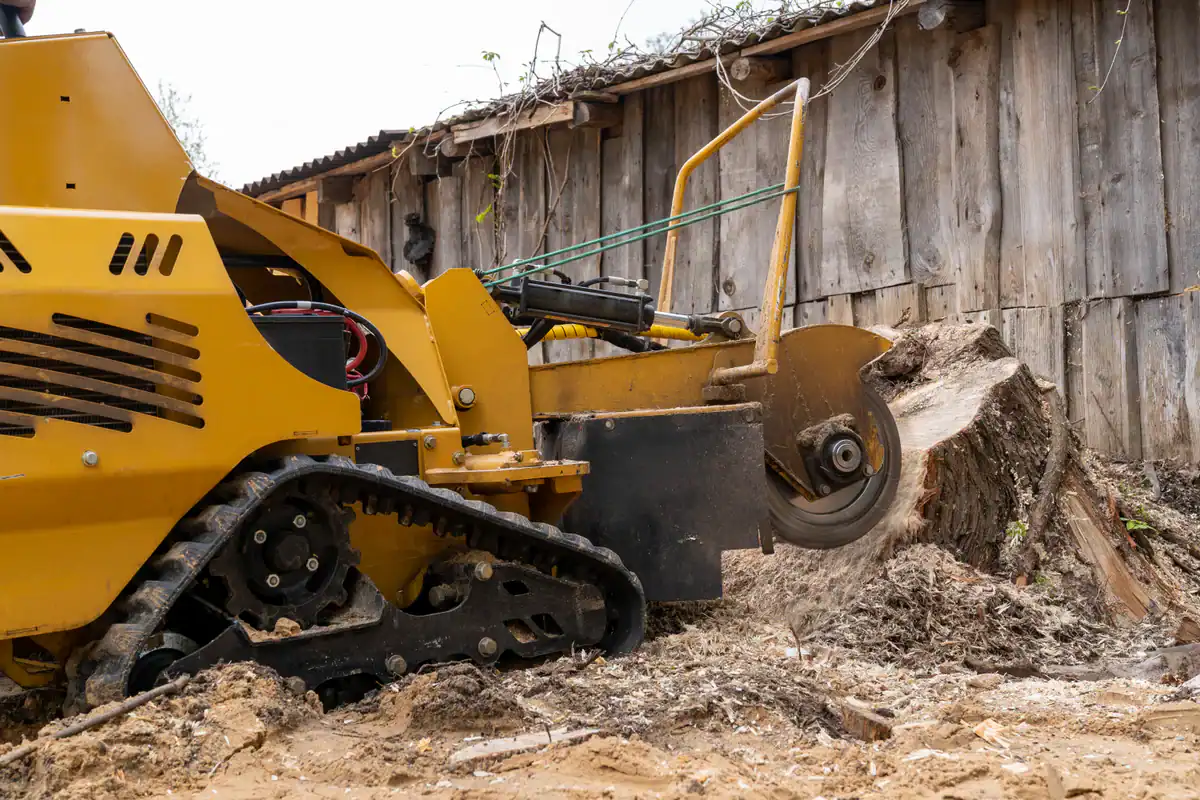
Stump grinding is the most common solution. A grinder chews the stump down several inches below ground level, leaving wood chips behind that can be raked out or used as mulch. It doesn’t remove the entire root system, but it eliminates the visible stump and allows the area to be replanted or sodded over time. If you want the area completely restored — especially if you’re planning to plant something new or improve the yard as Fairmount’s home values continue to climb — stump grinding is the cleaner finish. Ask about it when you schedule your estimate and it can be factored into the same job.
For most residential tree removals on private property in Fairmount, no permit is required. Fairmount is part of the City of Independence, and under Independence’s standard residential code, removing a tree from your own lot doesn’t typically trigger a permitting requirement.
The situation changes if the tree is in the public right-of-way — the strip between the sidewalk and the curb that runs along most Fairmount streets. Those trees are city-managed, and removing or significantly trimming one requires going through the City of Independence rather than hiring a private contractor directly.
If you’re not sure whether your tree sits on your private lot or in the right-of-way, that’s something we can help you sort out during the free estimate visit. It’s a common question in older neighborhoods like Fairmount, where the line between private property and city-managed space isn’t always obvious from the street. Getting that clarification before work begins saves time and avoids any complications with the city. For trees clearly on your own property, the process is straightforward — no permits, no waiting, just scheduling the job when it works for you.
Other Services we provide in Fairmount